Mahakaleshwar Jyotirlinga, Ujjain: The Eternal Lord of Time and One of the Holiest Shiva Shrines in India
Mahakaleshwar Jyotirlinga, located in the ancient city of Ujjain in Madhya Pradesh, is one of the most sacred and powerful spiritual destinations in India. Revered as one of the 12 Jyotirlingas of Lord Shiva, Mahakaleshwar holds a unique and exalted position in Hinduism. It is the only Jyotirlinga that is Swayambhu (self-manifested) and the only one where Lord Shiva is worshipped as Mahakal – the Lord of Time and Death.
For centuries, saints, kings, scholars, and devotees have journeyed to Ujjain seeking divine blessings, liberation from the cycle of birth and death, and protection from untimely death. The temple is not merely a place of worship—it is a profound spiritual experience where mythology, astronomy, history, and devotion merge seamlessly.
Ujjain: One of the Oldest Living Cities in the World
Ujjain, historically known as Avanti, is among the seven sacred cities (Sapta Puri) of Hinduism. It has been a center of spirituality, learning, and governance for over 2,000 years.
Ujjain’s importance is further enhanced by:
-
Its location on the banks of the Shipra River
-
Its role as the prime meridian of ancient Indian astronomy
-
Hosting the Simhastha Kumbh Mela, one of the largest religious gatherings in the world
At the heart of this ancient city stands Mahakaleshwar Jyotirlinga, radiating divine power and timeless energy.
What Is a Jyotirlinga?
A Jyotirlinga is a sacred representation of Lord Shiva, symbolizing the infinite pillar of divine light (jyoti). According to the Shiva Purana, Lord Shiva manifested himself as an endless column of light to establish his supremacy over Lord Brahma and Lord Vishnu.
There are 12 Jyotirlingas spread across India, each associated with a unique legend. Among them, Mahakaleshwar is considered exceptionally powerful because it represents Shiva as Kala (Time)—the destroyer of illusion and fear.
Why Mahakaleshwar Jyotirlinga Is Unique
Mahakaleshwar stands apart from all other Jyotirlingas due to several extraordinary features:
1. Swayambhu Jyotirlinga
The Shiva Lingam at Mahakaleshwar is self-manifested, not consecrated by humans. It is believed to draw power from within itself.
2. Dakshinamurti (South-Facing Lingam)
Mahakaleshwar is the only south-facing Jyotirlinga. In Shaivism, south-facing Shiva symbolizes death, liberation, and supreme knowledge.
3. Lord of Time (Mahakal)
Here, Shiva is worshipped as Mahakal, the one who governs time, destiny, and mortality.
Mythological Significance of Mahakaleshwar Jyotirlinga
Legend from the Shiva Purana
According to legend, Ujjain was once ruled by a devout king named Chandrasena, a passionate worshipper of Lord Shiva. The city was protected by the divine energy of Shiva himself.
When a demon named Dushana began terrorizing devotees and destroying temples, the people prayed fervently to Lord Shiva. Moved by their devotion, Shiva emerged from the earth as a blazing column of light and destroyed the demon.
After restoring peace, Shiva declared that he would reside eternally in Ujjain as Mahakal, protecting devotees forever.
Architectural Grandeur of Mahakaleshwar Temple
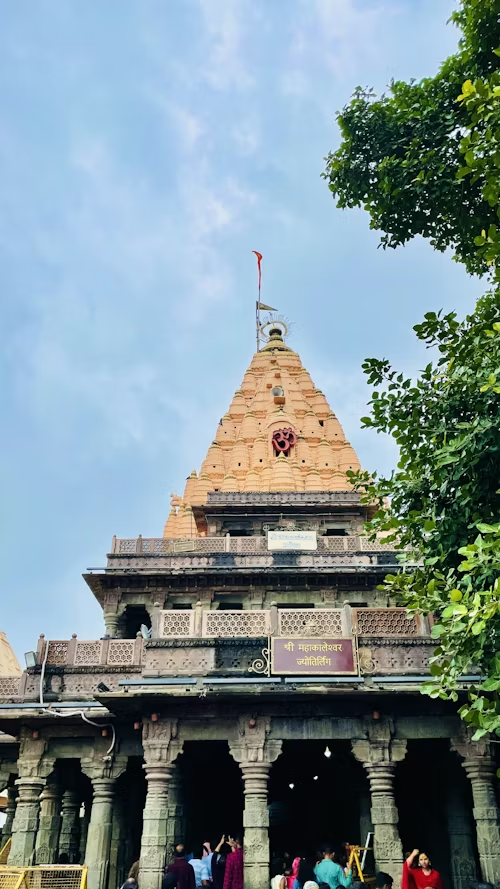
The present structure of Mahakaleshwar Temple reflects Bhumija, Chalukya, and Maratha architectural styles. Though the temple has been rebuilt several times due to invasions, its spiritual core remains untouched.
Key Architectural Features
-
Five-storeyed structure (one underground)
-
Intricately carved corridors and mandapas
-
Massive spire (shikhara)
-
Sacred sanctum housing the Jyotirlinga
The temple complex exudes a powerful spiritual aura that deeply impacts every visitor.
The Underground Sanctum: A Rare Feature
One of the most fascinating aspects of Mahakaleshwar is that the Jyotirlinga is located in an underground sanctum. This rare design enhances the mystical energy of the shrine and symbolizes Shiva’s presence beyond the material world.
Bhasma Aarti: The Most Sacred Ritual of Mahakaleshwar
The Bhasma Aarti is the most iconic and spiritually intense ritual performed at Mahakaleshwar Jyotirlinga.
What Is Bhasma Aarti?
-
Performed daily between 3:00 AM – 5:00 AM
-
The Shiva Lingam is adorned with sacred ash (bhasma)
-
Ash symbolizes death, detachment, and the ultimate truth of existence
This ritual is unique to Mahakaleshwar and is believed to grant:
-
Protection from untimely death
-
Freedom from fear
-
Spiritual awakening
Due to its popularity, advance online booking is highly recommended.
Other Important Aartis at Mahakaleshwar
-
Mahakal Aarti (Morning)
-
Bhog Aarti (Afternoon)
-
Sandhya Aarti (Evening)
-
Shayan Aarti (Night)
Each aarti reflects a different phase of Shiva’s cosmic cycle.
Other Shrines Inside the Temple Complex
1. Omkareshwar Lingam
Located above Mahakaleshwar, representing the formless aspect of Shiva.
2. Nagchandreshwar Temple
-
Opens only once a year on Nag Panchami
-
Offers a rare view of Shiva seated on a serpent
3. Ganesh, Parvati, and Kartikeya Shrines
Completing the divine family of Lord Shiva.
Spiritual Importance in Hindu Philosophy
Mahakaleshwar symbolizes:
-
Destruction of ego
-
Acceptance of mortality
-
Power over time and karma
Devotees believe that worshipping Mahakal helps overcome:
-
Fear of death
-
Planetary doshas
-
Negative energies
Mahakaleshwar and Kumbh Mela
Ujjain hosts the Simhastha Kumbh Mela every 12 years, one of the four major Kumbh Melas in India.
During this time:
-
Millions of pilgrims visit Mahakaleshwar
-
Saints and Akharas perform sacred rituals
-
The city transforms into a spiritual epicenter
Best Time to Visit Mahakaleshwar Jyotirlinga
-
October to March – Pleasant weather
-
Shravan Month (July–August) – Highly auspicious
-
Mahashivratri – Grand celebrations
Avoid peak summer afternoons due to extreme heat.
How to Reach Mahakaleshwar Temple
By Air
-
Devi Ahilya Bai Holkar Airport, Indore (55 km)
By Train
-
Ujjain Junction is well connected to major cities
By Road
-
Excellent road connectivity from Indore, Bhopal, and Ahmedabad
Temple Timings (Approximate)
-
Open: 3:00 AM – 11:00 PM
-
Bhasma Aarti: Early morning
(Timings may change during festivals)
Visitor Guidelines
-
Dress modestly
-
Mobile phones not allowed inside sanctum
-
Follow temple instructions strictly
-
Book aarti passes in advance
-
Maintain silence and sanctity
Nearby Attractions in Ujjain
-
Kal Bhairav Temple
-
Ram Ghat (Shipra River)
-
Sandipani Ashram
-
Harsiddhi Temple
Why Mahakaleshwar Jyotirlinga Is a Must-Visit
Mahakaleshwar is not just a temple—it is a spiritual force. It teaches that:
Time is eternal, ego is temporary, and devotion leads to liberation.
Every chant of “Jai Mahakal” resonates with power, surrender, and faith.
-
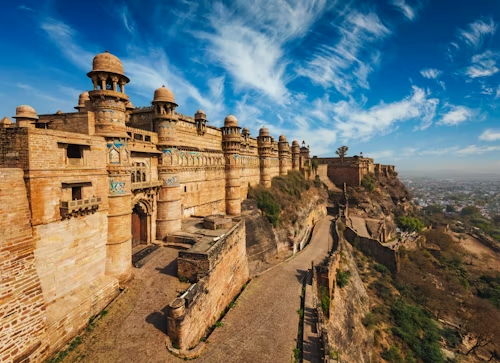
Gwalior Fort: The Majestic Crown of Central India’s History and Heritage
-
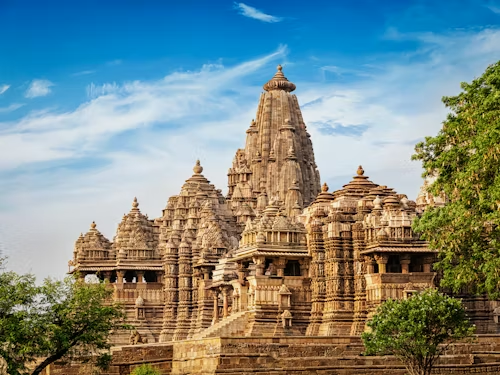
Khajuraho Temples: A Timeless UNESCO World Heritage Site of Art, Spirituality, and Sensuality
-
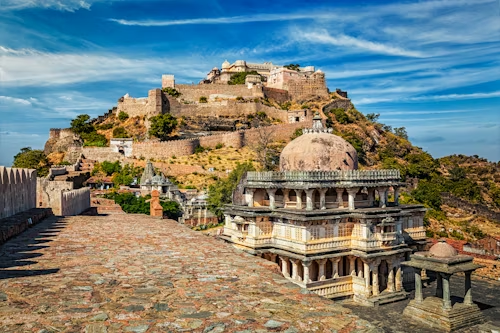
Kumbhalgarh Fort, Rajsamand: The Great Wall of India and the Invincible Pride of Mewar
-
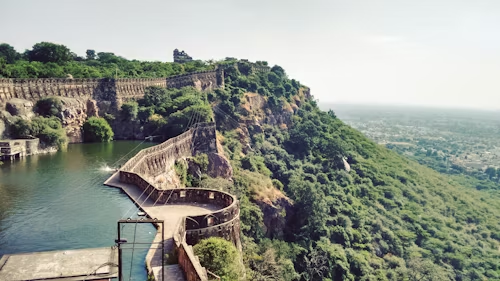
Chittorgarh Fort, Chittorgarh: The Eternal Symbol of Rajput Valor, Sacrifice, and Pride
-
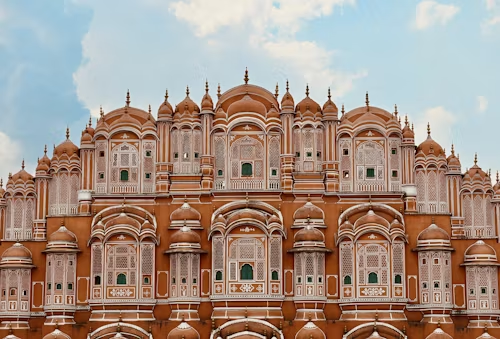
Hawa Mahal, Jaipur: The Iconic Palace of Winds and the Soul of the Pink City
-
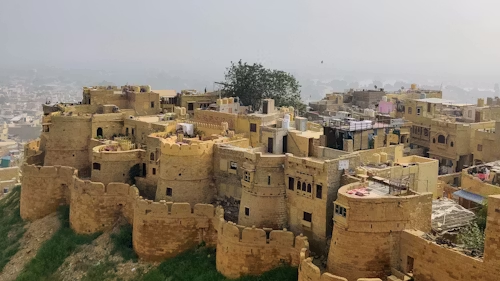
Jaisalmer Fort, Jaisalmer: The Golden Living Fort of the Thar Desert
-
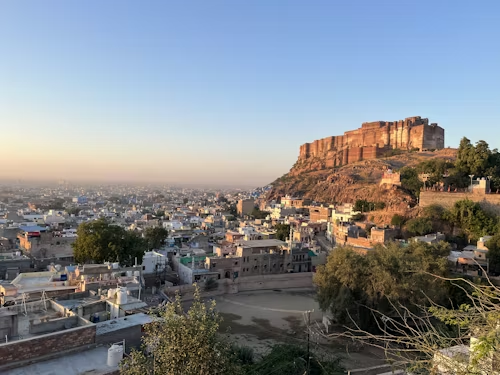
Mehrangarh Fort, Jodhpur: The Majestic Guardian of the Blue City
-
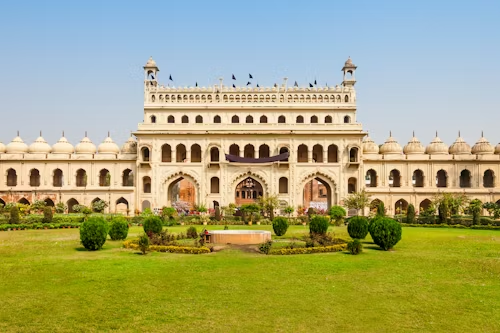
City Palace, Jaipur: The Timeless Heart of Rajasthan’s Royal Legacy
-
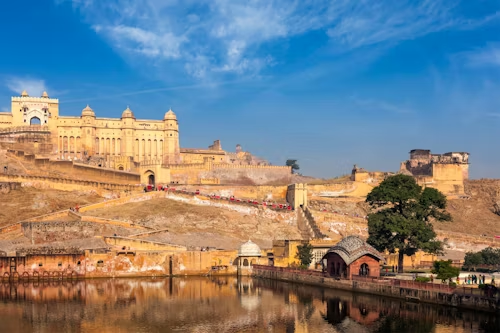
Amer Fort (Amber Palace), Jaipur: A Majestic Symbol of Rajasthan’s Royal Heritage
-
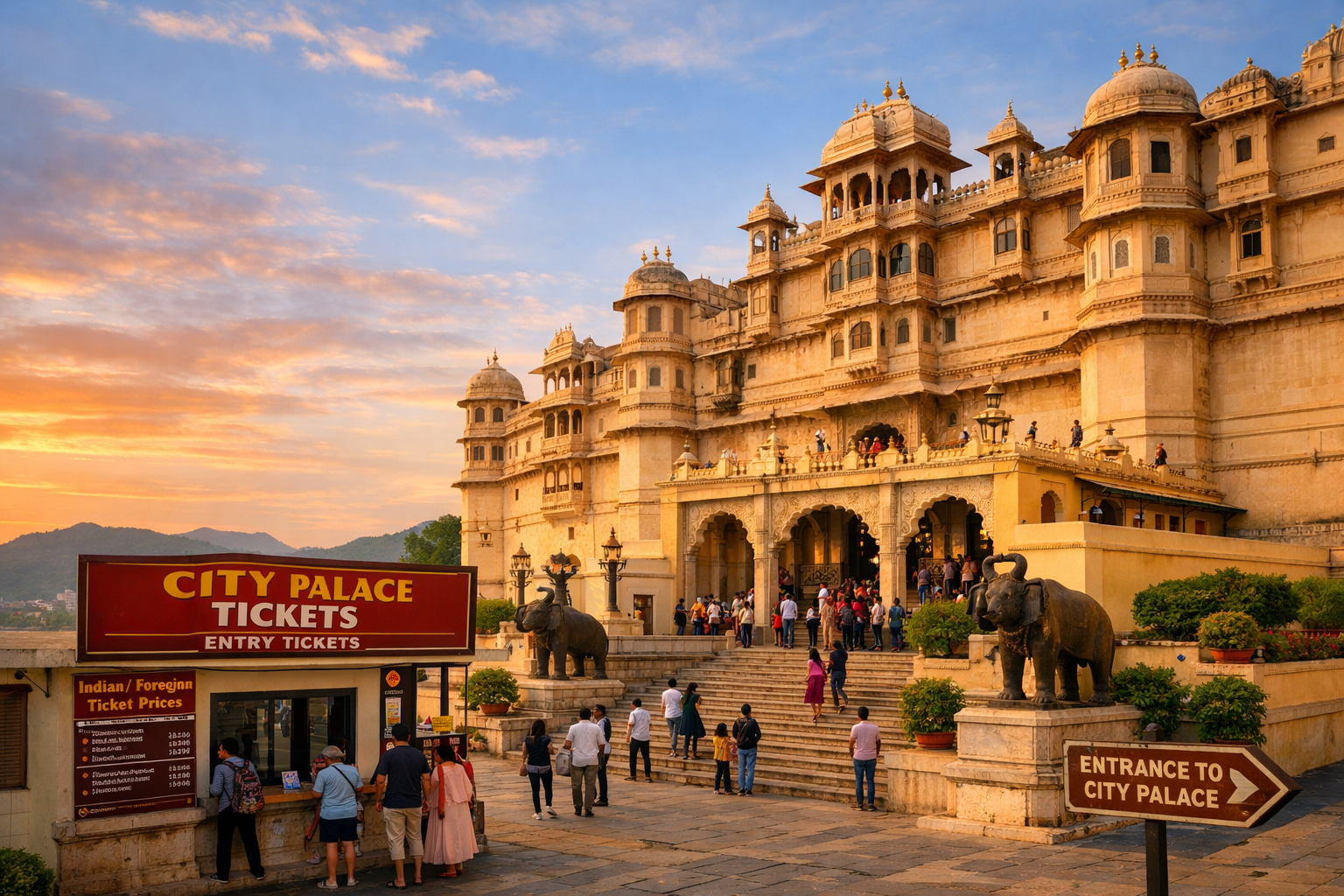
City Palace Udaipur Travel Tips for Families, Couples & Solo Travelers
-
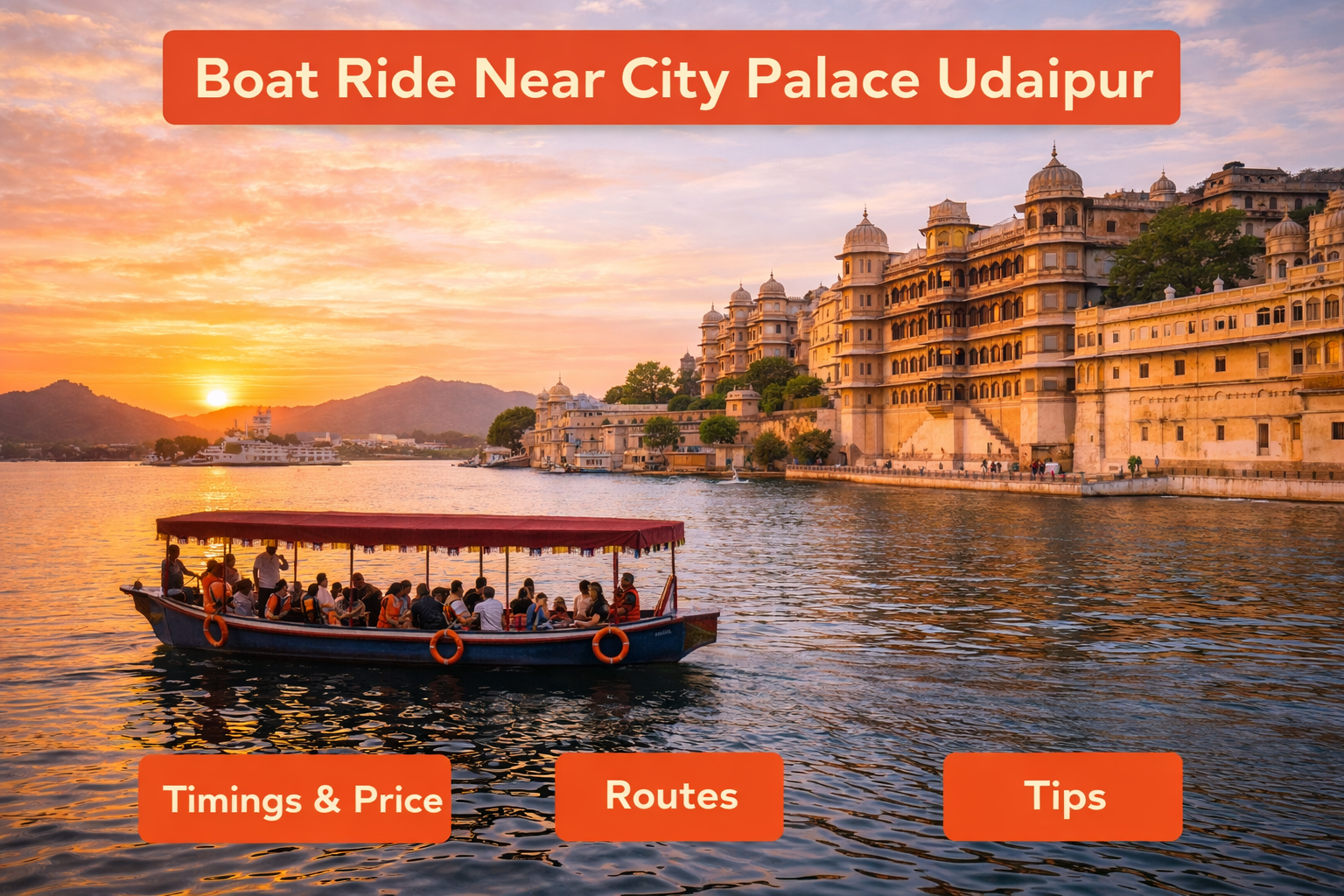
Boat Ride Near City Palace Udaipur: Timings, Price & Tips
-
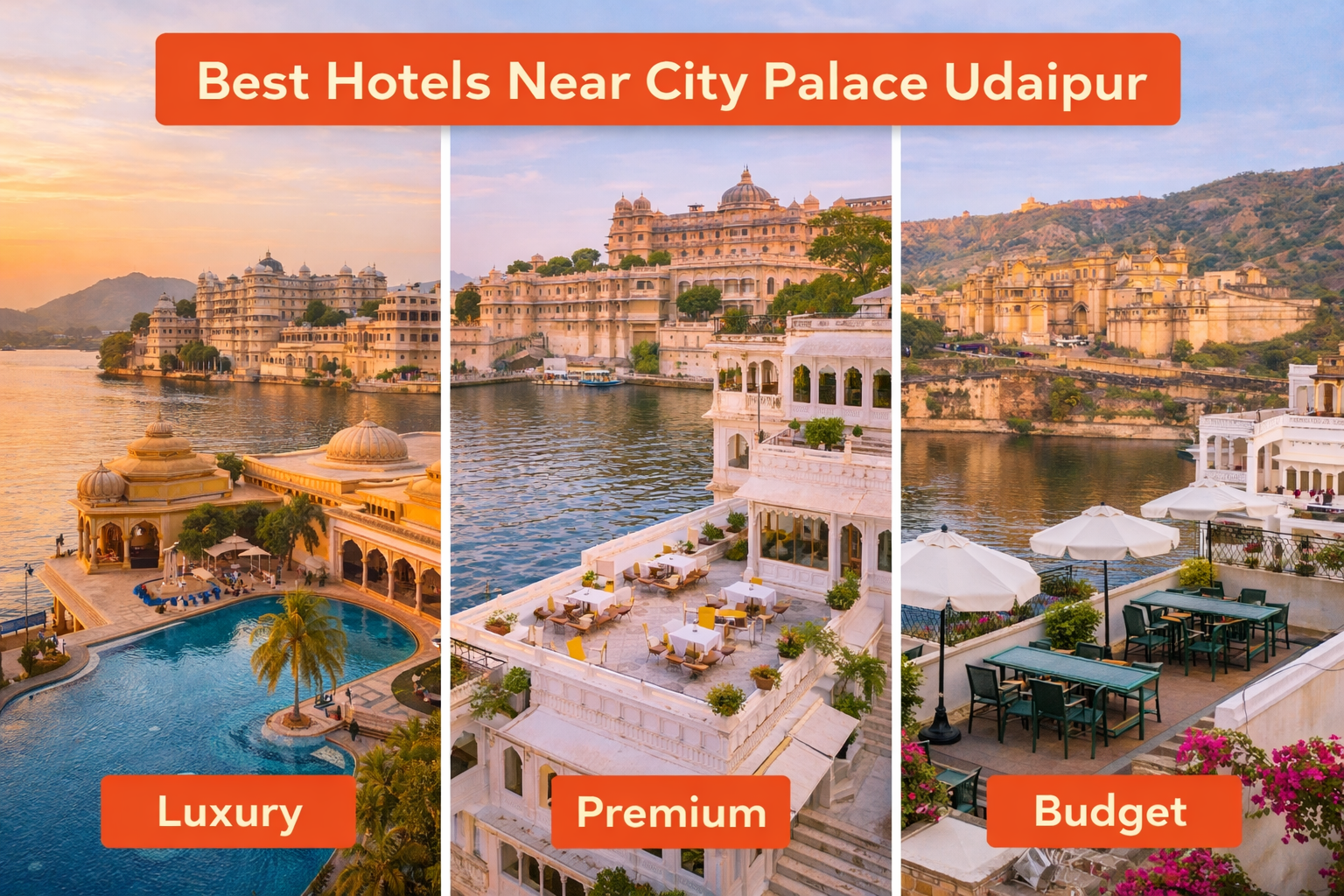
Best Hotels Near City Palace Udaipur for All Budgets (2026 Guide)
-
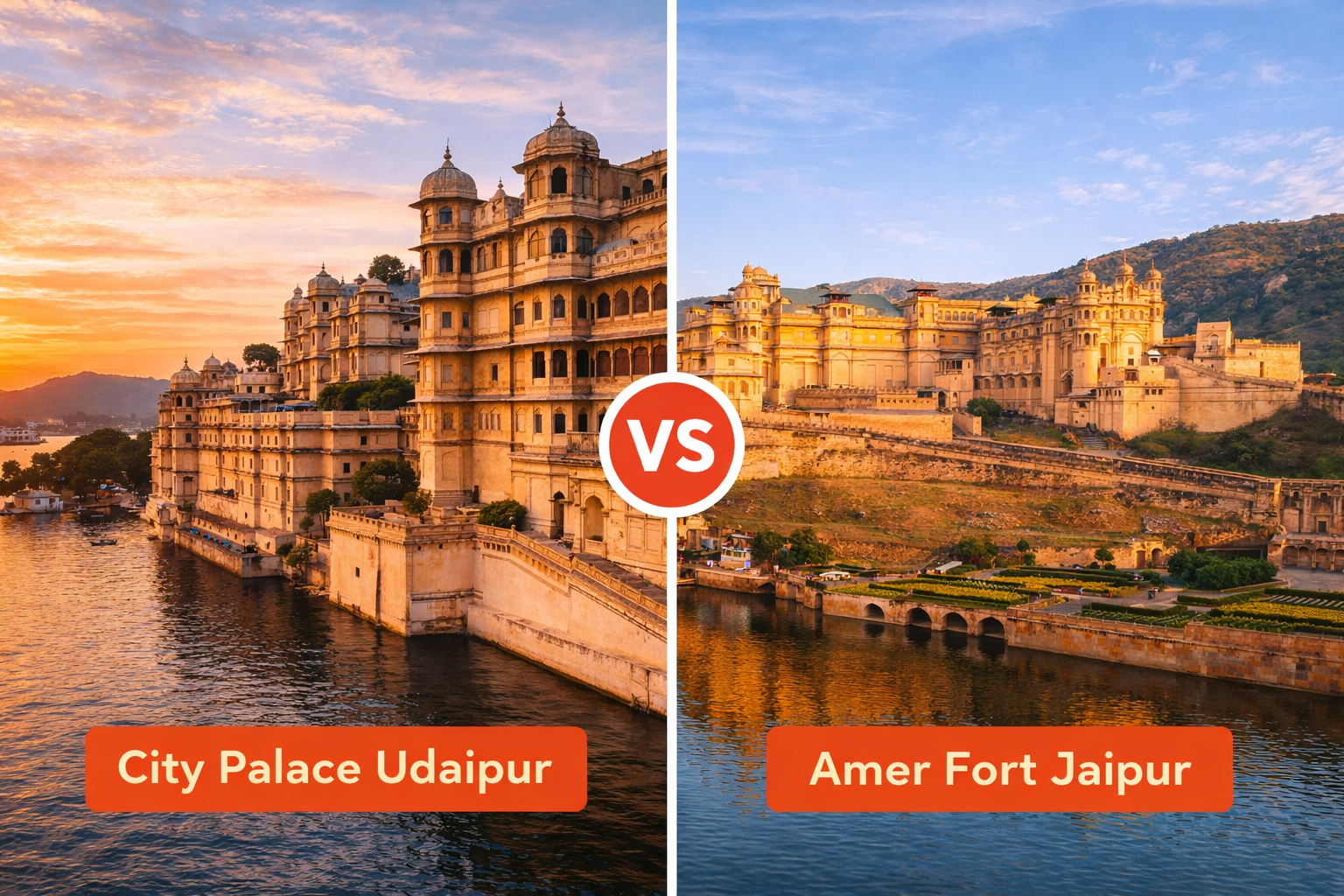
City Palace Udaipur or Amer Fort Jaipur: A Royal Comparison
-
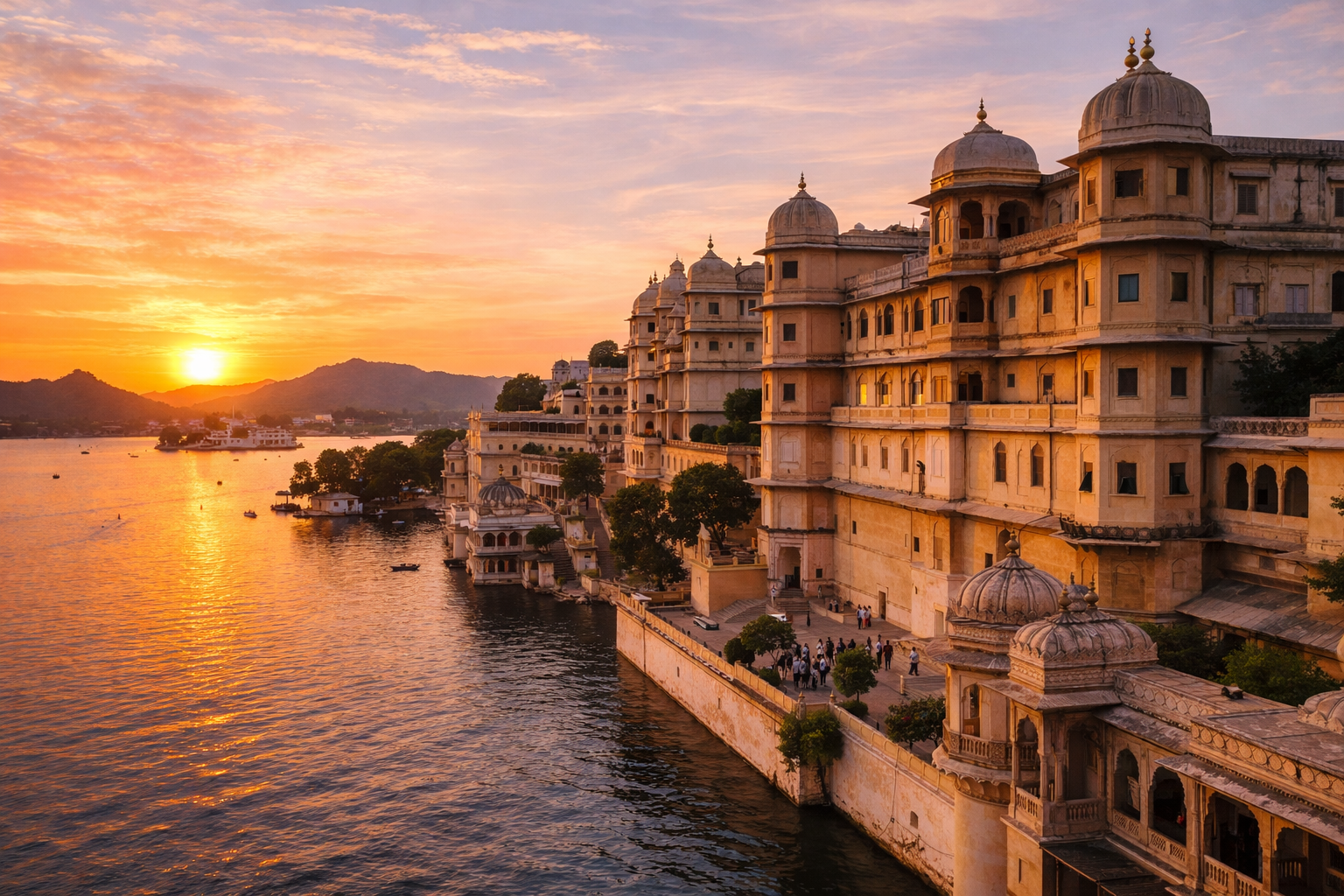
Best Time to Visit City Palace Udaipur for Photography & Sightseeing
-
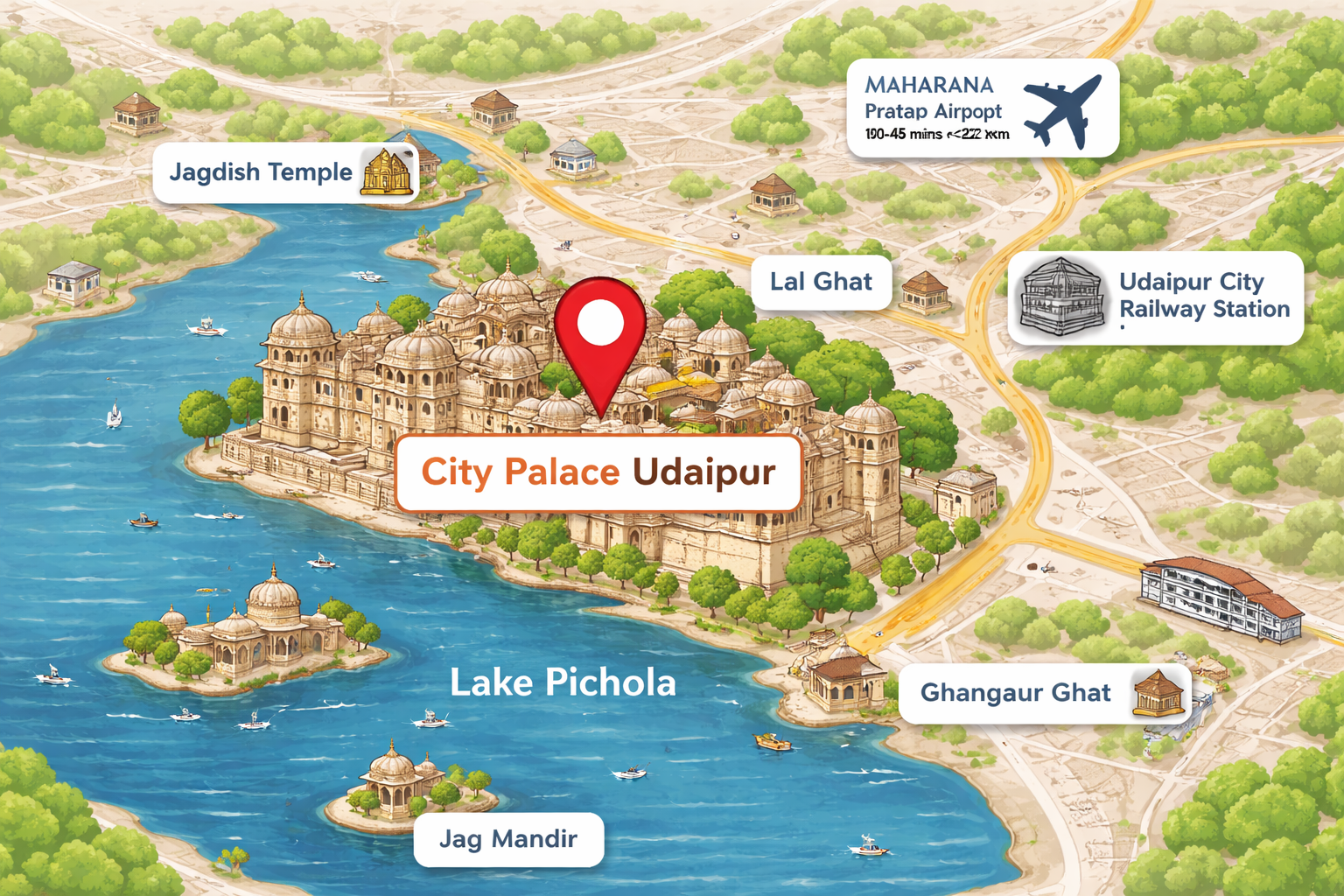
City Palace Udaipur Location, Map & How to Reach Easily
-
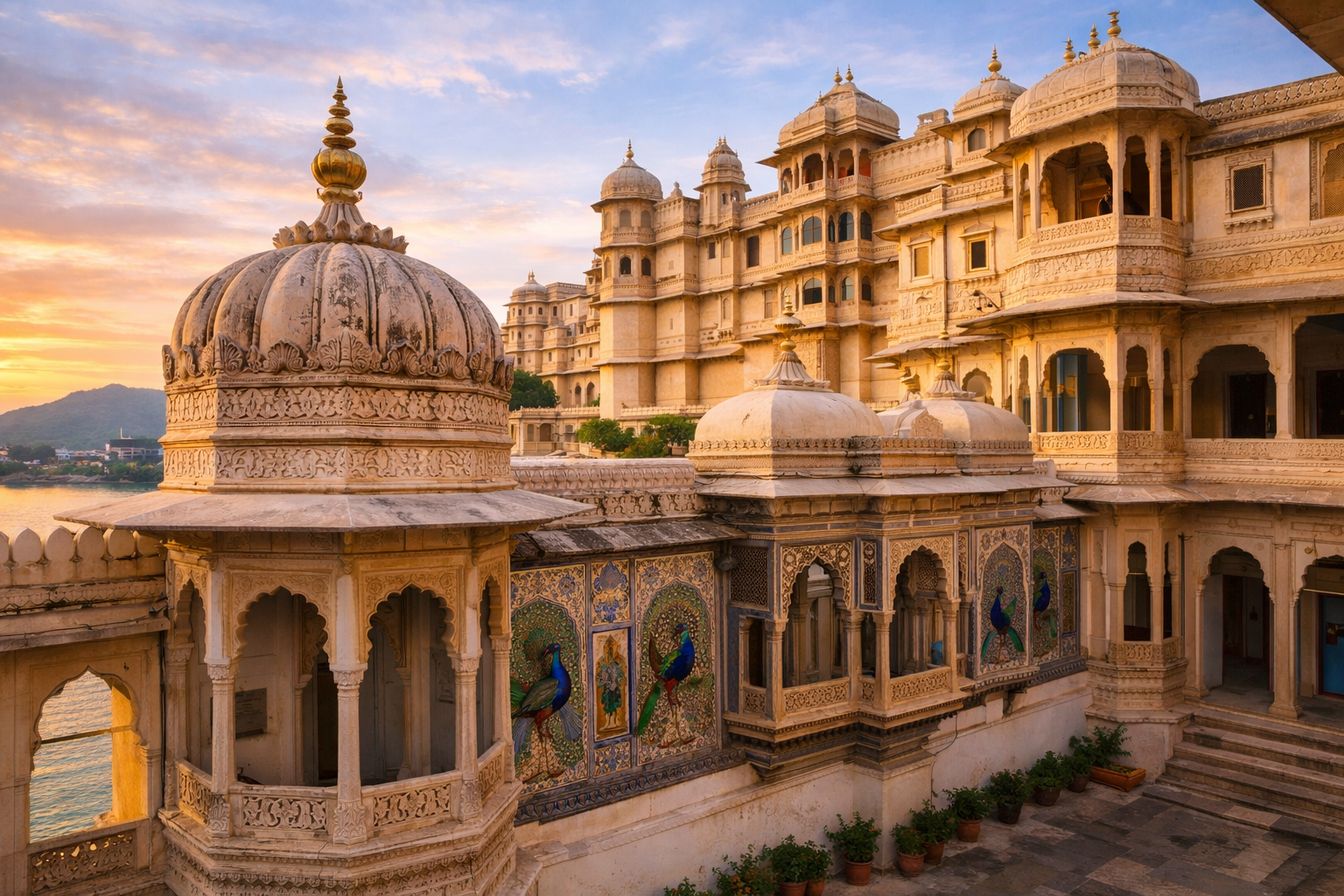
Why Rajasthan Is Called the Land of Royal Palaces: History, Culture, and Tourism Guide
-
How to Plan a 2-Day Udaipur Palace Tour: Perfect Itinerary for First-Time Visitors
-
Top Heritage Palaces in Rajasthan That Reflect Royal Indian Culture

-
Famous Royal Palaces of Udaipur and Their Untold History
-
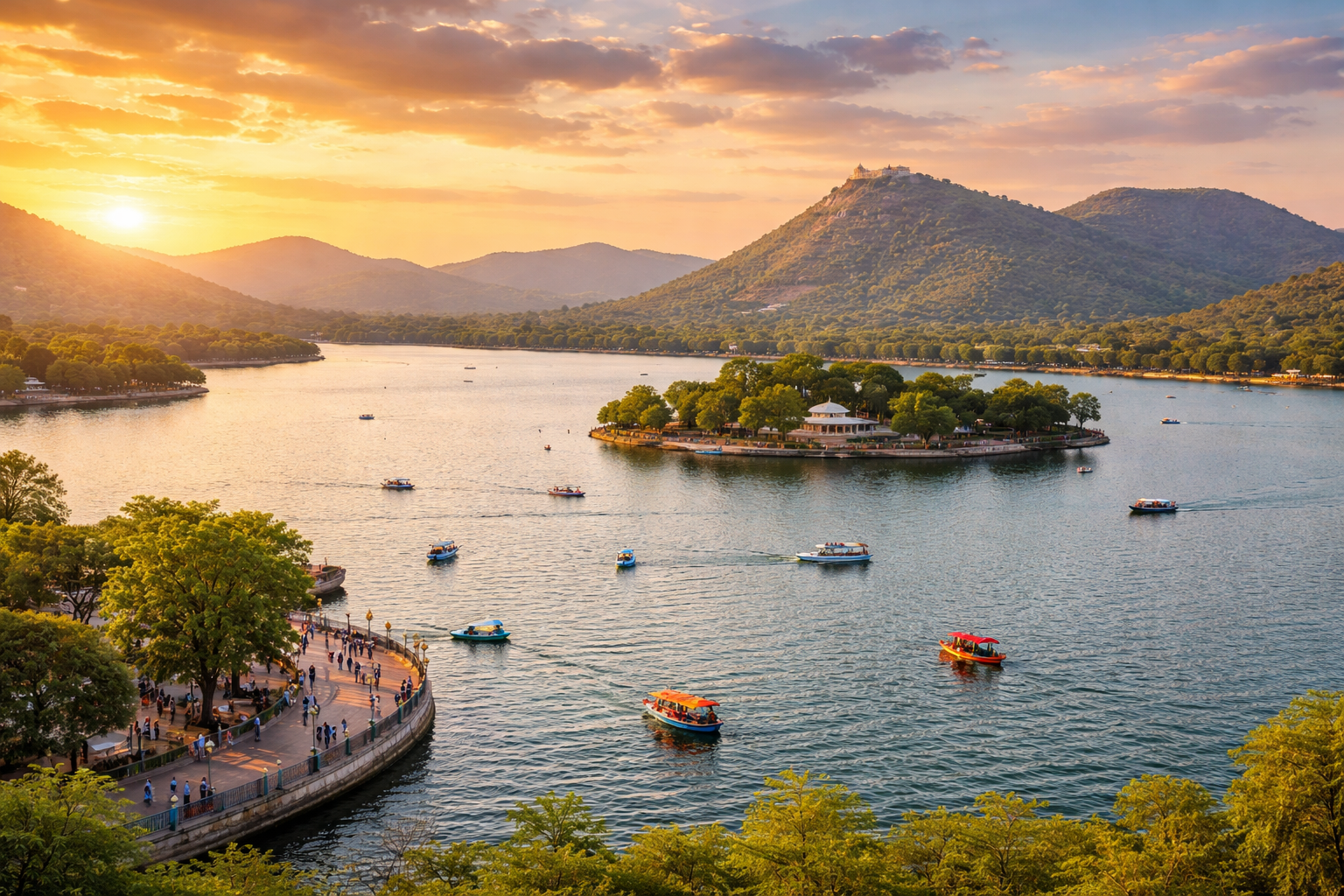
Complete Travel Guide to Udaipur: Palaces, Lakes, Food, Budget and Travel Tips
-
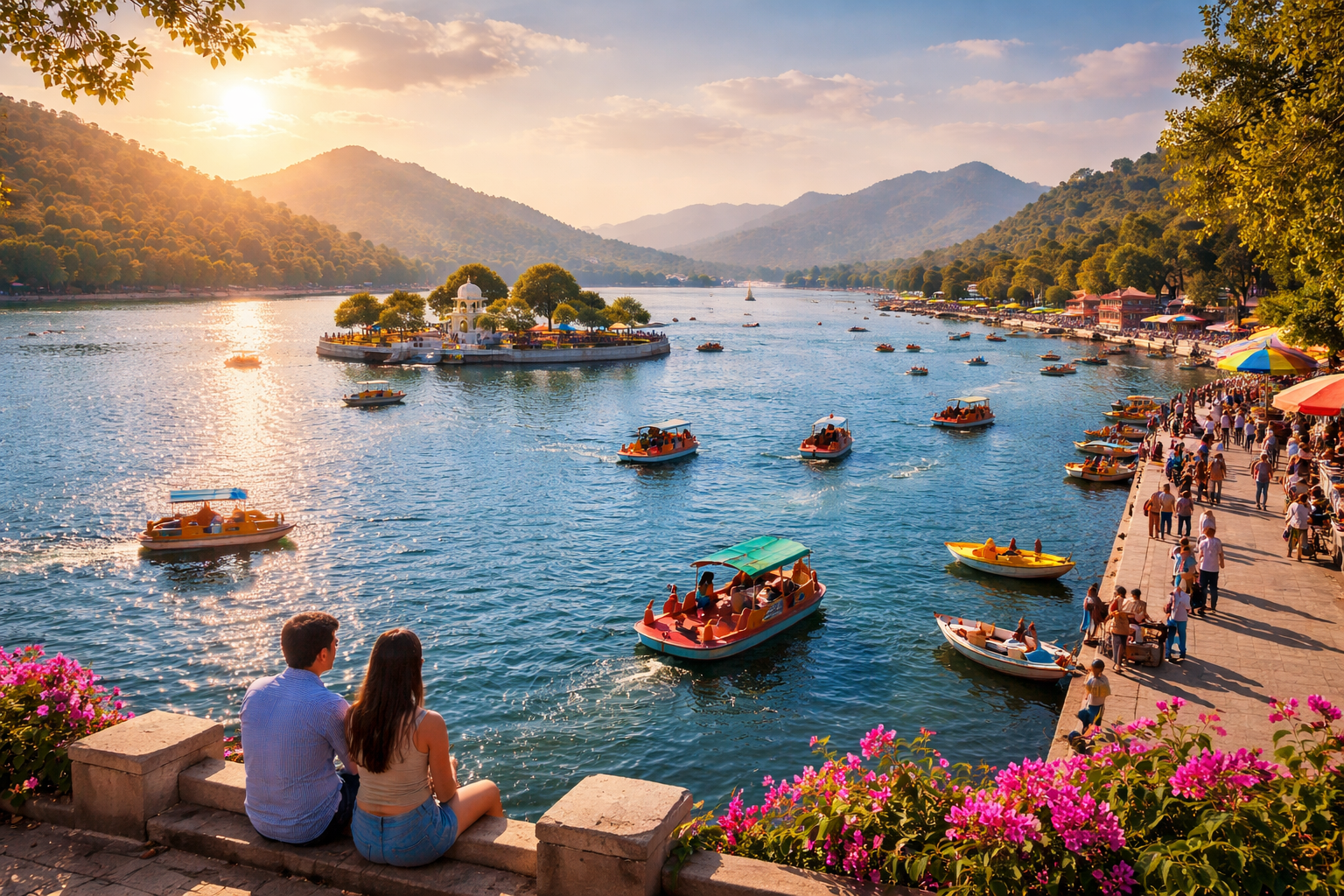
Best Time to Visit City Palace Udaipur: Weather, Crowd, Festivals and Travel Tips
-
Hidden Facts About City Palace Udaipur That Most Tourists Don’t Know
-
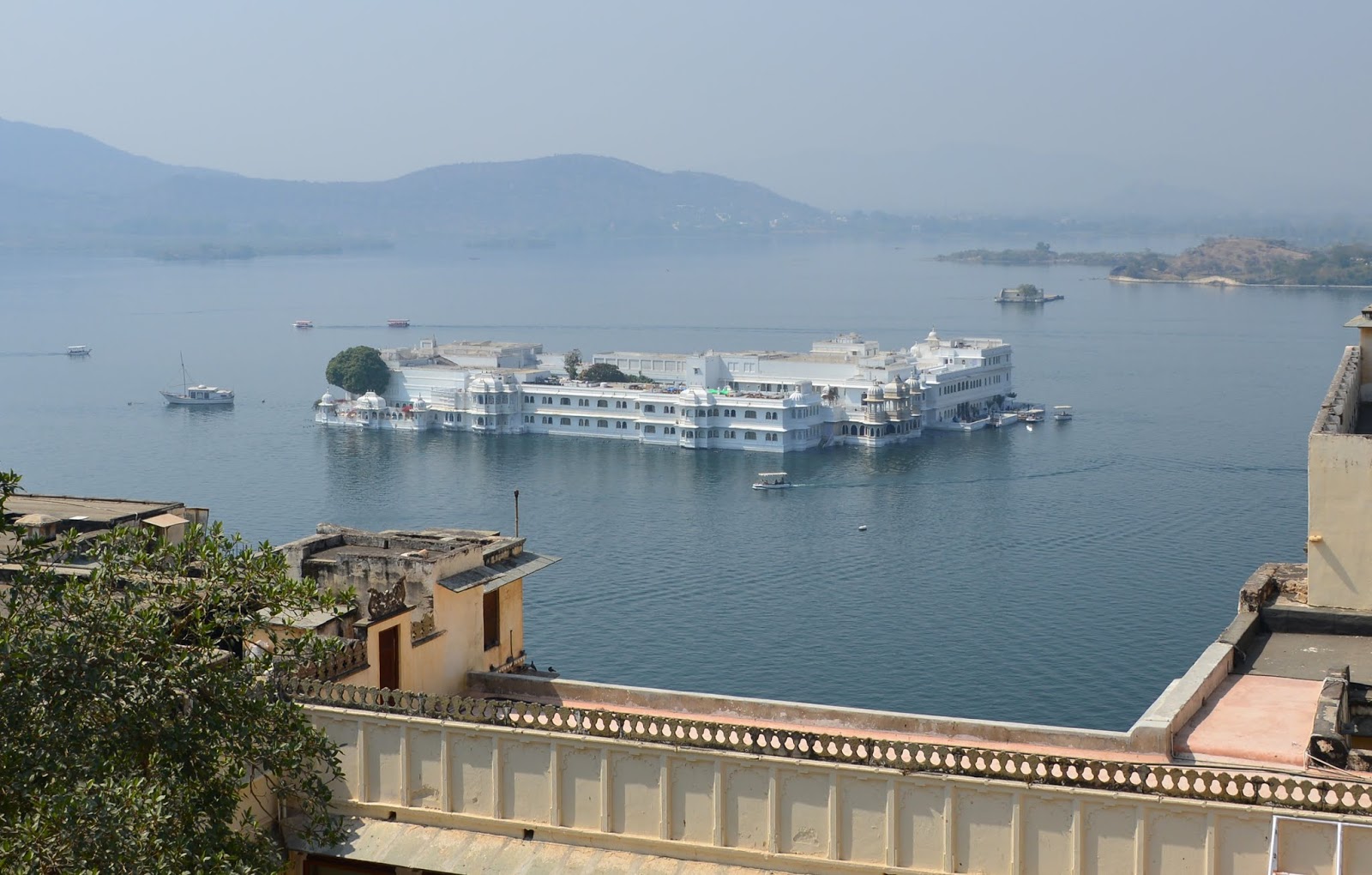
City Palace vs Lake Palace Udaipur: Which One Is Worth Visiting?
-
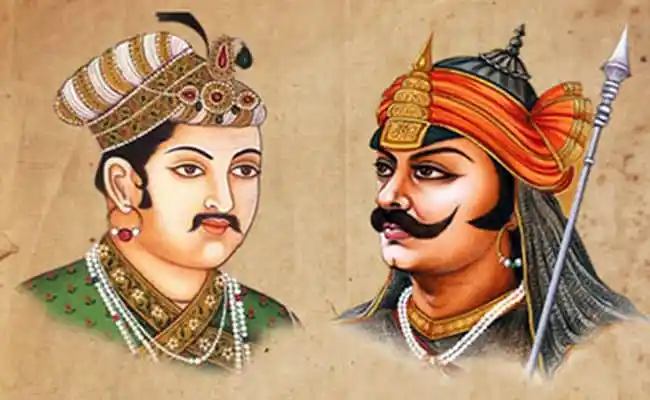
Maharana Pratap – The Legendary Rajput Warrior and Symbol of Courage
-
Top 10 Tourist Palaces in Rajasthan You Must Visit Once in Your Lifetime
-
City Palace Udaipur: Complete History, Architecture, Timings, Ticket Price and Travel Guide