Hawa Mahal, Jaipur: The Iconic Palace of Winds and the Soul of the Pink City
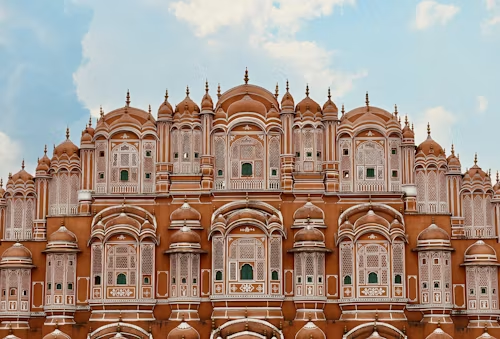
Standing gracefully in the heart of Jaipur, Hawa Mahal is one of the most recognizable landmarks of Rajasthan and a timeless symbol of the Pink City. With its unique honeycomb façade, thousands of small windows, and rose-pink sandstone exterior, Hawa Mahal captures the imagination of travelers, historians, architects, and photographers alike.
Known as the “Palace of Winds,” Hawa Mahal is not a conventional palace with grand courtyards and royal chambers. Instead, it is a five-story architectural marvel designed for observation, ventilation, and privacy. Rising like a crown along Jaipur’s main boulevard, it reflects the ingenuity of Rajput architecture and the cultural traditions of royal women in the 18th century.
More than just a tourist attraction, Hawa Mahal is a poetic expression of Jaipur’s royal past—where climate science, social customs, and artistic beauty merged into one extraordinary structure.
Historical Background of Hawa Mahal
Hawa Mahal was built in 1799 by Maharaja Sawai Pratap Singh, the grandson of Jaipur’s founder, Maharaja Sawai Jai Singh II. The palace was designed by Lal Chand Ustad, a talented architect who blended Rajput architecture with subtle Mughal influences.
The primary purpose of Hawa Mahal was to allow royal women (purdah-observing queens and princesses) to observe daily life, festivals, and processions on the streets below without being seen by the public. At the time, strict social customs required women of the royal household to remain secluded from public view.
Thus, Hawa Mahal was not meant for royal residence or governance—it was a screened viewing gallery, carefully designed to maintain privacy while offering comfort and visibility.
Why Is It Called the “Palace of Winds”?
The name Hawa Mahal literally translates to Palace of Winds. The structure features 953 small windows, known as jharokhas, each covered with delicate latticework.
These windows serve a crucial climatic function:
-
They allow cool air to circulate freely
-
They create a natural ventilation system
-
They keep the interior cool even during Rajasthan’s intense summers
This phenomenon is an early example of passive cooling architecture, making Hawa Mahal centuries ahead of its time in environmental design.
Architectural Brilliance of Hawa Mahal
Hawa Mahal is a masterpiece of Rajput architectural innovation, built primarily from red and pink sandstone, perfectly matching Jaipur’s iconic color scheme.
Key Architectural Highlights:
-
Five stories tall (but surprisingly narrow in depth)
-
Pyramid-shaped façade resembling Lord Krishna’s crown
-
No traditional foundation; the structure curves upward
-
Small chambers connected by ramps instead of stairs
Despite its height, Hawa Mahal lacks a grand entrance from the front. Visitors enter the palace from the rear side, through the City Palace complex.
The Famous Honeycomb Façade
The most striking feature of Hawa Mahal is its honeycomb-like façade, which looks especially magical when sunlight falls upon it.
Each window:
-
Is uniquely designed
-
Features floral and geometric patterns
-
Is topped with miniature domes and finials
The façade was designed not only for ventilation and privacy but also to enhance Jaipur’s royal street aesthetics. During festivals and royal processions, Hawa Mahal served as a grand visual backdrop.
Interior Design and Layout
Contrary to its elaborate exterior, the interior of Hawa Mahal is simple and minimalistic, emphasizing function over luxury.
Inside the Palace, Visitors Will Find:
-
Small chambers for royal women
-
Narrow corridors and arched passages
-
Simple marble floors
-
Modest decorations
The palace consists of five floors, each with a distinct purpose, connected by gently sloping ramps rather than staircases—making movement easier for women wearing traditional attire.
Different Levels of Hawa Mahal
1. Sharad Mandir
Used during autumn festivals and celebrations.
2. Ratan Mandir
Features colored glass windows that reflect sunlight beautifully.
3. Vichitra Mandir
Designed for royal leisure and relaxation.
4. Prakash Mandir
An open terrace offering city views and sunlight.
5. Hawa Mahal Terrace
Provides panoramic views of Jaipur’s old city, City Palace, and Jantar Mantar.
Cultural and Social Significance
Hawa Mahal offers deep insight into the social customs of royal Rajasthan, particularly the practice of purdah. It allowed women to:
-
Observe city life
-
Watch royal processions
-
Enjoy festivals like Teej and Gangaur
Without compromising societal norms, Hawa Mahal empowered royal women with a connection to the outside world.
Hawa Mahal and Jaipur’s Urban Design
Hawa Mahal forms an integral part of Jaipur’s planned urban layout. Located near:
-
City Palace
-
Jantar Mantar (UNESCO World Heritage Site)
-
Johari Bazaar and Badi Chaupar
It acts as a bridge between royal spaces and public life, symbolizing harmony between governance, culture, and community.
Best Time to Visit Hawa Mahal
-
October to March: Best weather for sightseeing
-
Early morning: Soft light and fewer crowds
-
Late afternoon: Ideal for photography
Summers can be extremely hot, especially midday.
Photography at Hawa Mahal
-
Best exterior photos: Early morning from the opposite street
-
Best interior views: Upper floors and terrace
-
Tripods may require permission
Hawa Mahal is one of the most photographed monuments in India.
Hawa Mahal Museum
Inside the palace complex, a small archaeological museum displays:
-
Miniature paintings
-
Sculptures
-
Artifacts from Jaipur’s royal era
These exhibits add historical depth to the visit.
Hawa Mahal in Popular Culture
Hawa Mahal has appeared in:
-
Bollywood films
-
Travel documentaries
-
Art and photography exhibitions
Its façade has become an international symbol of Jaipur and Rajasthan tourism.
Visitor Tips
-
Enter from the rear entrance near City Palace
-
Wear comfortable footwear
-
Allocate 1–2 hours for visit
-
Carry water, especially in summer
-
Respect heritage rules and avoid littering
Conservation and Preservation
Due to pollution, traffic, and weathering, Hawa Mahal requires constant conservation. Restoration efforts focus on:
-
Preserving sandstone color
-
Strengthening latticework
-
Managing tourist footfall
Responsible tourism helps protect this fragile heritage.
Conclusion
Hawa Mahal is more than an architectural wonder—it is a poetic symbol of Jaipur’s identity. Its graceful façade, intelligent design, and cultural significance make it one of India’s most unique monuments.
Standing before Hawa Mahal, one does not just admire a building—one experiences centuries of history, tradition, and innovation carved into pink sandstone. Whether you are a traveler, historian, or photographer, Hawa Mahal leaves a lasting impression that defines the soul of the Pink City.
-
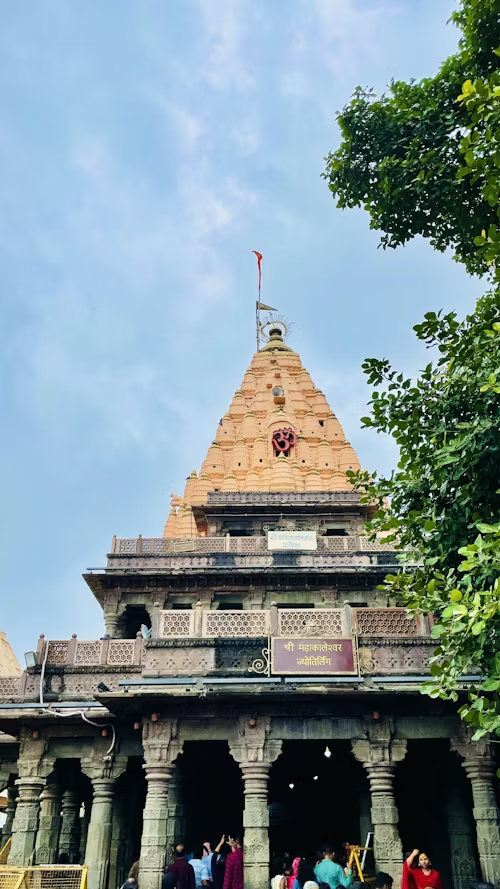
Mahakaleshwar Jyotirlinga, Ujjain: The Eternal Lord of Time and One of the Holiest Shiva Shrines in India
-
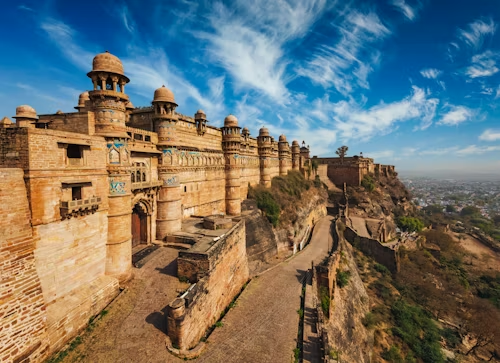
Gwalior Fort: The Majestic Crown of Central India’s History and Heritage
-
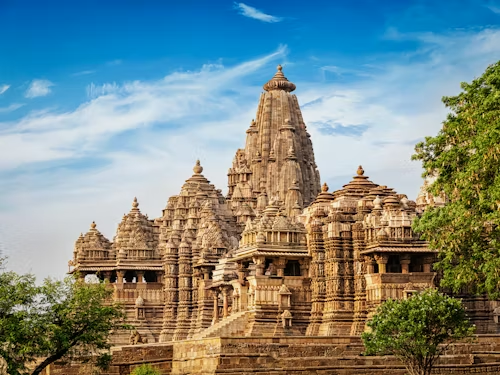
Khajuraho Temples: A Timeless UNESCO World Heritage Site of Art, Spirituality, and Sensuality
-
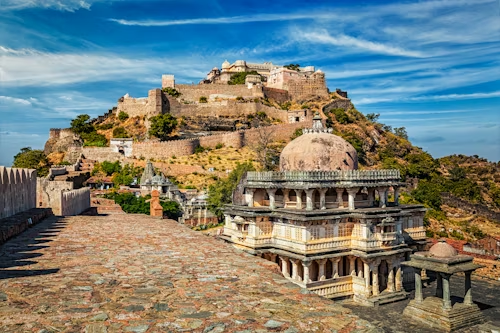
Kumbhalgarh Fort, Rajsamand: The Great Wall of India and the Invincible Pride of Mewar
-
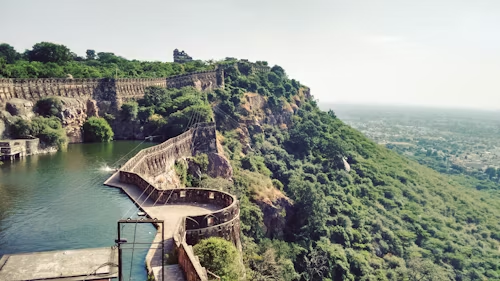
Chittorgarh Fort, Chittorgarh: The Eternal Symbol of Rajput Valor, Sacrifice, and Pride
-
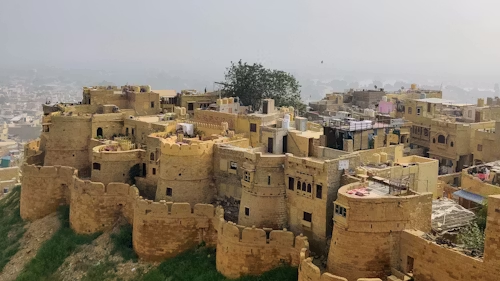
Jaisalmer Fort, Jaisalmer: The Golden Living Fort of the Thar Desert
-
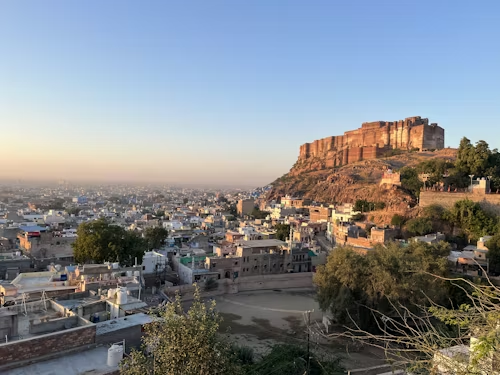
Mehrangarh Fort, Jodhpur: The Majestic Guardian of the Blue City
-
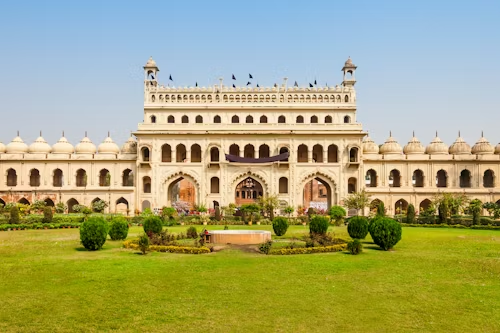
City Palace, Jaipur: The Timeless Heart of Rajasthan’s Royal Legacy
-
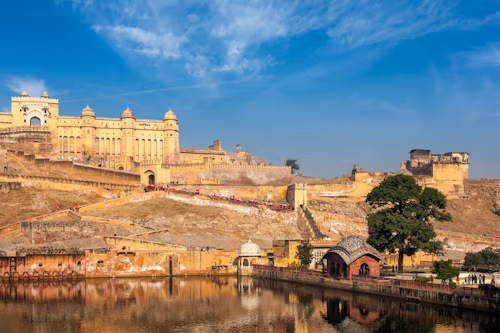
Amer Fort (Amber Palace), Jaipur: A Majestic Symbol of Rajasthan’s Royal Heritage
-
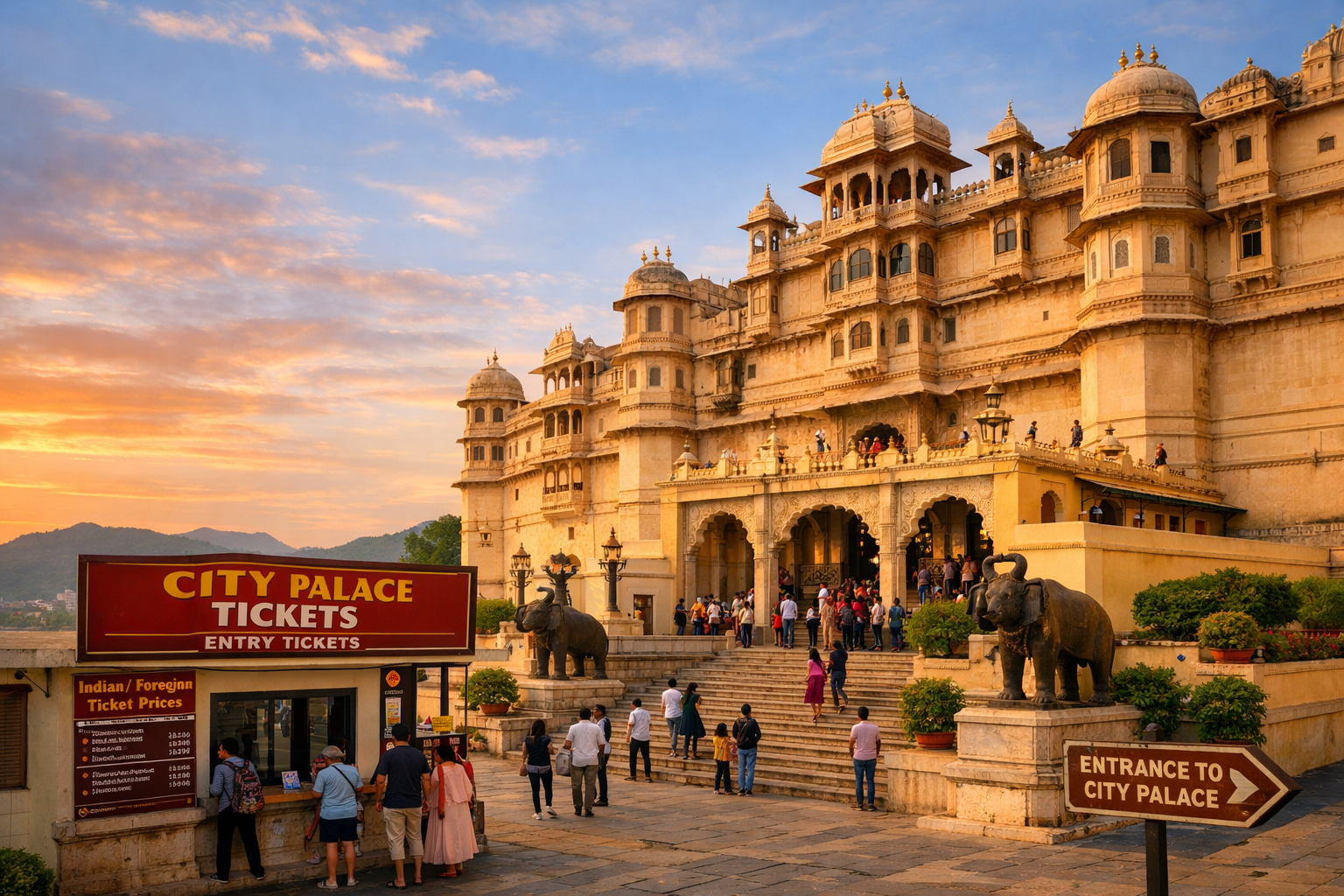
City Palace Udaipur Travel Tips for Families, Couples & Solo Travelers
-
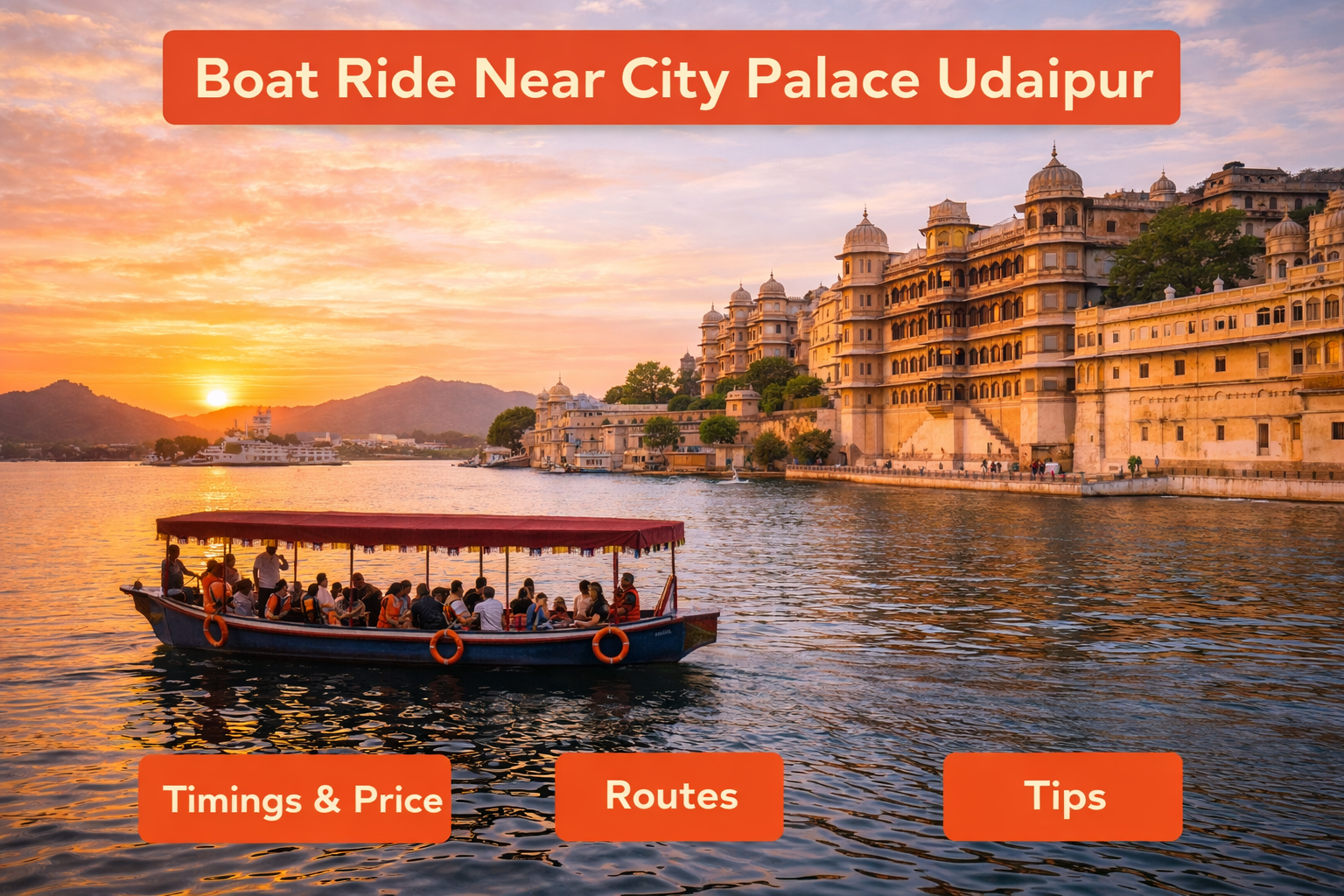
Boat Ride Near City Palace Udaipur: Timings, Price & Tips
-
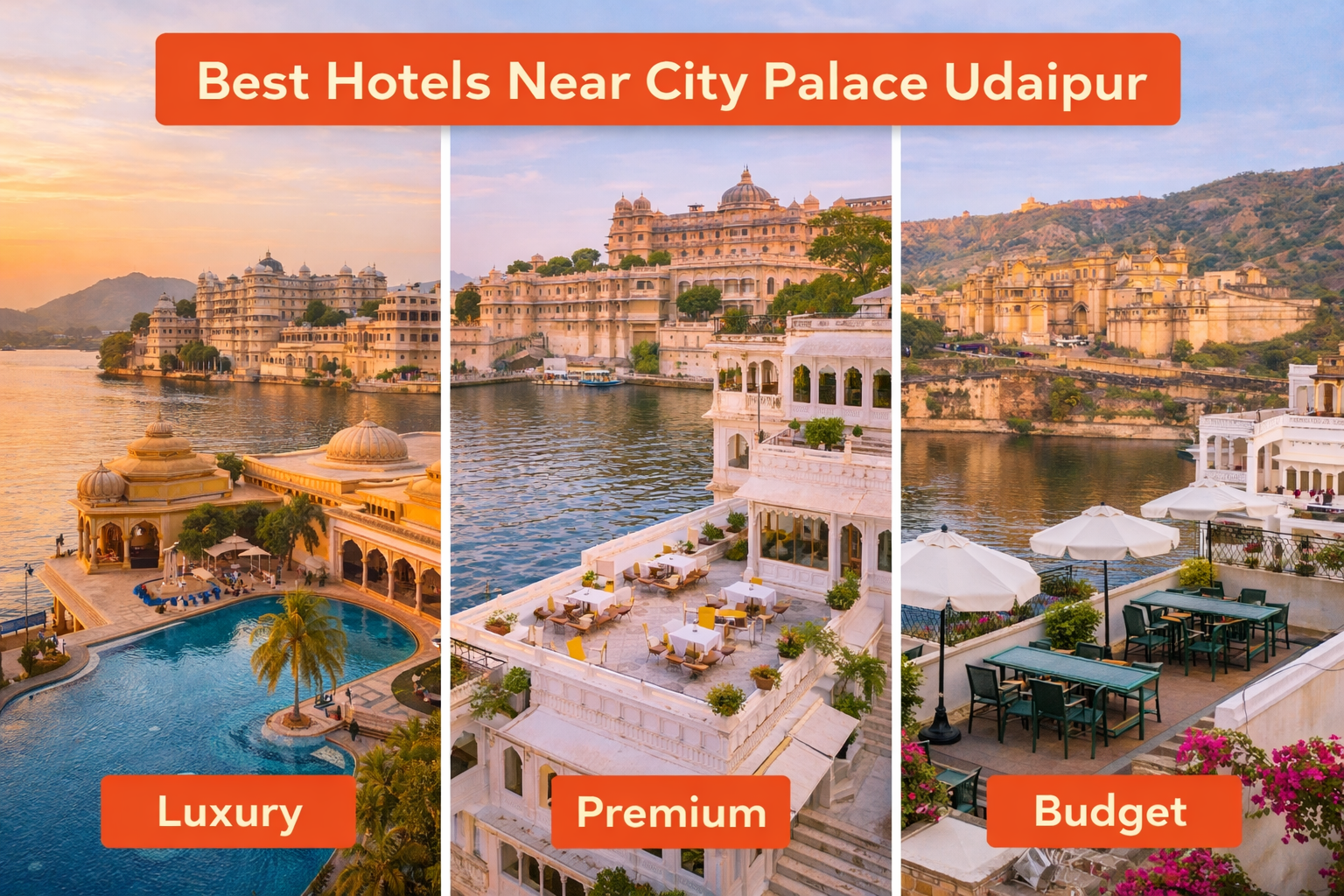
Best Hotels Near City Palace Udaipur for All Budgets (2026 Guide)
-
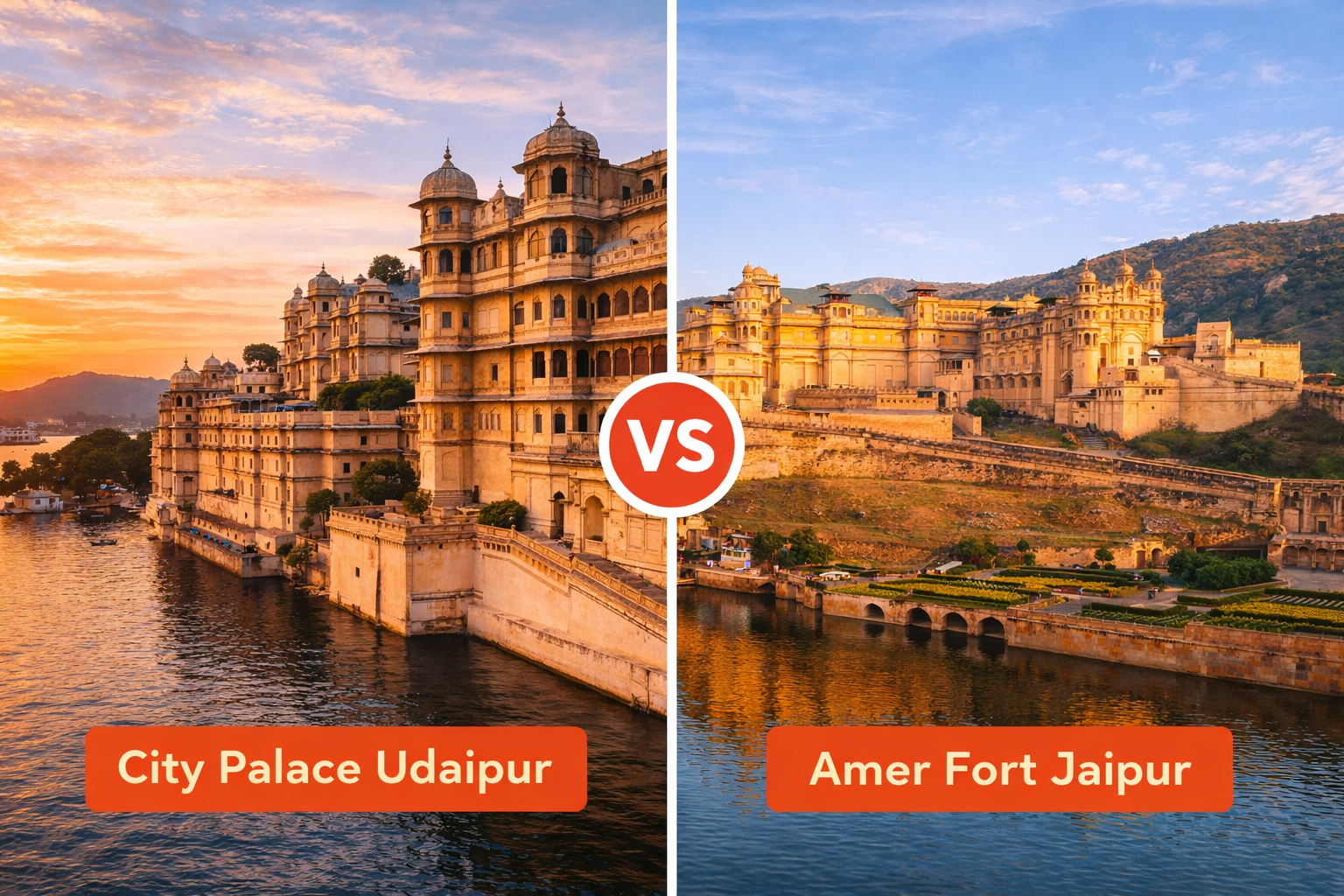
City Palace Udaipur or Amer Fort Jaipur: A Royal Comparison
-
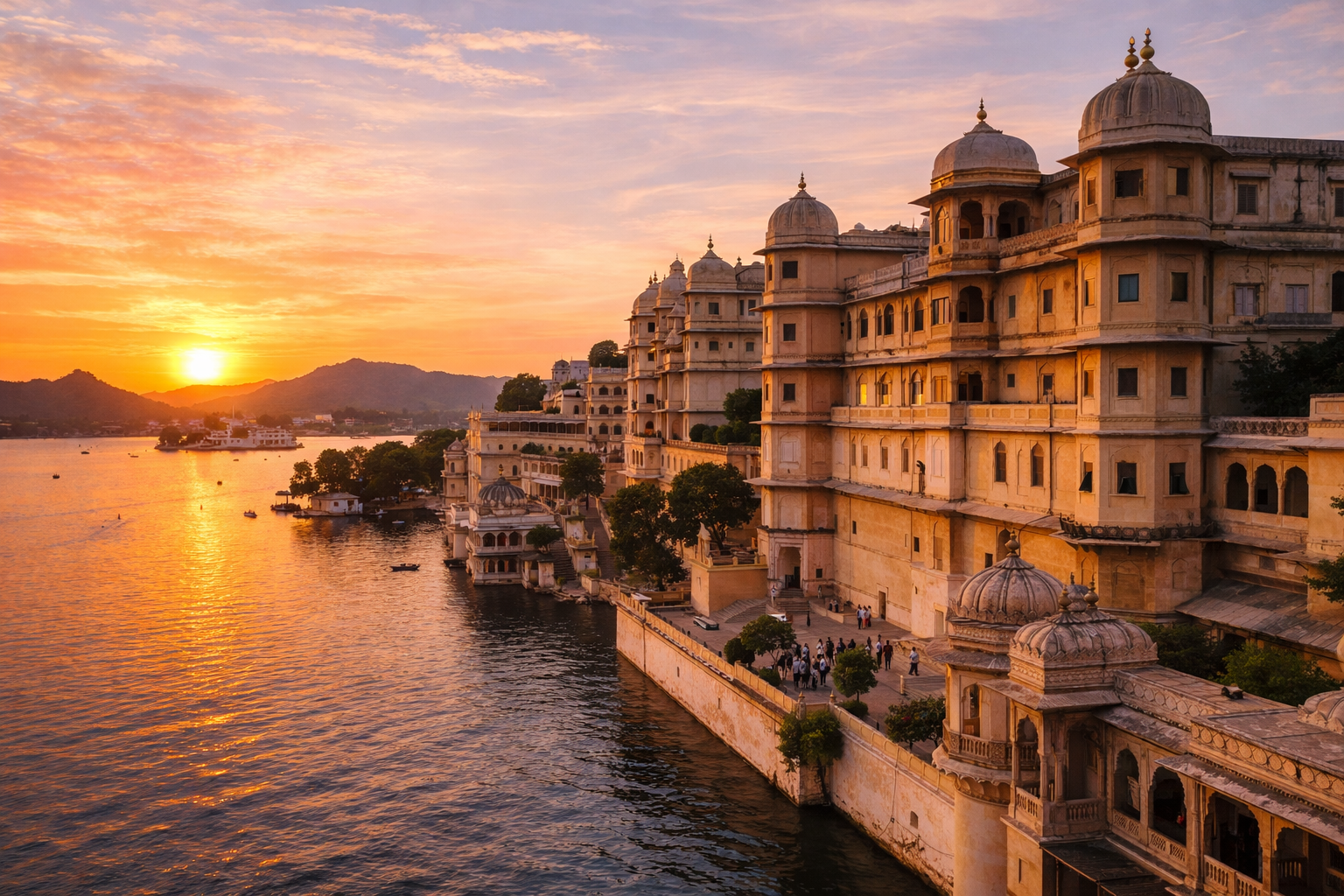
Best Time to Visit City Palace Udaipur for Photography & Sightseeing
-
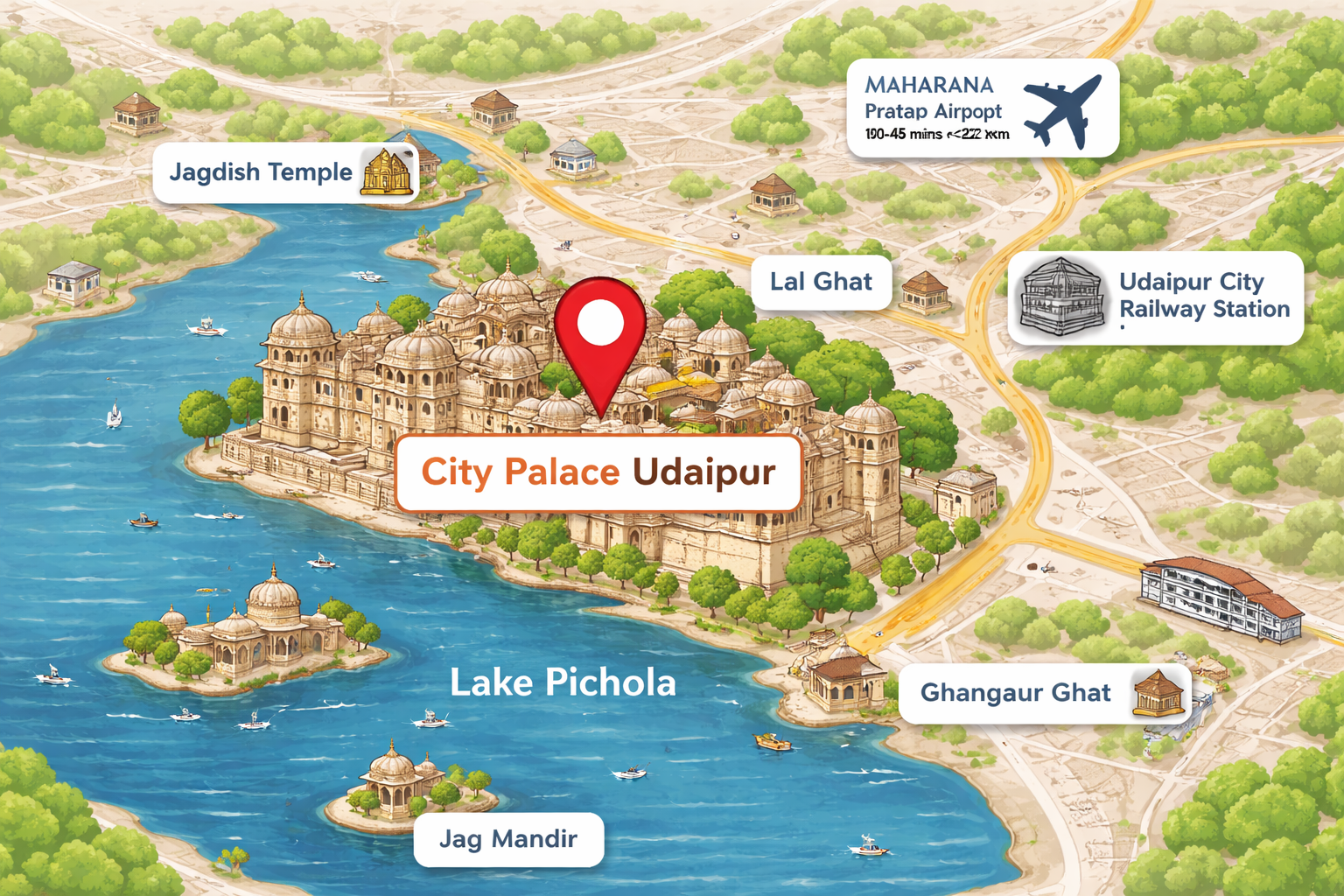
City Palace Udaipur Location, Map & How to Reach Easily
-
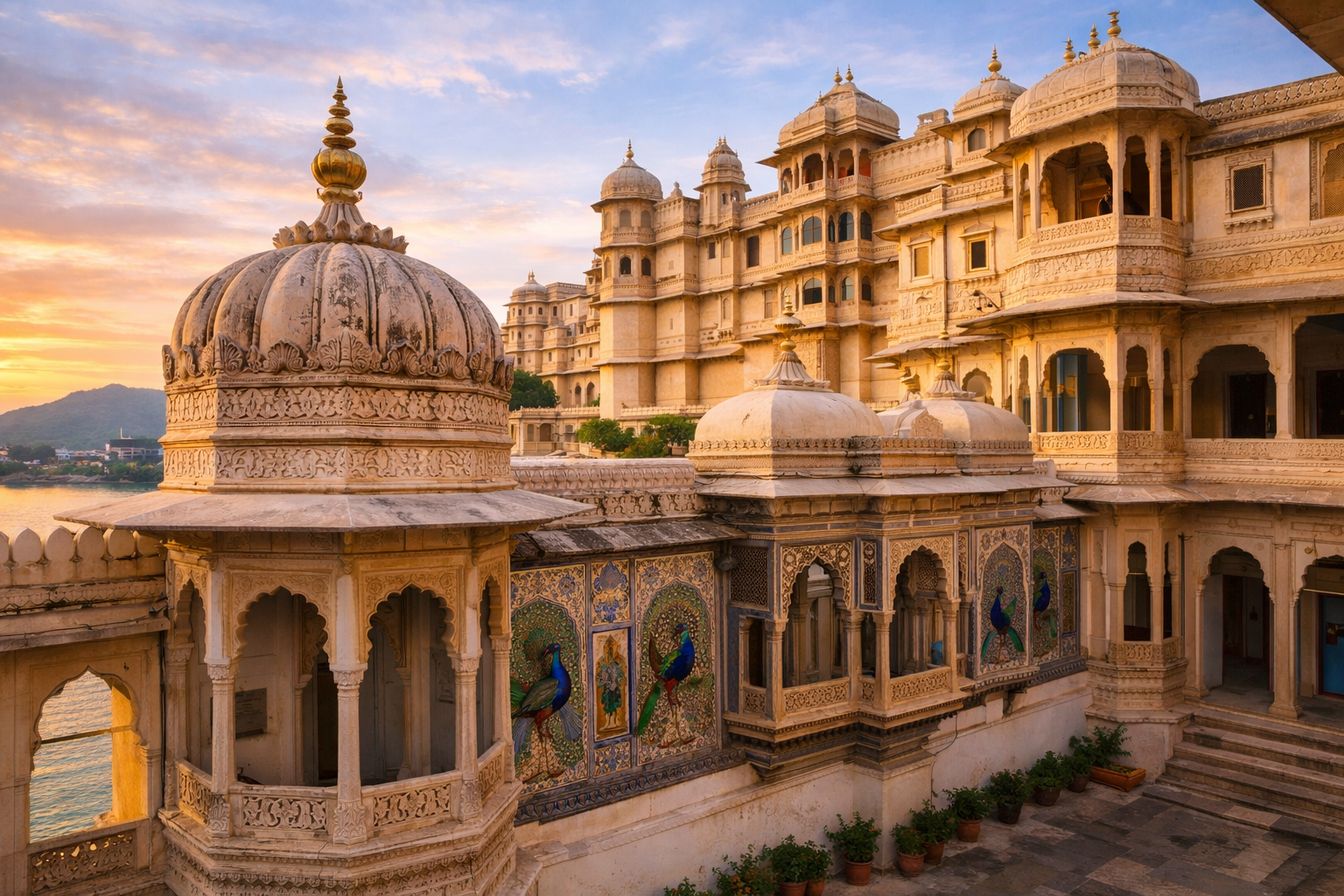
Why Rajasthan Is Called the Land of Royal Palaces: History, Culture, and Tourism Guide
-
How to Plan a 2-Day Udaipur Palace Tour: Perfect Itinerary for First-Time Visitors
-
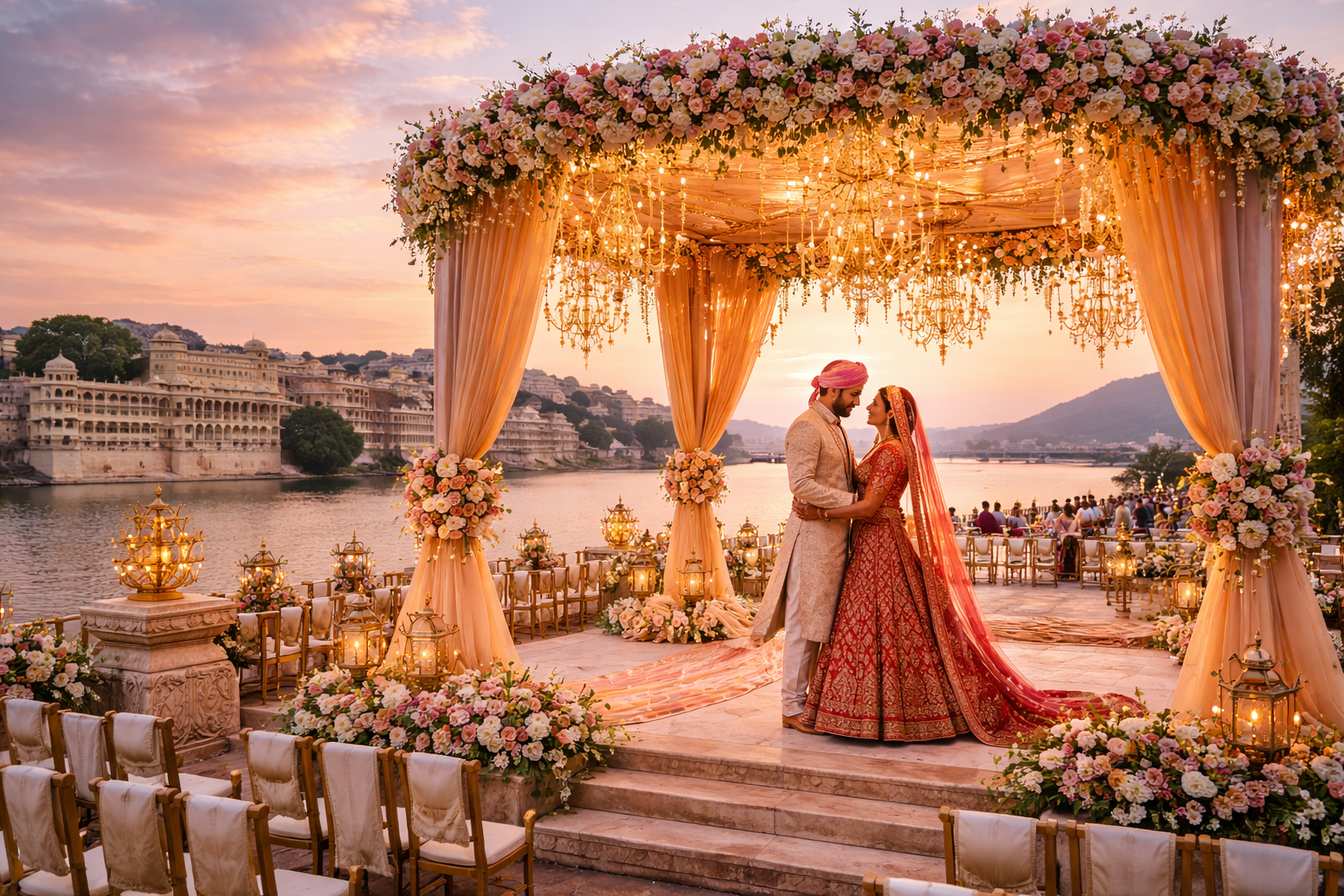
Top Heritage Palaces in Rajasthan That Reflect Royal Indian Culture
-
Famous Royal Palaces of Udaipur and Their Untold History
-
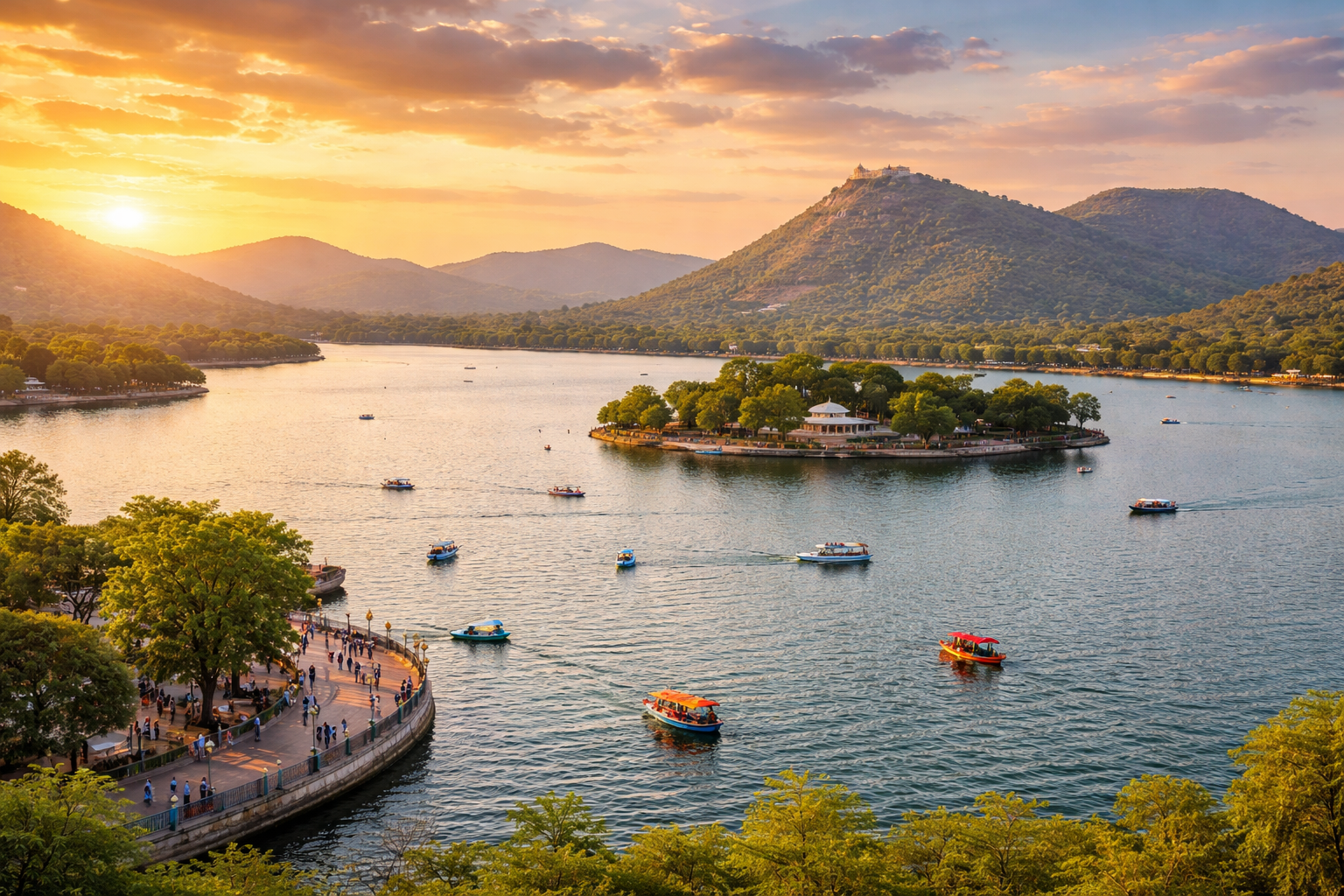
Complete Travel Guide to Udaipur: Palaces, Lakes, Food, Budget and Travel Tips
-
Best Time to Visit City Palace Udaipur: Weather, Crowd, Festivals and Travel Tips
-
Hidden Facts About City Palace Udaipur That Most Tourists Don’t Know
-
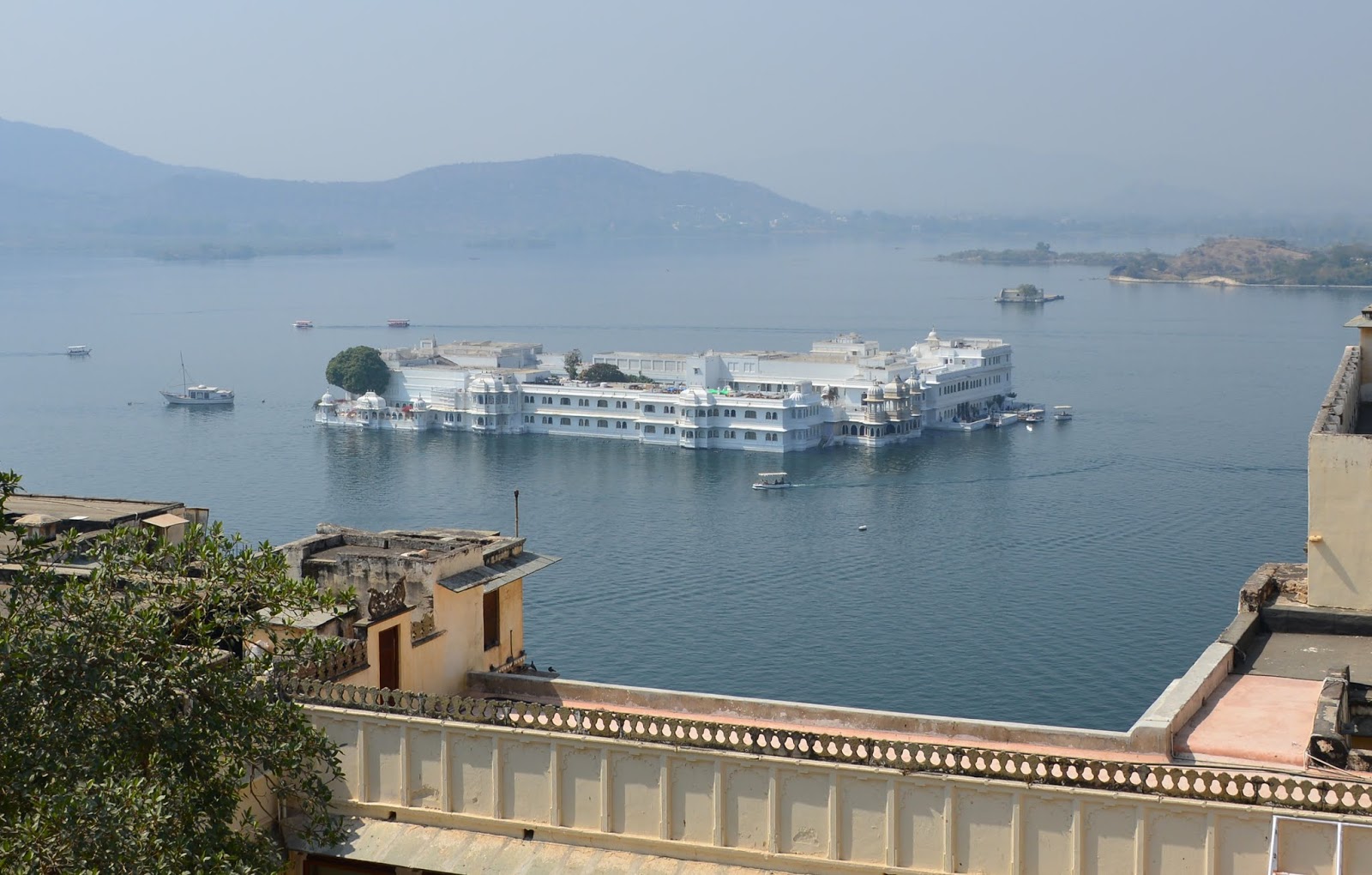
City Palace vs Lake Palace Udaipur: Which One Is Worth Visiting?
-
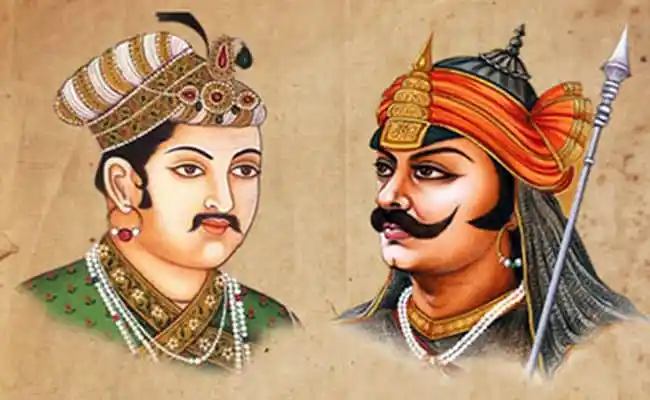
Maharana Pratap – The Legendary Rajput Warrior and Symbol of Courage
-
Top 10 Tourist Palaces in Rajasthan You Must Visit Once in Your Lifetime
-
City Palace Udaipur: Complete History, Architecture, Timings, Ticket Price and Travel Guide