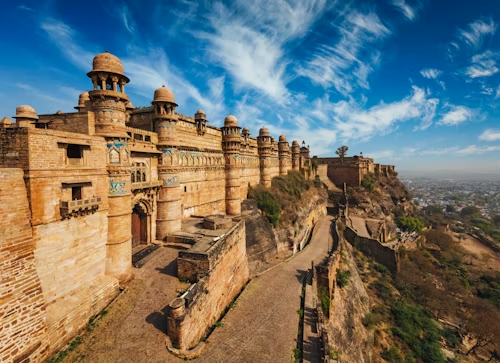
Gwalior Fort: The Majestic Crown of Central India’s History and Heritage
Standing tall on a rocky sandstone plateau in the historic city of Gwalior, Madhya Pradesh, Gwalior Fort is one of the most magnificent and historically significant forts in India. Often described as the “Gibraltar of India”, this colossal fort has witnessed the rise and fall of empires, legendary battles, royal grandeur, and cultural brilliance for over a thousand years.
Gwalior Fort is not just a military structure; it is a living chronicle of Indian history. From ancient Hindu rulers and Rajput dynasties to the Mughals and the Scindias, every era has left its mark on this architectural marvel. With its towering walls, ornate palaces, sacred temples, and breathtaking views, Gwalior Fort remains a top tourist destination in Madhya Pradesh and a symbol of India’s glorious past.
Historical Background of Gwalior Fort
The history of Gwalior Fort dates back to the 8th century, though archaeological evidence suggests the site may have been occupied even earlier. According to legend, the fort was founded by Suraj Sen, a local ruler who was cured of leprosy by a sage named Gwalipa. In gratitude, Suraj Sen built a fortress and named it Gwalior after the sage.
Over the centuries, Gwalior Fort came under the control of several powerful dynasties:
-
Gurjara-Pratiharas
-
Tomars
-
Delhi Sultanate
-
Mughals
-
Marathas
-
Scindia rulers
Each dynasty added new structures, temples, and palaces, making Gwalior Fort a unique blend of architectural styles and cultural influences.
Why Gwalior Fort Is Historically Important
Gwalior Fort has played a crucial role in Indian history because of:
-
Its strategic location in central India
-
Its near-impregnable natural defenses
-
Its control over major trade routes
-
Its political importance during medieval India
The fort was a prized possession for many rulers, including Babur, Humayun, Akbar, and Aurangzeb. It also served as a notorious prison, where many political captives were confined.
Architectural Grandeur of Gwalior Fort
Built primarily of sandstone, Gwalior Fort stretches over 3 kilometers in length and rises about 100 meters above the surrounding plains. Its massive walls blend seamlessly with the rocky hill, giving it an imposing and majestic appearance.
Key Architectural Features
-
Gigantic fortification walls
-
Steep access roads with defensive gates
-
Ornate palaces and courtyards
-
Intricately carved temples
-
Fusion of Hindu, Islamic, and Rajput architecture
The fort’s design demonstrates exceptional engineering skill and aesthetic sensibility.
The Magnificent Gates of Gwalior Fort
Entry into Gwalior Fort is through a series of massive gates, each built to enhance defense and intimidate invaders.
Major Gates
-
Gwalior Gate – Main entrance
-
Badalgarh Gate
-
Lakshman Gate – Adorned with blue tile decorations
-
Hathi Pol – Known for elephant sculptures
These gates reflect the military strength and artistic vision of their builders.
Man Singh Palace: Jewel of Gwalior Fort
The Man Singh Palace, also known as Man Mandir Palace, is the most iconic structure inside Gwalior Fort.
Highlights of Man Singh Palace
-
Built by Raja Man Singh Tomar (15th century)
-
Decorated with vibrant blue and yellow glazed tiles
-
Features intricate geometric and floral patterns
-
Multi-storied structure with courtyards
The palace is considered one of the finest examples of Rajput palace architecture and was admired even by Mughal emperors.
Gujari Mahal: A Love Story in Stone
The Gujari Mahal was built by Raja Man Singh Tomar for his queen Mrignayani, a Gujar princess.
Significance
-
Constructed as a separate palace with its own water supply
-
Now houses the State Archaeological Museum
-
Displays rare sculptures, inscriptions, and artifacts
The palace stands as a testament to royal romance and architectural ingenuity.
Temples Inside Gwalior Fort
Gwalior Fort is also a major religious and spiritual center, housing some of the oldest temples in India.
Teli Ka Mandir
-
Built in the 8th–9th century
-
Dedicated to Lord Vishnu
-
Tallest structure within the fort
-
Unique blend of Nagara and Dravidian architectural styles
Despite its name, the temple has no connection with oil merchants (telis).
Sas Bahu Temples
-
Twin temples dedicated to Lord Vishnu
-
Known for exquisite carvings
-
Symbolize artistic excellence of the 11th century
The name Sas Bahu does not refer to mother-in-law and daughter-in-law but is derived from Sahastrabahu (Vishnu).
Gwalior Fort as a Prison
Gwalior Fort was once considered one of the most dreaded prisons in India.
-
Used by Mughal emperors
-
Political prisoners were confined here
-
Emperor Aurangzeb imprisoned his brother Murad here
Ironically, Emperor Akbar converted the prison into a comfortable residence for noble captives, highlighting the fort’s contrasting history.
Cultural and Musical Legacy of Gwalior
Gwalior is known as the birthplace of the Gwalior Gharana, one of the oldest and most prestigious schools of Hindustani classical music.
The legendary musician Tansen, one of Emperor Akbar’s Navaratnas, was closely associated with Gwalior. His tomb lies near the fort and remains a pilgrimage site for music lovers.
Views from the Fort: A Photographer’s Paradise
From the top of Gwalior Fort, visitors are rewarded with:
-
Panoramic views of Gwalior city
-
Sunrise and sunset vistas
-
Stunning aerial perspectives of palaces and temples
The fort is especially magical during early mornings and golden evenings.
Light and Sound Show at Gwalior Fort
The Light and Sound Show narrates the fort’s glorious history with dramatic lighting, music, and storytelling.
-
Available in Hindi and English
-
Best experienced after sunset
-
Enhances the historical atmosphere
Best Time to Visit Gwalior Fort
-
October to March – Ideal weather
-
Summers (April–June) can be extremely hot
-
Monsoon (July–September) adds greenery but can be humid
How to Reach Gwalior Fort
By Air
-
Gwalior Airport connects to Delhi and major cities
By Train
-
Gwalior Junction is a major railway hub
By Road
-
Well connected to Agra, Jhansi, Bhopal, and Delhi
Visitor Tips
-
Allocate 3–4 hours to explore the fort
-
Wear comfortable walking shoes
-
Hire a local guide for deeper historical insight
-
Carry water, especially in summer
-
Respect temple customs
Nearby Attractions
-
Jai Vilas Palace – Scindia royal residence
-
Tansen Tomb – Musical heritage site
-
Sun Temple – Modern architectural landmark
-
Gopachal Jain Rock-Cut Sculptures
Why Gwalior Fort Is a Must-Visit Destination
Gwalior Fort is:
-
A symbol of power and resilience
-
A masterpiece of Indian architecture
-
A center of music and culture
-
A treasure trove of history
Few forts in India offer such a complete historical experience.
Conclusion
Gwalior Fort is not merely a monument; it is a timeless guardian of India’s heritage. Its walls echo stories of valor, devotion, romance, and artistic brilliance. Whether you are a history enthusiast, architecture lover, spiritual seeker, or traveler, Gwalior Fort promises an unforgettable journey through time.
Standing atop its ancient ramparts, one truly understands why Gwalior Fort has been admired, fought over, and celebrated for more than a millennium.
-
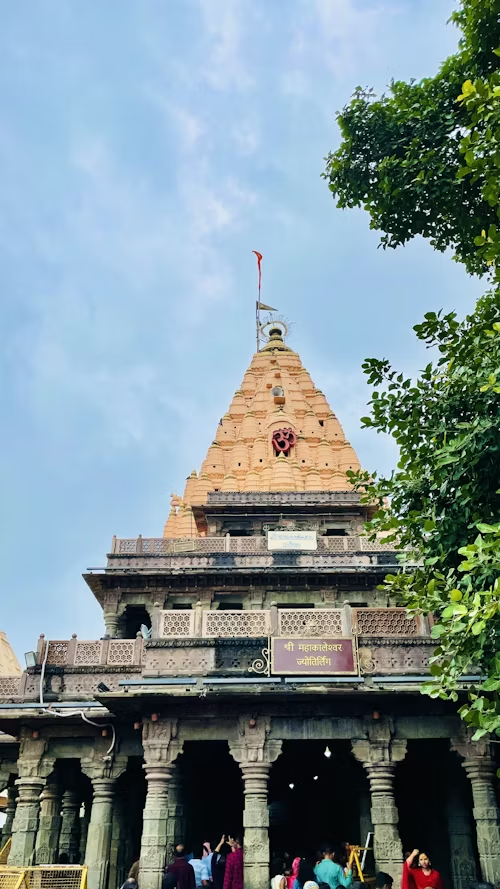
Mahakaleshwar Jyotirlinga, Ujjain: The Eternal Lord of Time and One of the Holiest Shiva Shrines in India
-
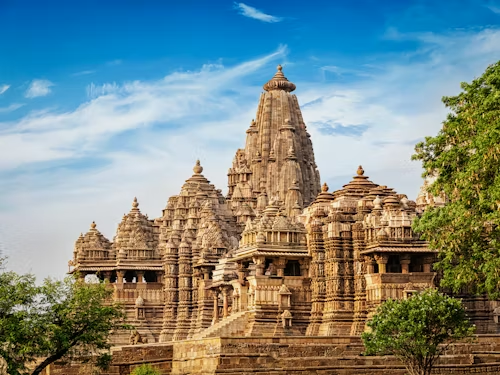
Khajuraho Temples: A Timeless UNESCO World Heritage Site of Art, Spirituality, and Sensuality
-
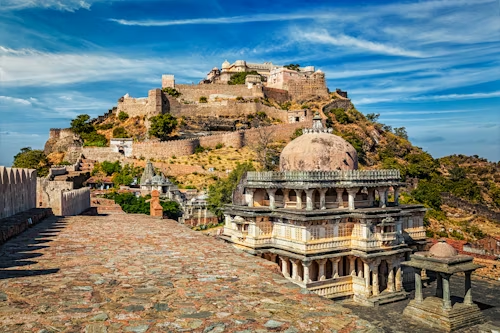
Kumbhalgarh Fort, Rajsamand: The Great Wall of India and the Invincible Pride of Mewar
-
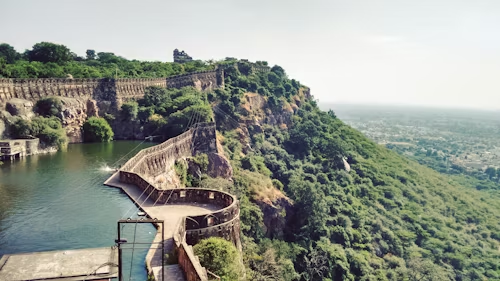
Chittorgarh Fort, Chittorgarh: The Eternal Symbol of Rajput Valor, Sacrifice, and Pride
-
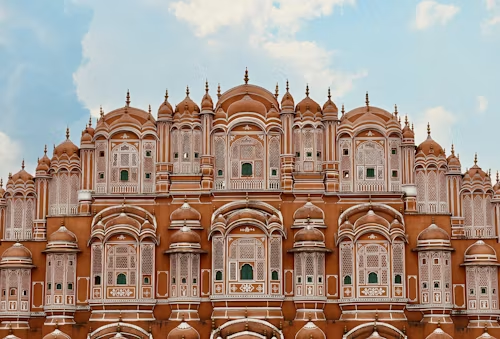
Hawa Mahal, Jaipur: The Iconic Palace of Winds and the Soul of the Pink City
-
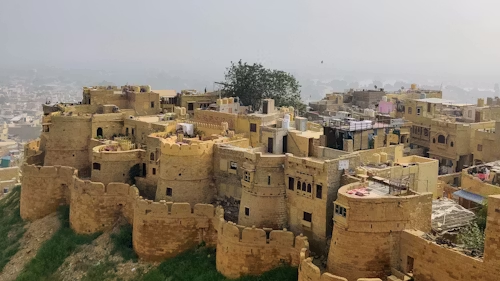
Jaisalmer Fort, Jaisalmer: The Golden Living Fort of the Thar Desert
-
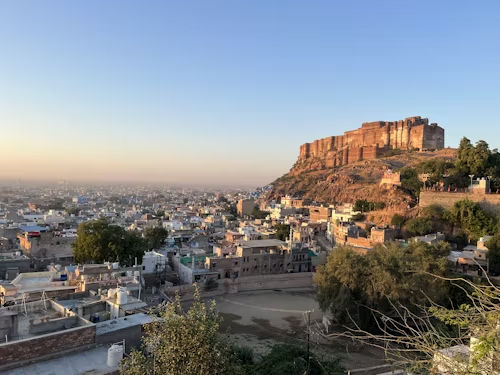
Mehrangarh Fort, Jodhpur: The Majestic Guardian of the Blue City
-
City Palace, Jaipur: The Timeless Heart of Rajasthan’s Royal Legacy
-
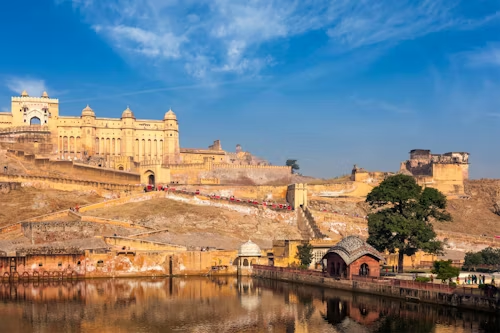
Amer Fort (Amber Palace), Jaipur: A Majestic Symbol of Rajasthan’s Royal Heritage
-
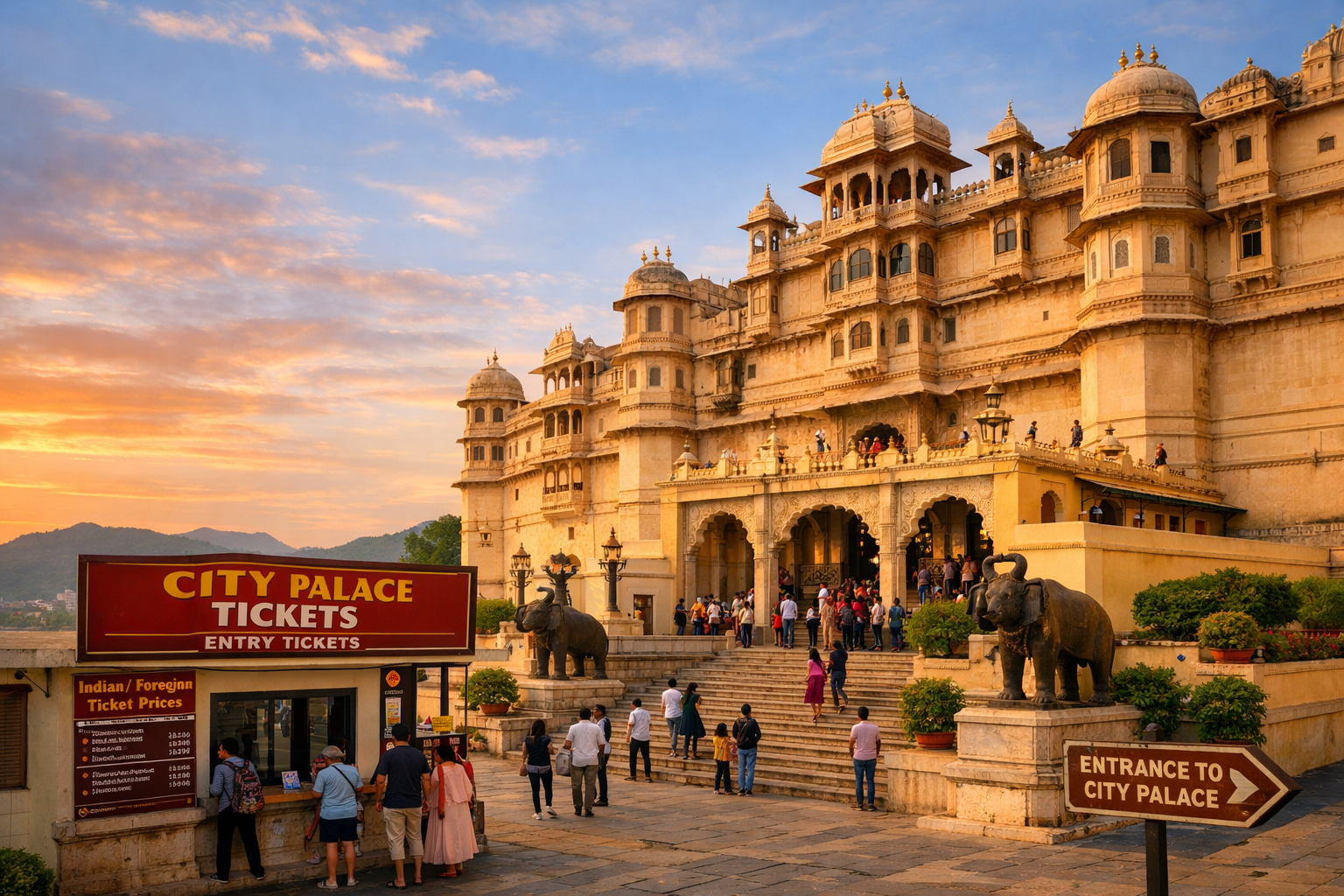
City Palace Udaipur Travel Tips for Families, Couples & Solo Travelers
-
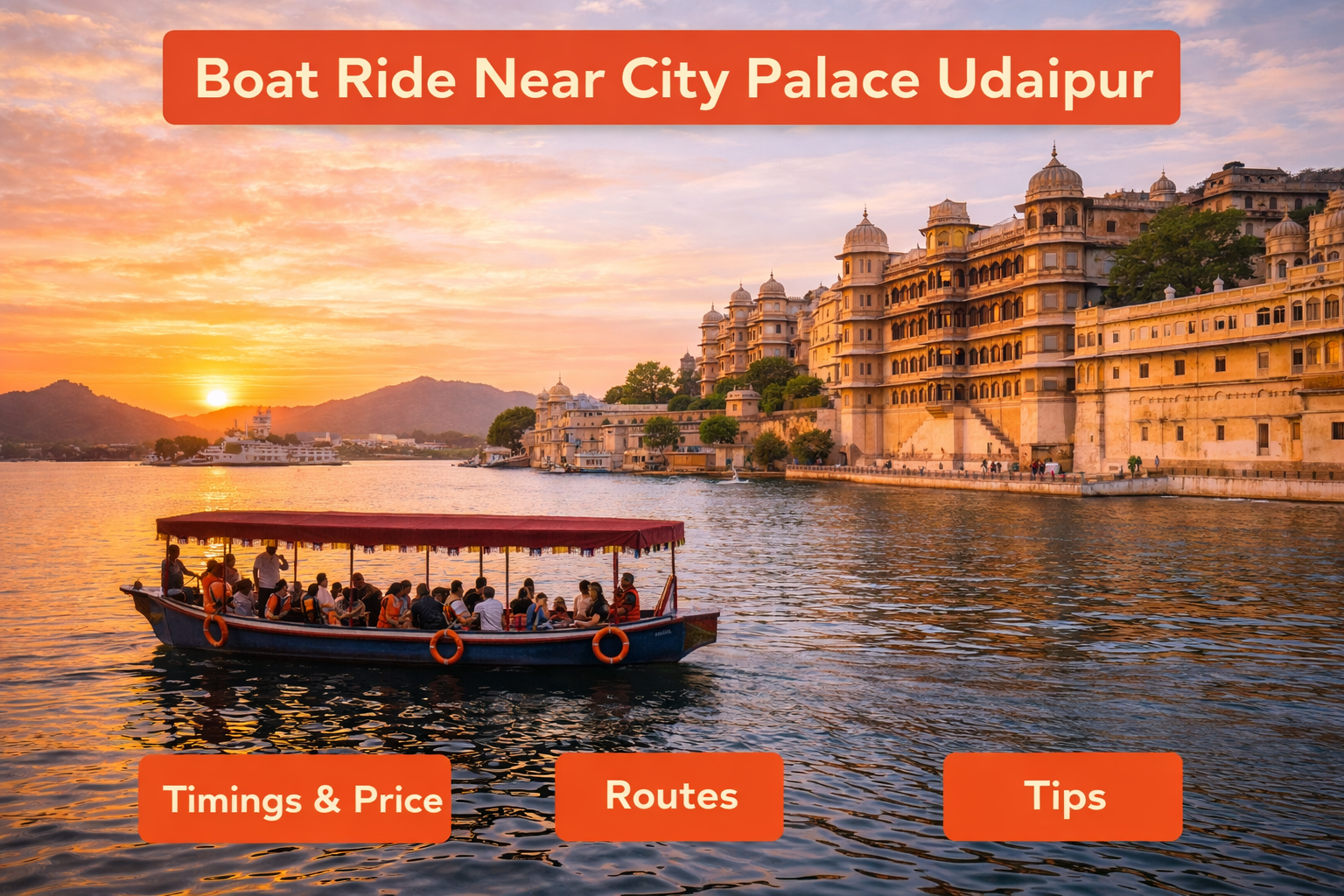
Boat Ride Near City Palace Udaipur: Timings, Price & Tips
-
Best Hotels Near City Palace Udaipur for All Budgets (2026 Guide)

-
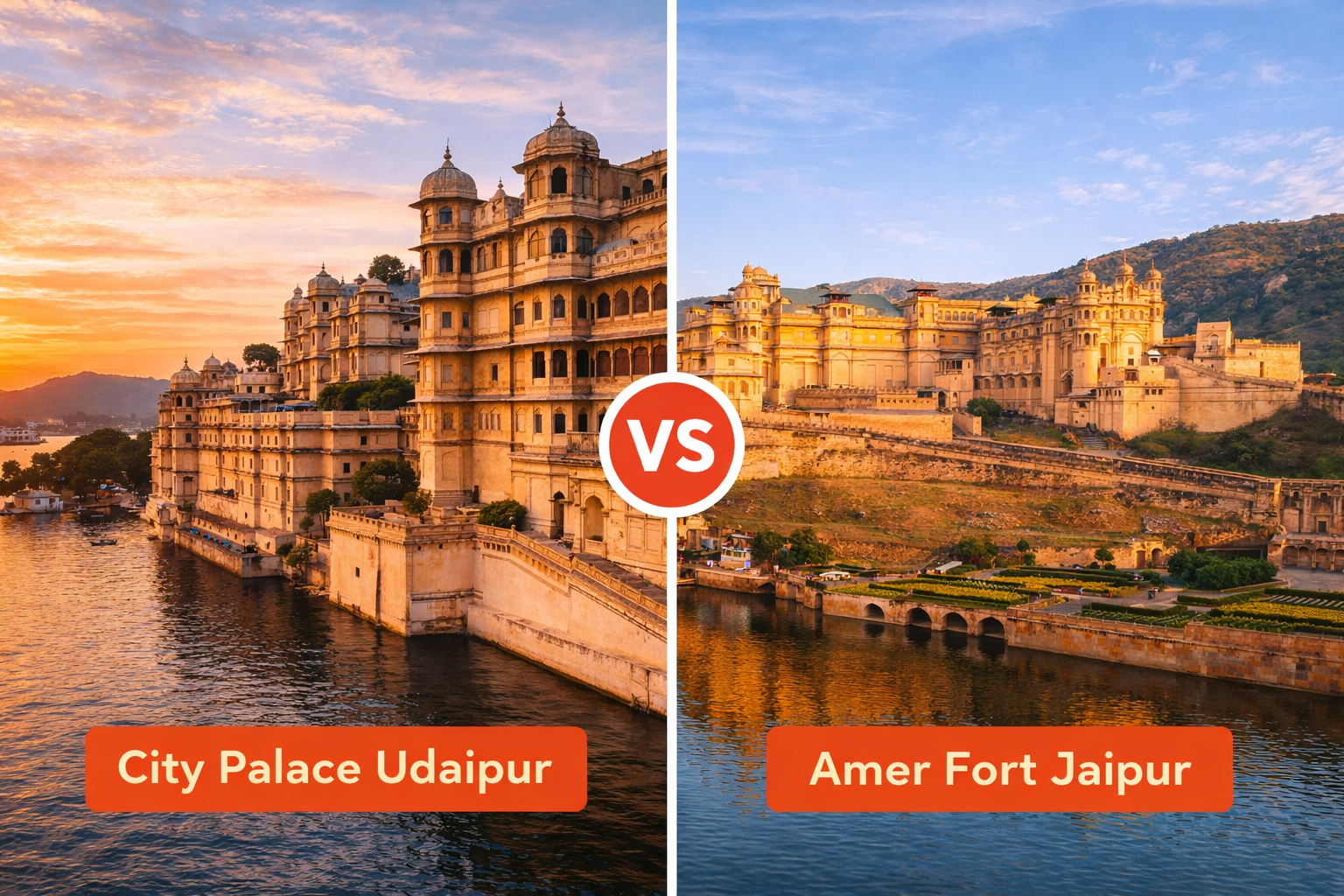
City Palace Udaipur or Amer Fort Jaipur: A Royal Comparison
-
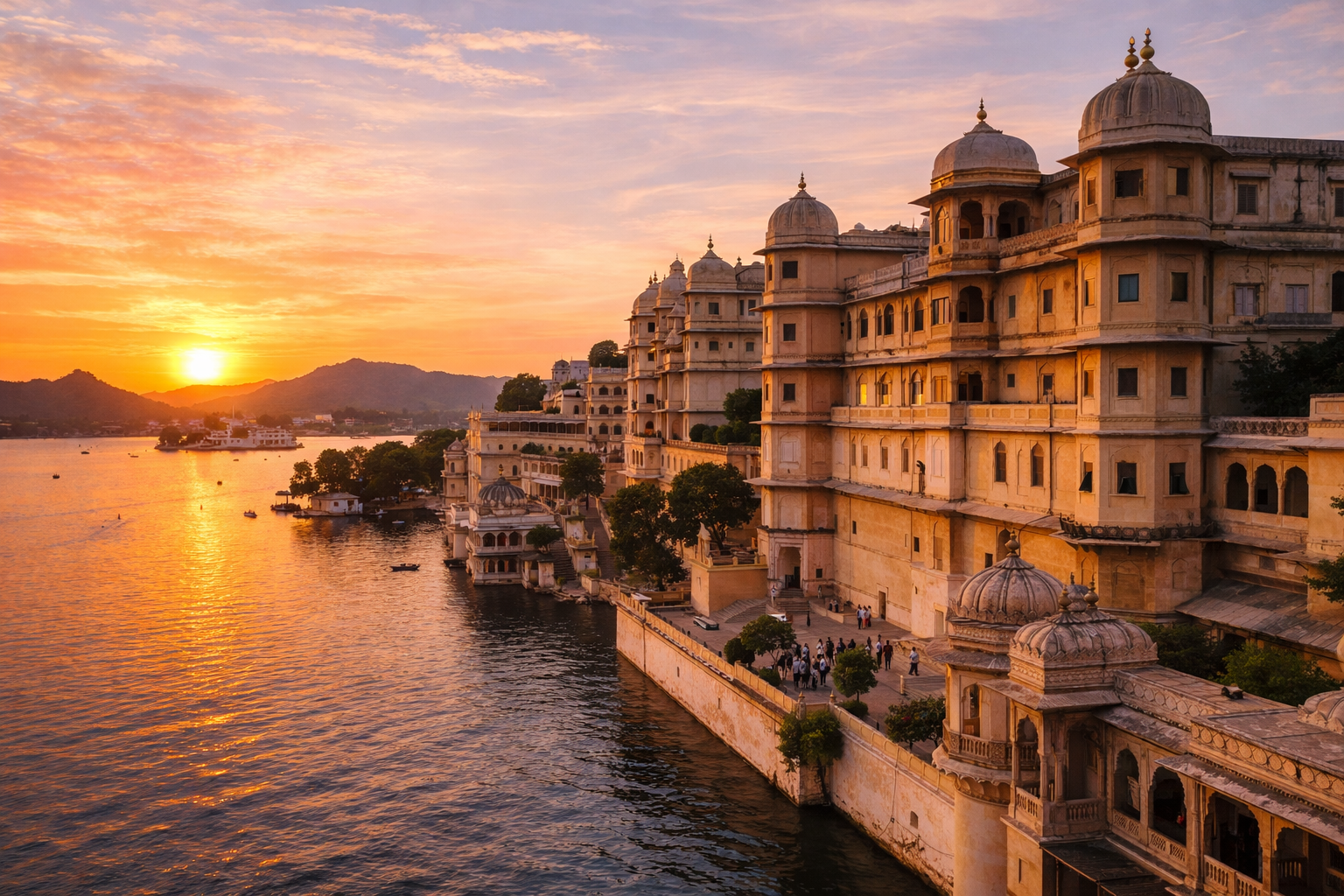
Best Time to Visit City Palace Udaipur for Photography & Sightseeing
-
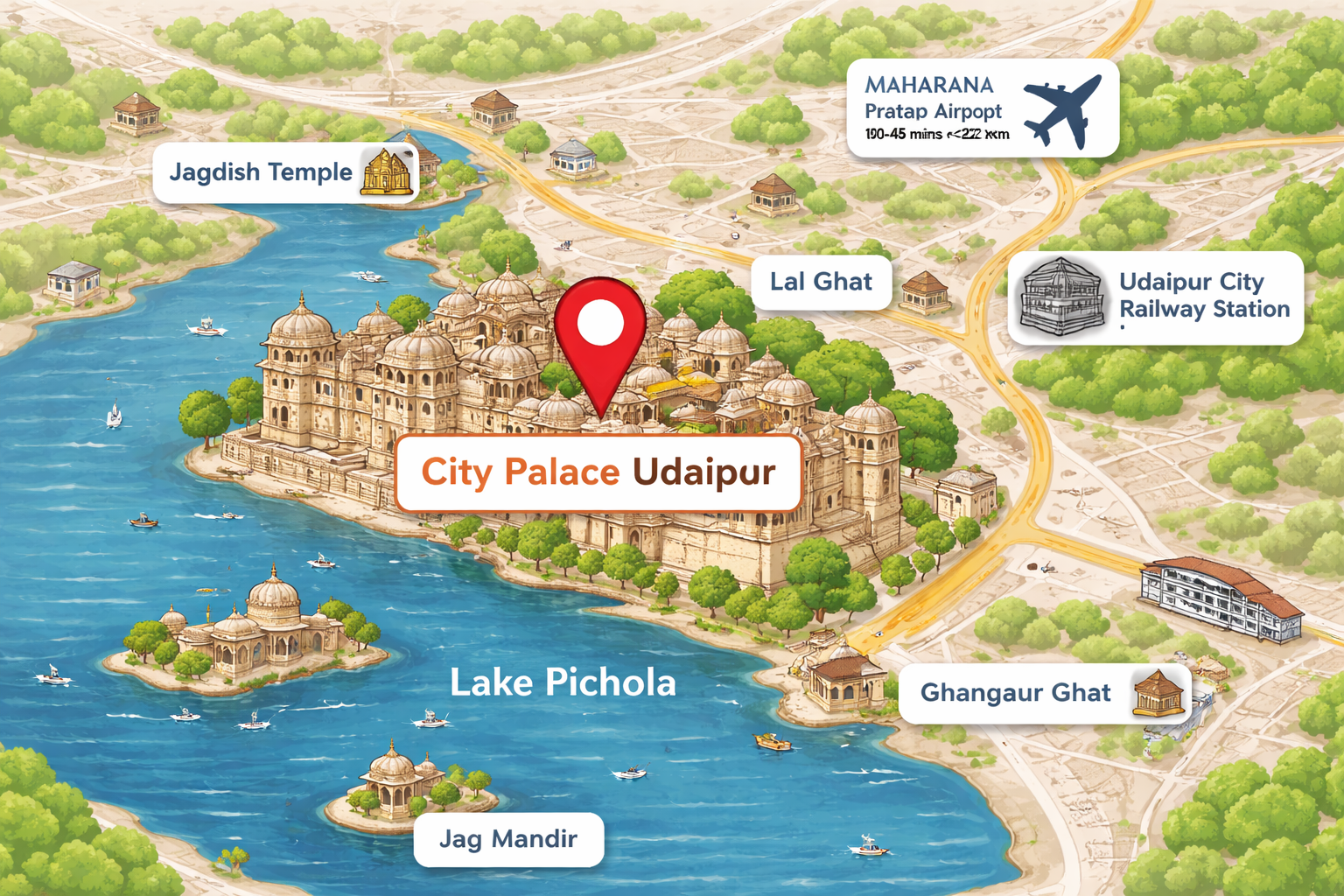
City Palace Udaipur Location, Map & How to Reach Easily
-
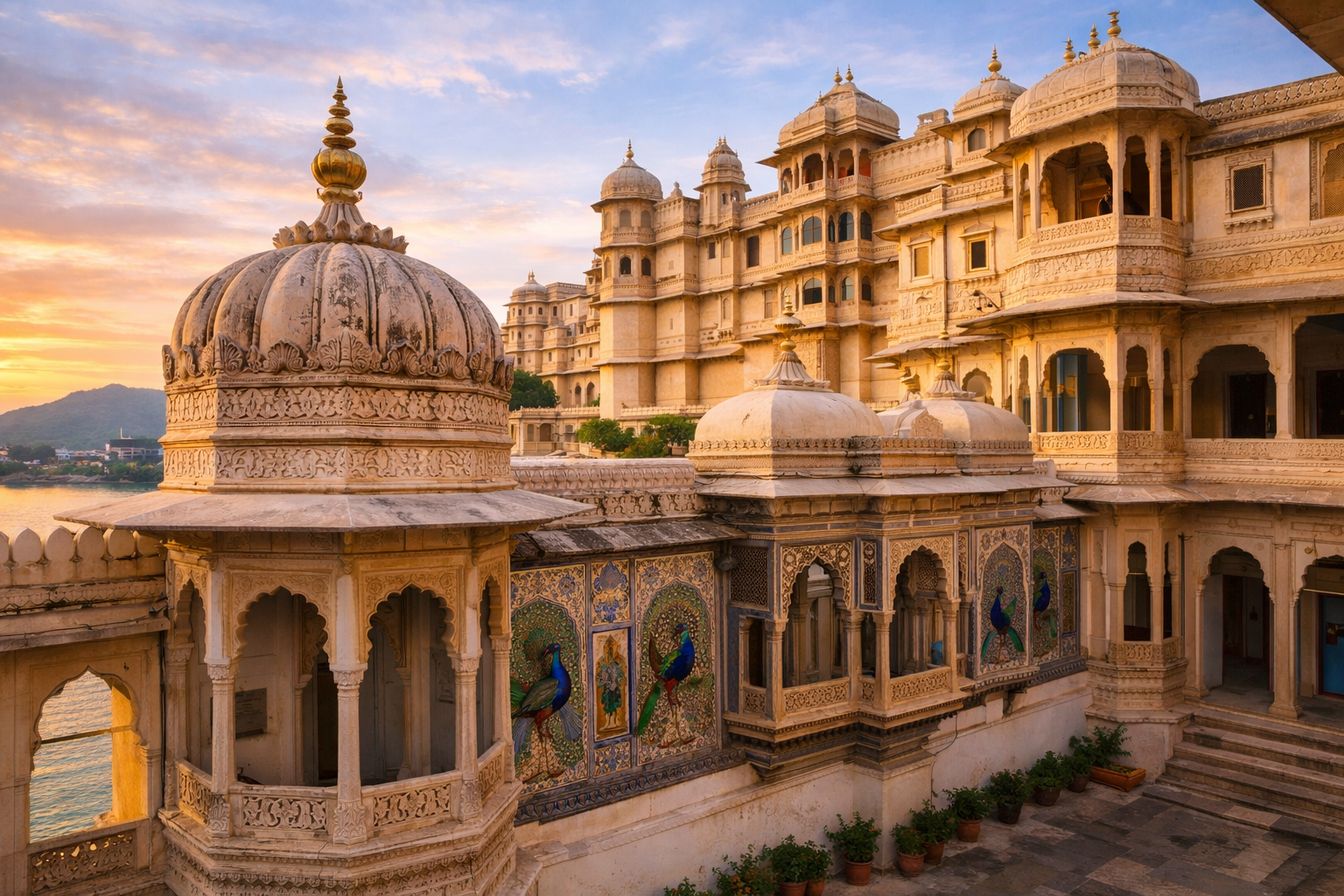
Why Rajasthan Is Called the Land of Royal Palaces: History, Culture, and Tourism Guide
-
How to Plan a 2-Day Udaipur Palace Tour: Perfect Itinerary for First-Time Visitors
-
Top Heritage Palaces in Rajasthan That Reflect Royal Indian Culture

-
Famous Royal Palaces of Udaipur and Their Untold History
-
Complete Travel Guide to Udaipur: Palaces, Lakes, Food, Budget and Travel Tips

-
Best Time to Visit City Palace Udaipur: Weather, Crowd, Festivals and Travel Tips
-
Hidden Facts About City Palace Udaipur That Most Tourists Don’t Know
-
City Palace vs Lake Palace Udaipur: Which One Is Worth Visiting?
-
Maharana Pratap – The Legendary Rajput Warrior and Symbol of Courage
-
Top 10 Tourist Palaces in Rajasthan You Must Visit Once in Your Lifetime
-
City Palace Udaipur: Complete History, Architecture, Timings, Ticket Price and Travel Guide