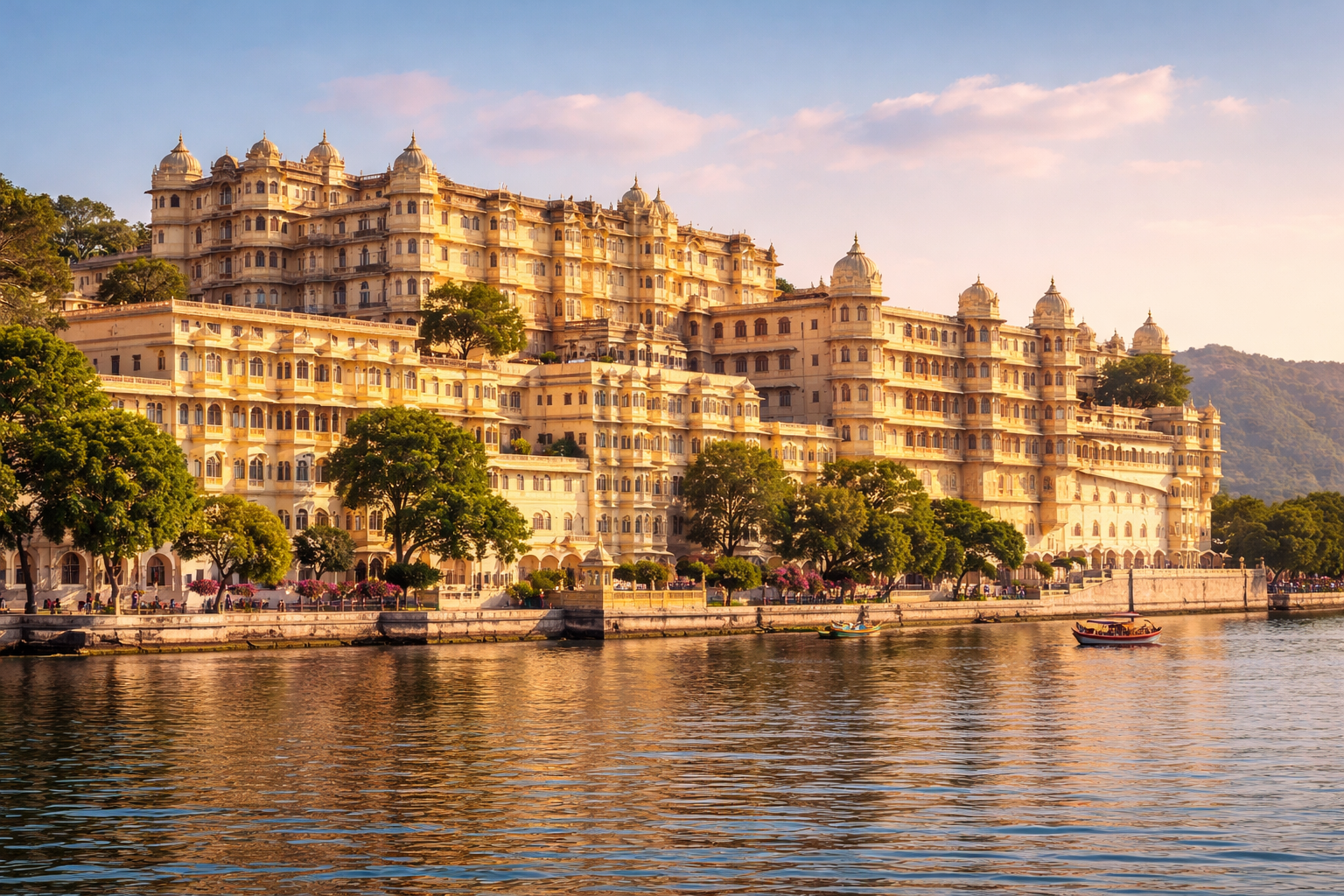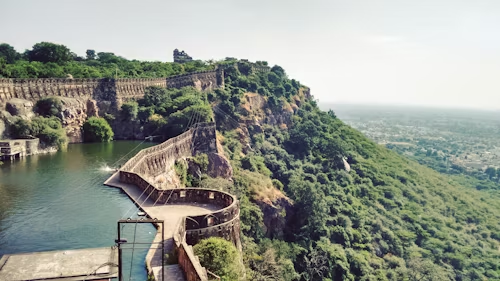
Chittorgarh Fort, Chittorgarh: The Eternal Symbol of Rajput Valor, Sacrifice, and Pride
Perched atop a rocky hill overlooking the plains of southern Rajasthan, Chittorgarh Fort stands as one of the most powerful symbols of India’s heroic past. Vast, formidable, and emotionally stirring, this colossal fort is not merely a monument of stone—it is a sacred site of courage, honor, sacrifice, and unbreakable spirit.
Spread across nearly 700 acres, Chittorgarh Fort is the largest fort in India and one of the largest in Asia. Declared a UNESCO World Heritage Site under the “Hill Forts of Rajasthan,” it represents the zenith of Rajput military architecture and the indomitable will of the Rajput clans, especially the Sisodia dynasty of Mewar.
The fort is renowned for its legendary tales of three great sieges, heroic resistance, and the practice of jauhar, where Rajput women chose self-immolation over capture, preserving honor above life itself. Chittorgarh is not just history—it is a living epic etched into the soul of Rajasthan.
Historical Background of Chittorgarh Fort
The origins of Chittorgarh Fort are ancient and layered with myth and history. The fort is believed to have been founded by Maurya ruler Chitrangada Mori, from whom it derives its name. Later, it became the capital of the Kingdom of Mewar, ruled by the Sisodia Rajputs for centuries.
Chittorgarh flourished as a powerful political, cultural, and military center between the 7th and 16th centuries. Its strategic hilltop location made it nearly impregnable, yet its fame also attracted some of the most powerful invaders in Indian history.
The Three Legendary Sieges of Chittorgarh
1. Siege by Alauddin Khilji (1303)
The first and most famous siege occurred in 1303, when Sultan Alauddin Khilji attacked Chittorgarh. Legend associates this invasion with Khilji’s desire to possess Rani Padmini (Padmavati), renowned for her beauty and virtue.
After months of resistance, the fort fell. Rani Padmini and thousands of women performed jauhar, while Rajput warriors rode out in saffron robes to fight to their deaths—an act known as saka.
2. Siege by Bahadur Shah of Gujarat (1535)
The second siege was led by Bahadur Shah, Sultan of Gujarat. Once again, the women of Chittorgarh committed jauhar, and the men chose death over surrender.
3. Siege by Emperor Akbar (1567–1568)
The final siege was conducted by Mughal Emperor Akbar. Despite fierce resistance by Rana Udai Singh II and Rajput warriors like Jaimal and Patta, the fort eventually fell. After this defeat, the capital of Mewar was shifted to Udaipur.
These sieges transformed Chittorgarh into a symbol of Rajput honor and martyrdom.
Architectural Grandeur of Chittorgarh Fort
Chittorgarh Fort rises about 180 meters above the plains and stretches over a perimeter of nearly 13 kilometers. Built primarily from stone, it is a self-contained city with palaces, temples, reservoirs, towers, and gates.
Key Architectural Features:
-
Massive stone walls and bastions
-
Seven gigantic entrance gates (pols)
-
Palaces, temples, and victory towers
-
Advanced water conservation systems
The fort once housed over 80 water bodies, ensuring survival during prolonged sieges.
The Seven Gates of Chittorgarh Fort
Entry to the fort is through a series of seven fortified gates, each designed to slow invaders and enhance defense:
-
Padan Pol
-
Bhairon Pol
-
Hanuman Pol
-
Ganesh Pol
-
Jodla Pol
-
Lakshman Pol
-
Ram Pol
Each gate stands as a testament to Rajput military engineering.
Major Attractions Inside Chittorgarh Fort
1. Rana Kumbha Palace
The Rana Kumbha Palace is the largest and most historically significant structure within the fort. It was the residence of Maharana Kumbha, one of Mewar’s greatest rulers.
This palace is also associated with:
-
Birthplace of Maharana Udai Singh II
-
Site of Rani Padmini’s jauhar
Though now in ruins, its massive halls, courtyards, and underground chambers echo stories of royal life and tragedy.
2. Rani Padmini Palace
Located near a lotus pool, the Rani Padmini Palace is a graceful white structure believed to have been the residence of the legendary queen.
According to tradition, Alauddin Khilji was shown Rani Padmini’s reflection in water from this palace—an event that later led to his invasion. While historical accuracy is debated, the palace remains a powerful symbol of Rajput honor.
3. Vijay Stambh (Tower of Victory)
The Vijay Stambh is one of the most magnificent victory towers in India. Built in the 15th century by Maharana Kumbha to celebrate victory over Mahmud Khilji of Malwa, the tower rises 37 meters high.
Key highlights:
-
Nine stories
-
Intricate carvings of Hindu deities
-
Inscriptions praising Mewar’s rulers
It symbolizes triumph, faith, and resilience.
4. Kirti Stambh (Tower of Fame)
Dedicated to Jain Tirthankara Adinath, the Kirti Stambh is older than Vijay Stambh and reflects Jain architectural influence.
Its elegant carvings and inscriptions showcase the religious diversity and tolerance of Mewar rulers.
5. Meera Temple
Dedicated to Meera Bai, the mystic poet-saint and devotee of Lord Krishna, this temple is a place of spiritual significance.
Meera Bai’s devotion, poetry, and defiance of royal norms make her one of Rajasthan’s most beloved historical figures.
6. Kalika Mata Temple
Originally built as a Sun Temple in the 8th century, it was later converted into the Kalika Mata Temple, dedicated to Goddess Kali.
The temple highlights the continuity of worship within the fort.
Water Management and Engineering Excellence
Chittorgarh Fort once had 84 water reservoirs, of which many still exist. These included:
-
Stepwells
-
Tanks
-
Kunds
This advanced water system enabled the fort to withstand long sieges and droughts, showcasing remarkable medieval engineering.
Cultural and Symbolic Importance
Chittorgarh is the spiritual heart of Mewar and Rajasthan. It represents:
-
Rajput bravery and sacrifice
-
Honor above life
-
Resistance against oppression
Festivals, folk songs, and legends across Rajasthan continue to celebrate Chittorgarh’s heroes and heroines.
Chittorgarh Fort in Literature and Popular Culture
The fort has inspired:
-
Rajput ballads and folk songs
-
Historical novels and poetry
-
Films such as Padmaavat
Its stories continue to influence Indian cultural consciousness.
Best Time to Visit Chittorgarh Fort
-
October to March: Best weather
-
Early mornings or late afternoons for exploration
-
Avoid peak summer afternoons
Visitor Tips
-
Allocate 4–5 hours to explore the fort
-
Wear comfortable walking shoes
-
Carry water and sun protection
-
Hire a local guide for historical insight
-
Respect the site’s emotional and cultural significance
Light and Sound Show
The evening Light and Sound Show narrates the heroic history of Chittorgarh with dramatic visuals and narration, bringing its legends to life.
Conclusion
Chittorgarh Fort is not just a destination—it is a pilgrimage for those who seek to understand India’s heroic past. Its massive walls, ruined palaces, sacred temples, and towering monuments stand as silent witnesses to some of the most powerful stories of courage and sacrifice ever told.
Walking through Chittorgarh is like stepping into an epic where honor was greater than fear and freedom was valued above life itself. It remains, forever, the immortal soul of Rajputana.
-
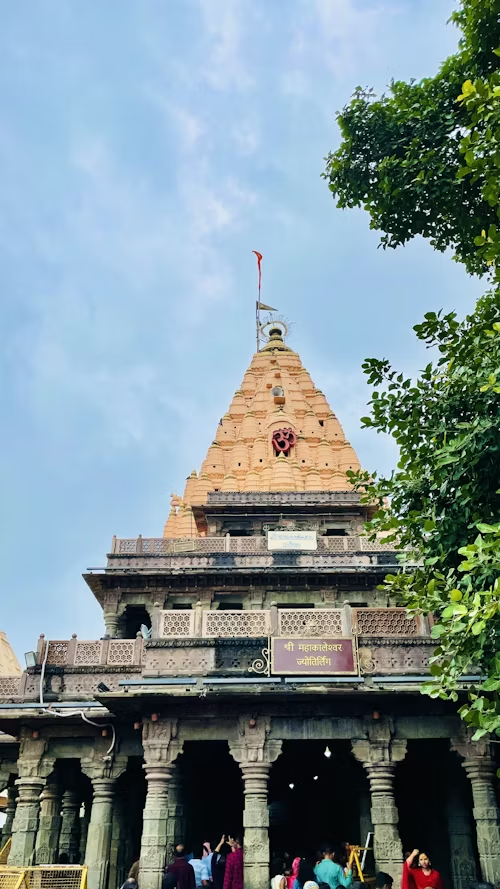
Mahakaleshwar Jyotirlinga, Ujjain: The Eternal Lord of Time and One of the Holiest Shiva Shrines in India
-
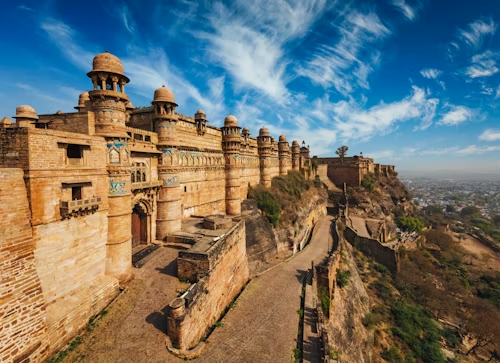
Gwalior Fort: The Majestic Crown of Central India’s History and Heritage
-
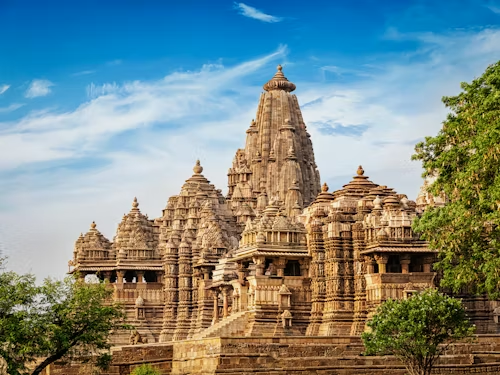
Khajuraho Temples: A Timeless UNESCO World Heritage Site of Art, Spirituality, and Sensuality
-
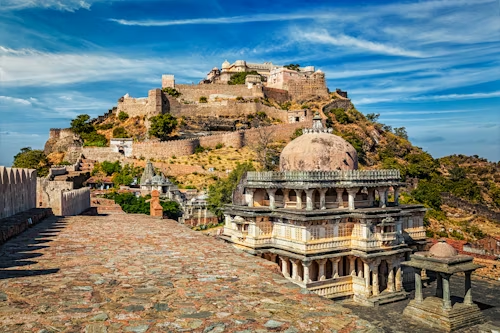
Kumbhalgarh Fort, Rajsamand: The Great Wall of India and the Invincible Pride of Mewar
-
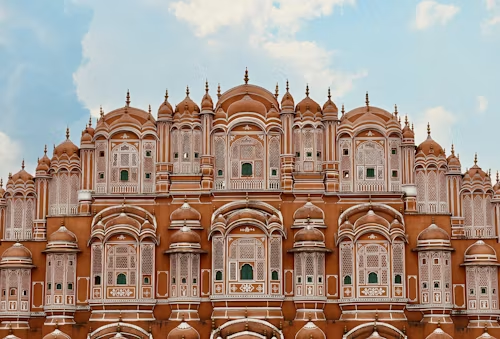
Hawa Mahal, Jaipur: The Iconic Palace of Winds and the Soul of the Pink City
-
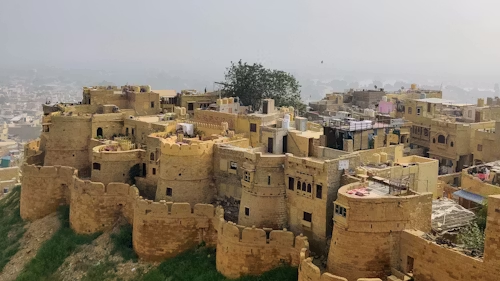
Jaisalmer Fort, Jaisalmer: The Golden Living Fort of the Thar Desert
-
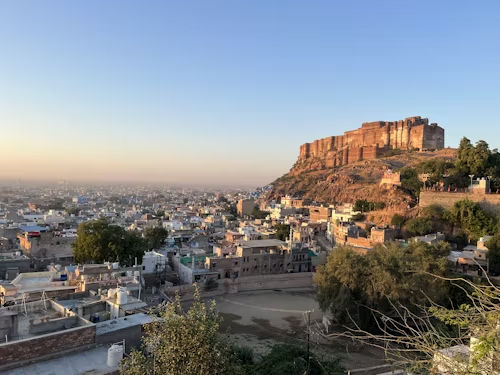
Mehrangarh Fort, Jodhpur: The Majestic Guardian of the Blue City
-
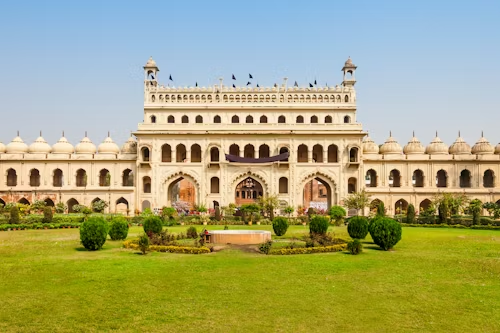
City Palace, Jaipur: The Timeless Heart of Rajasthan’s Royal Legacy
-
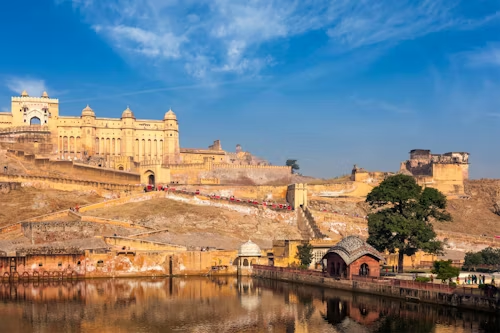
Amer Fort (Amber Palace), Jaipur: A Majestic Symbol of Rajasthan’s Royal Heritage
-
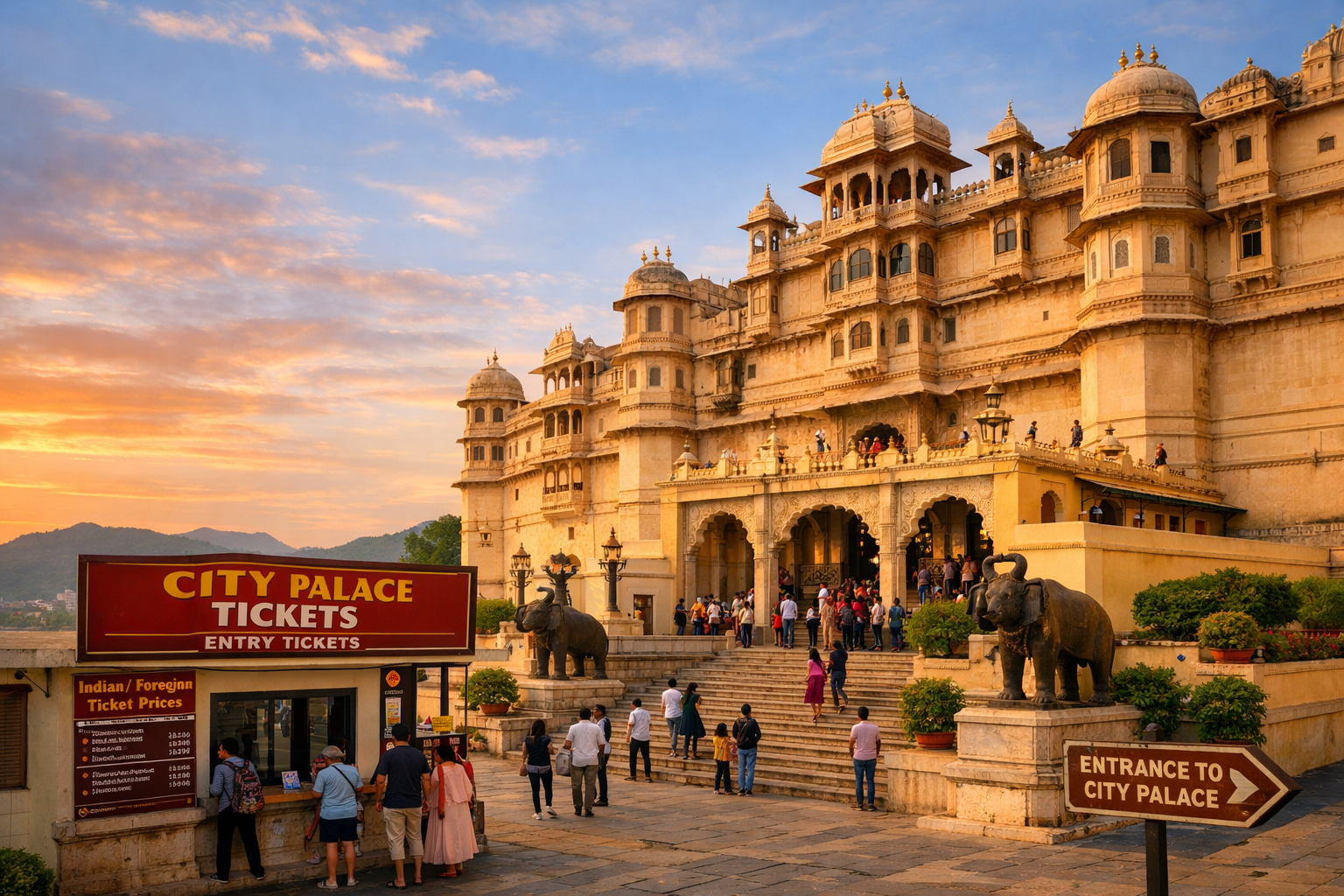
City Palace Udaipur Travel Tips for Families, Couples & Solo Travelers
-
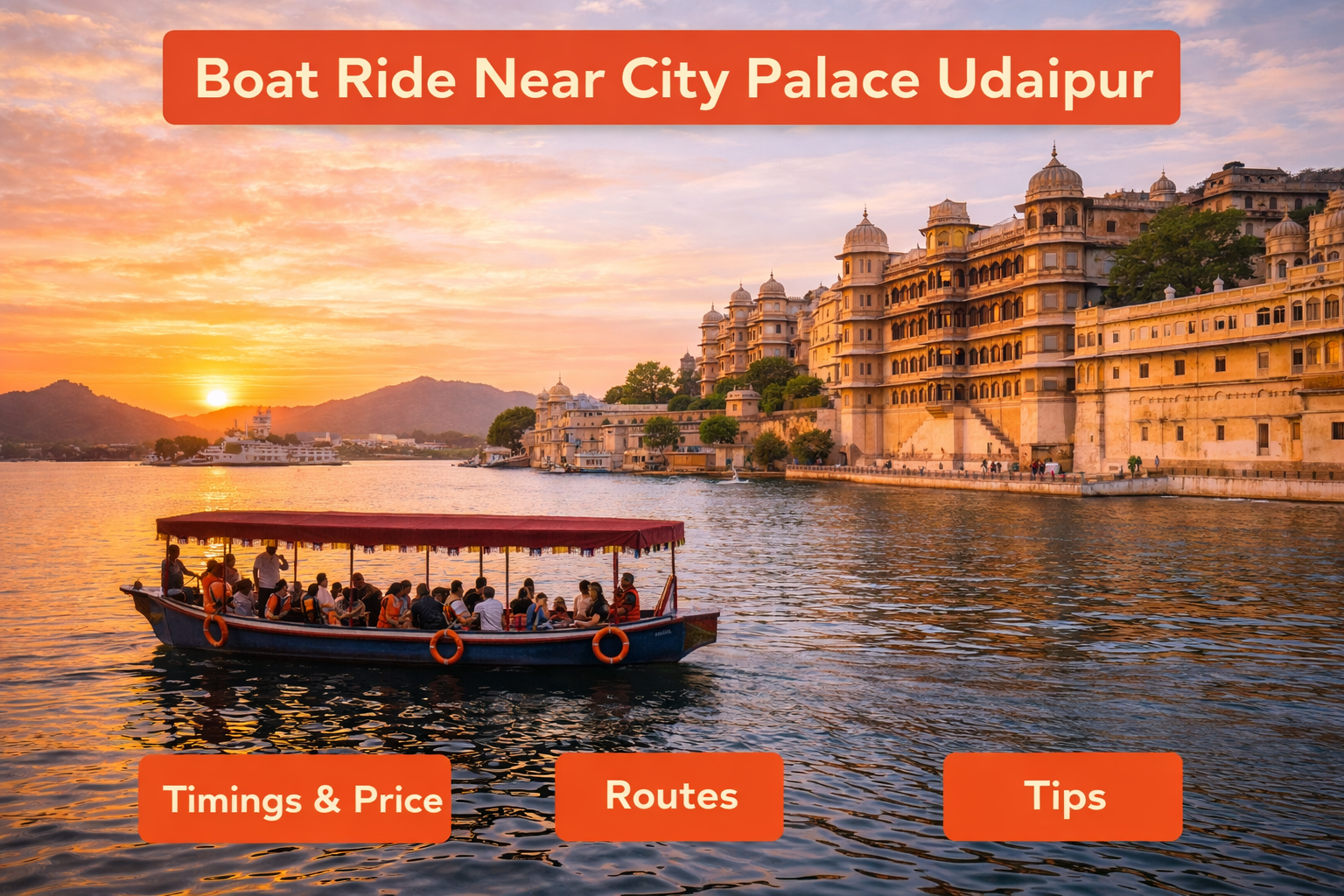
Boat Ride Near City Palace Udaipur: Timings, Price & Tips
-
Best Hotels Near City Palace Udaipur for All Budgets (2026 Guide)

-
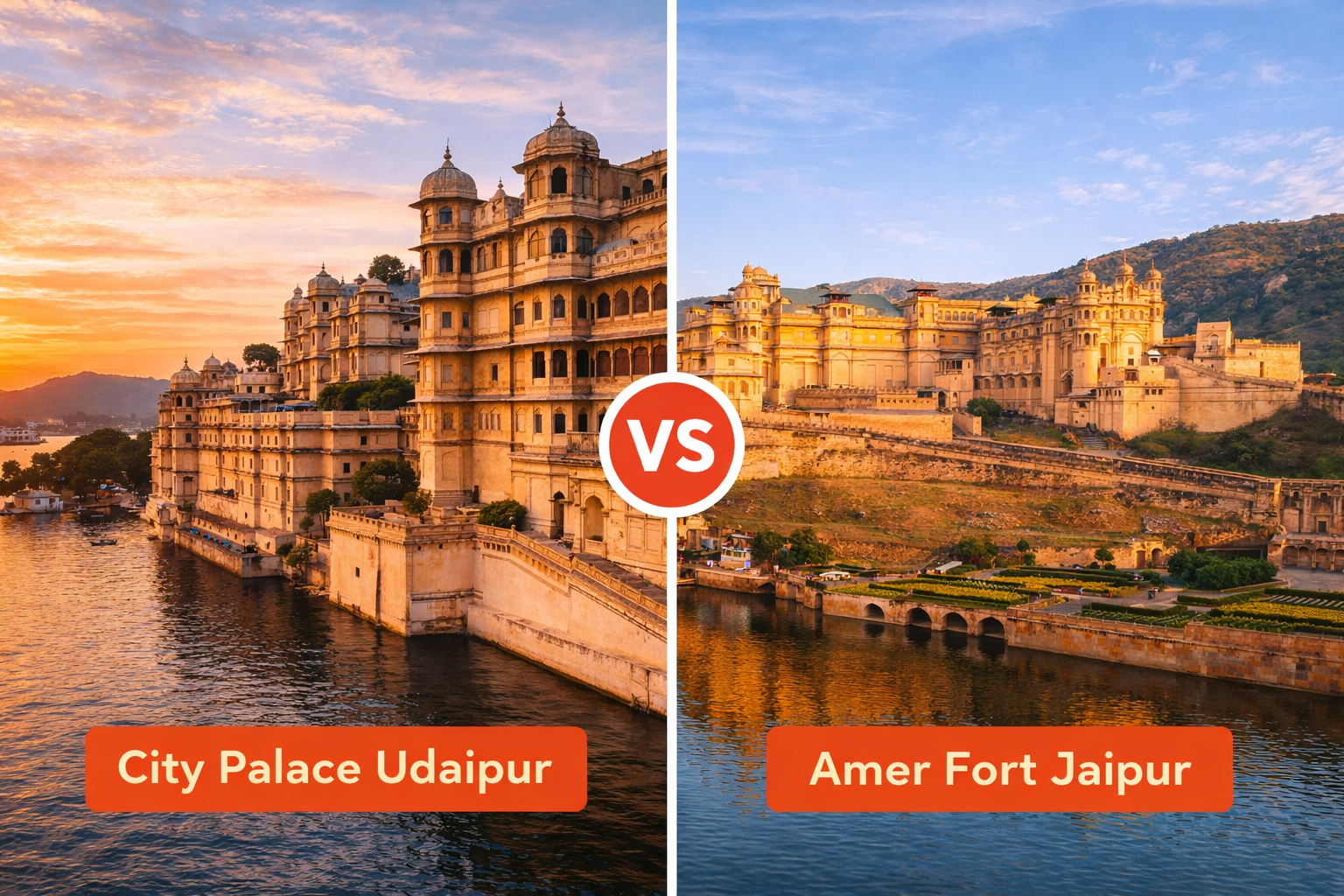
City Palace Udaipur or Amer Fort Jaipur: A Royal Comparison
-
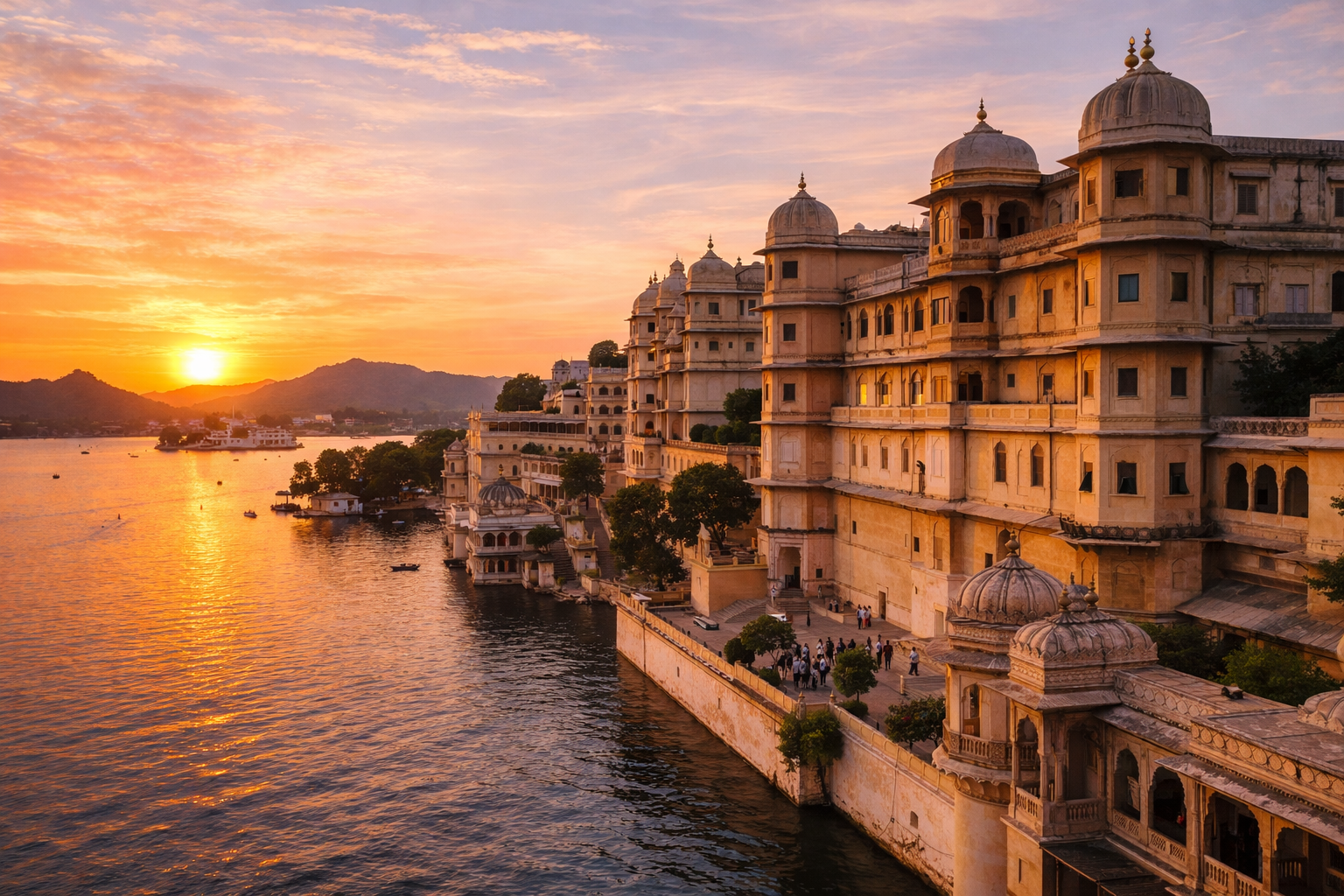
Best Time to Visit City Palace Udaipur for Photography & Sightseeing
-
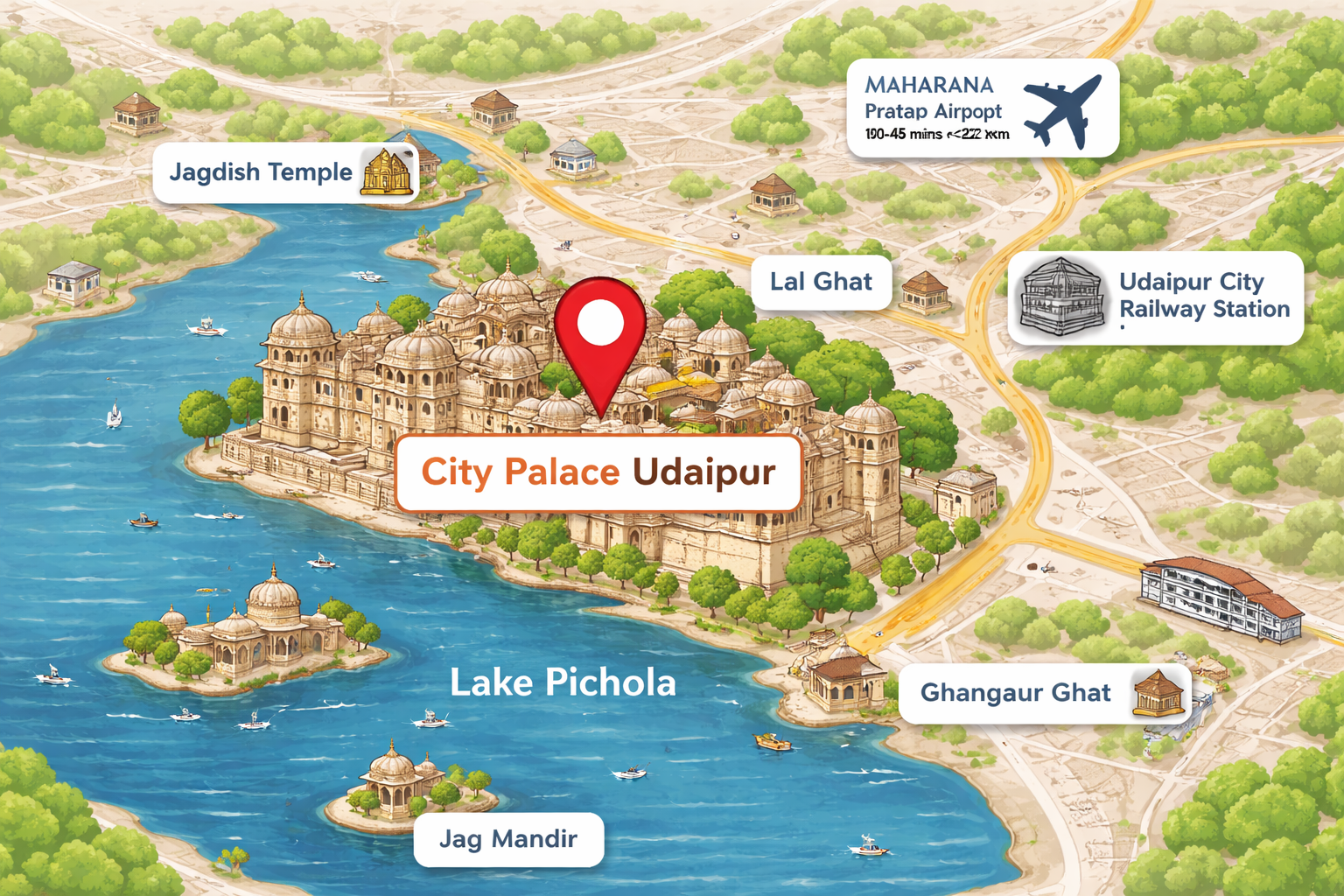
City Palace Udaipur Location, Map & How to Reach Easily
-
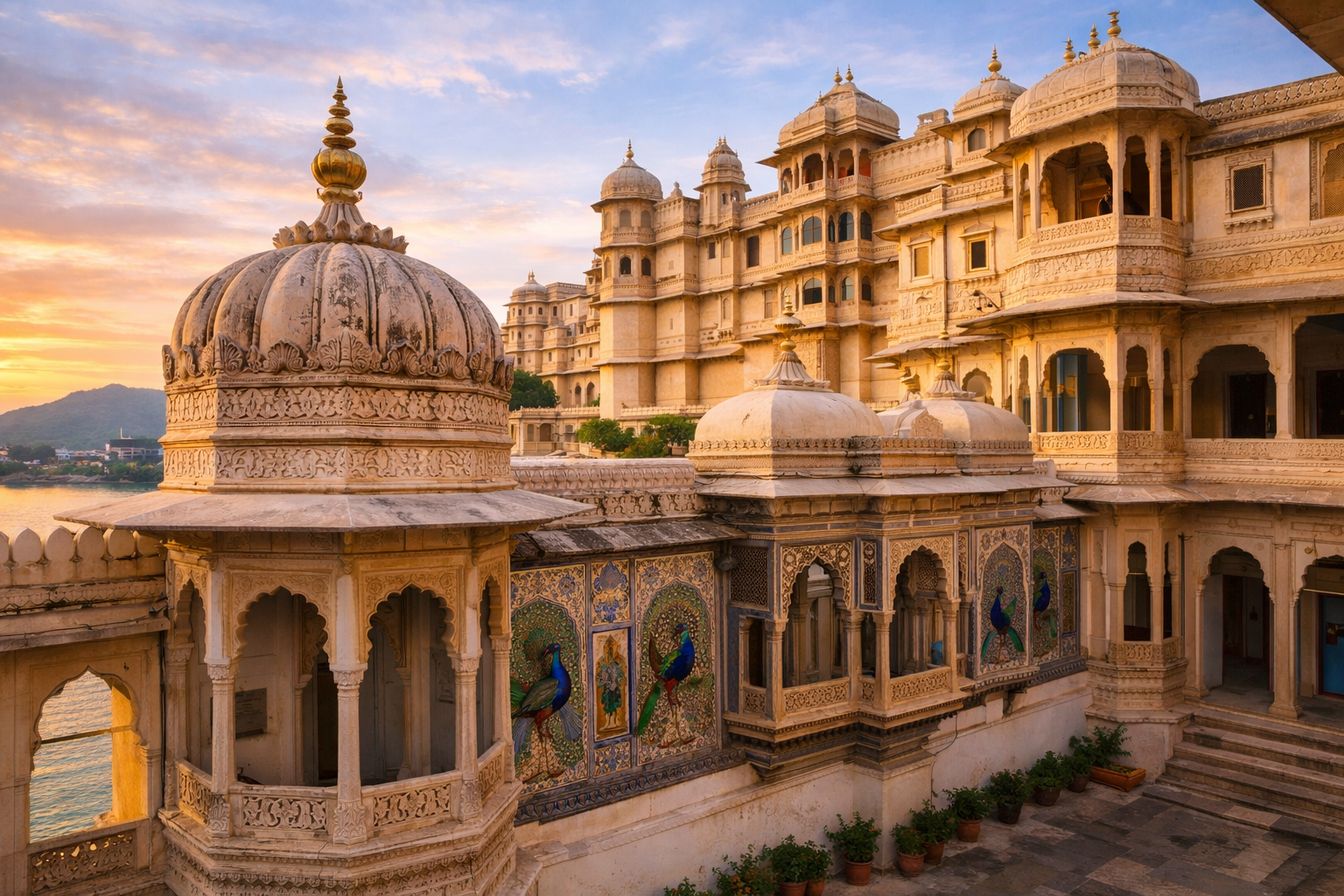
Why Rajasthan Is Called the Land of Royal Palaces: History, Culture, and Tourism Guide
-
How to Plan a 2-Day Udaipur Palace Tour: Perfect Itinerary for First-Time Visitors
-
Top Heritage Palaces in Rajasthan That Reflect Royal Indian Culture
-
Famous Royal Palaces of Udaipur and Their Untold History
-
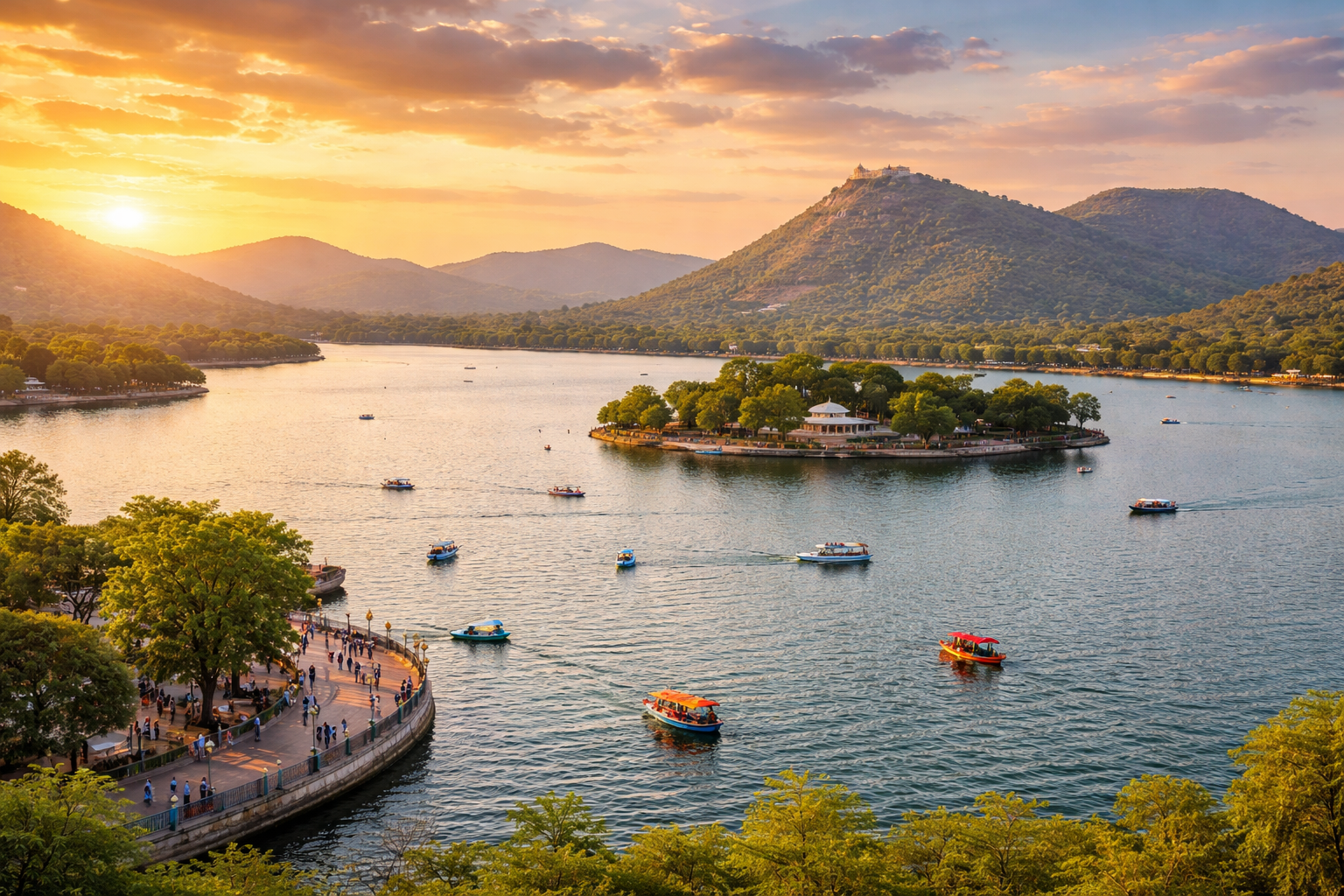
Complete Travel Guide to Udaipur: Palaces, Lakes, Food, Budget and Travel Tips
-
Best Time to Visit City Palace Udaipur: Weather, Crowd, Festivals and Travel Tips
-
Hidden Facts About City Palace Udaipur That Most Tourists Don’t Know
-
City Palace vs Lake Palace Udaipur: Which One Is Worth Visiting?
-
Maharana Pratap – The Legendary Rajput Warrior and Symbol of Courage
-
Top 10 Tourist Palaces in Rajasthan You Must Visit Once in Your Lifetime
-
City Palace Udaipur: Complete History, Architecture, Timings, Ticket Price and Travel Guide