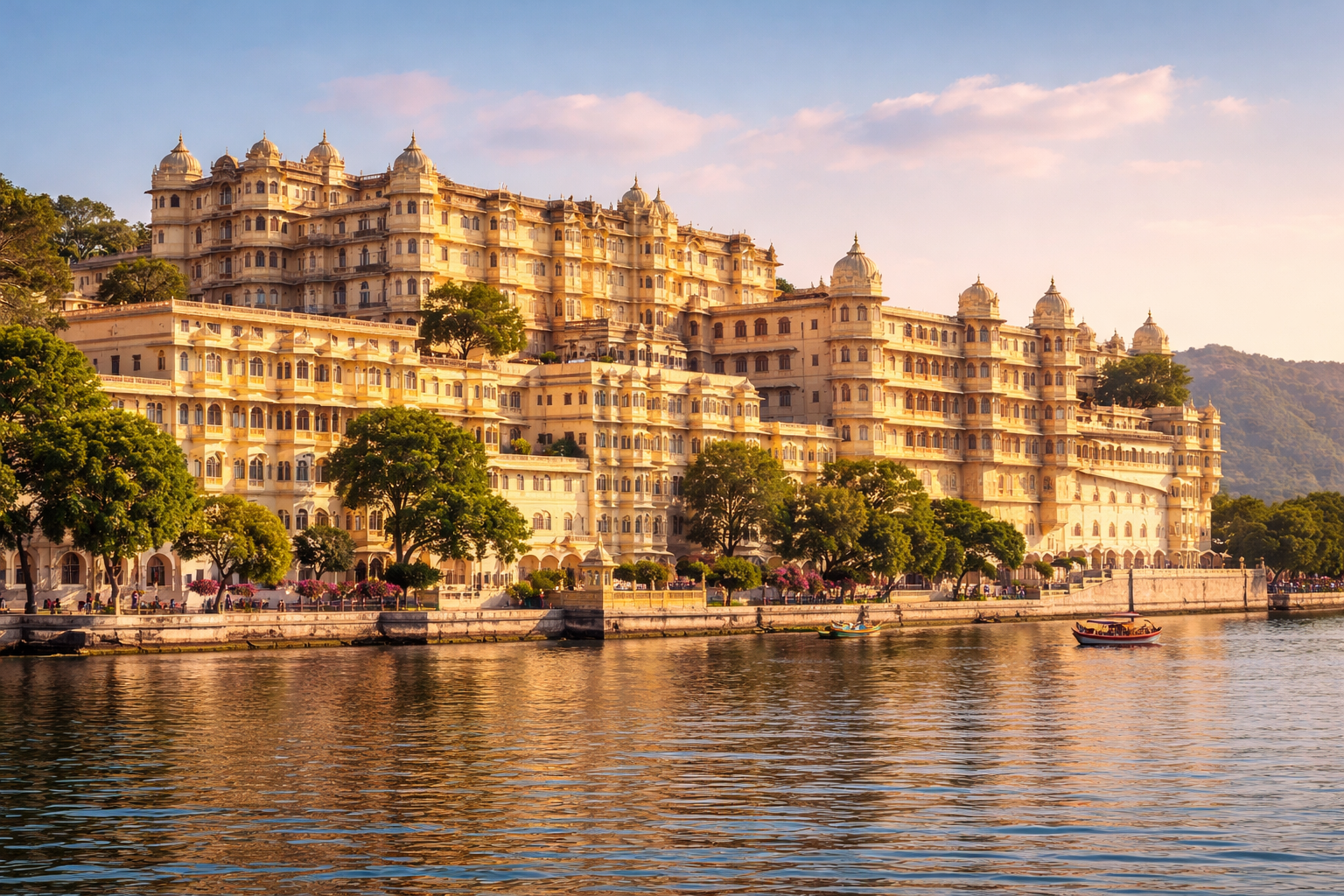
City Palace, Jaipur: The Timeless Heart of Rajasthan’s Royal Legacy
Located in the very heart of Jaipur, the City Palace stands as a magnificent testament to the grandeur, culture, and vision of Rajasthan’s royal heritage. Surrounded by the bustling streets of the Pink City, this vast palace complex is not just an architectural marvel but also a living symbol of Jaipur’s history, governance, and royal traditions. With its elegant courtyards, ornate gates, museums, and royal residences, City Palace offers visitors a fascinating journey into the regal lifestyle of the Kachwaha Rajput rulers.
Built at the time when Jaipur itself was founded, City Palace beautifully blends Rajput, Mughal, and European architectural styles, making it one of the most important historical monuments in India. Even today, a part of the palace serves as the residence of the former royal family, maintaining a direct link between the past and the present.
Historical Background of City Palace
The story of City Palace begins in the early 18th century with Maharaja Sawai Jai Singh II, the founder of Jaipur. Before Jaipur, the capital of the Kachwaha dynasty was Amer. However, due to growing population and water scarcity, Sawai Jai Singh II decided to establish a new, well-planned capital city.
Construction of City Palace began around 1727, and the palace complex evolved over several decades as successive rulers added new buildings, courtyards, and decorative elements. Designed according to Vastu Shastra and principles of urban planning, the palace was intended to be the administrative and ceremonial center of the kingdom.
City Palace symbolized not only royal power but also intellectual and cultural advancement. Maharaja Sawai Jai Singh II was a scholar, astronomer, and visionary ruler, and his progressive thinking is reflected in the palace’s design and layout.
Architectural Style and Layout
City Palace is a sprawling complex covering nearly one-seventh of Jaipur’s old city area. It is enclosed by high walls and accessed through grand gates, ensuring privacy and security.
The architecture is a harmonious fusion of:
-
Rajput architecture – chhatris, jharokhas, courtyards
-
Mughal architecture – arches, domes, symmetry
-
European influences – decorative columns, interior detailing
The palace complex consists of several buildings, courtyards, gardens, and museums, each with its own unique character and historical significance.
Major Attractions Inside City Palace
1. Mubarak Mahal
One of the first buildings visitors encounter is Mubarak Mahal, meaning “Auspicious Palace.” Originally built as a reception center for visiting dignitaries, it now houses the Textile and Costume Museum.
The museum displays an extraordinary collection of royal garments, including:
-
Elaborately embroidered robes
-
Silk sarees and shawls
-
Royal turbans and costumes
-
Garments worn by past maharajas
The architecture of Mubarak Mahal combines Islamic, Rajput, and European styles, symbolizing the cosmopolitan outlook of Jaipur’s rulers.
2. Diwan-e-Aam (Hall of Public Audience)
The Diwan-e-Aam was the place where the maharaja met common people, heard petitions, and addressed public matters. This spacious hall is adorned with ornate columns, chandeliers, and decorative arches.
One of the main highlights here is the display of:
-
Ancient weapons
-
Decorative artifacts
-
Two massive silver urns, considered among the largest silver objects in the world
These urns were once used by Maharaja Sawai Madho Singh II to carry Ganga water to England.
3. Diwan-e-Khas (Hall of Private Audience)
The Diwan-e-Khas was reserved for meetings with ministers, nobles, and foreign dignitaries. Compared to Diwan-e-Aam, it is more refined and ceremonial.
The hall showcases:
-
Royal thrones
-
Portraits of Jaipur’s rulers
-
Artifacts reflecting diplomatic relations
The ambiance of Diwan-e-Khas reflects authority, elegance, and exclusivity.
4. Chandra Mahal
The Chandra Mahal is the most iconic structure within City Palace. This seven-story building still serves as the residence of the former royal family of Jaipur.
Each floor has a distinct theme and name, and while only the ground floor is open to the public, it offers a glimpse into royal life through:
-
Vintage photographs
-
Royal manuscripts
-
Paintings and artifacts
Chandra Mahal dominates the skyline of the City Palace complex and represents continuity of royal tradition.
5. Pritam Niwas Chowk
Perhaps the most photographed section of City Palace, Pritam Niwas Chowk is a vibrant courtyard known for its four beautifully decorated gates, each representing a season and dedicated to a Hindu deity.
The Four Famous Gates:
-
Peacock Gate – Symbolizing autumn, dedicated to Lord Vishnu
-
Lotus Gate – Representing summer, associated with Lord Shiva
-
Green Gate (Leheriya Gate) – Signifying spring, dedicated to Lord Ganesha
-
Rose Gate – Representing winter, dedicated to Goddess Devi
The intricate artwork, colorful patterns, and symbolic meanings make this courtyard a visual delight.
6. Maharani’s Palace (Rajmata Palace)
This section of City Palace now serves as a museum displaying:
-
Portraits of royal women
-
Royal costumes and jewelry
-
Artifacts related to queens and princesses
The museum highlights the lifestyle, influence, and cultural role of royal women in Jaipur’s history.
Museums and Art Collections
City Palace is also a treasure house of art and history. Its museums contain:
-
Miniature paintings depicting royal processions and festivals
-
Manuscripts and ancient texts
-
Weaponry such as swords, daggers, and firearms
-
Decorative arts, furniture, and ceremonial objects
These collections offer valuable insight into Jaipur’s artistic traditions and royal administration.
Cultural and Historical Importance
City Palace is not just a historical monument—it is the cultural nucleus of Jaipur. It has witnessed coronations, royal weddings, diplomatic meetings, and major political decisions.
Even today, the palace plays a role in cultural preservation by hosting:
-
Traditional festivals
-
Exhibitions
-
Royal ceremonies
Its continued use by the royal family makes it a living heritage site rather than a relic of the past.
Best Time to Visit City Palace
-
October to March: Best season due to pleasant weather
-
Early mornings: Fewer crowds and better photography light
-
Weekdays: Less crowded compared to weekends
Summers can be extremely hot, so visiting during cooler hours is recommended.
Visitor Information and Travel Tips
-
Wear modest and comfortable clothing
-
Allocate at least 2–3 hours for exploration
-
Audio guides and official guides are available
-
Photography is allowed in most areas (extra charges may apply)
-
Respect restricted areas, especially near royal residences
City Palace and Jaipur Tourism
City Palace is centrally located and easily accessible from:
-
Hawa Mahal
-
Jantar Mantar (UNESCO World Heritage Site)
-
Johari Bazaar and Bapu Bazaar
It forms the core of Jaipur’s Golden Triangle tourism circuit (Delhi–Agra–Jaipur).
Conclusion
City Palace, Jaipur, is a remarkable blend of history, architecture, and living tradition. It reflects the foresight of its founder, the artistic brilliance of its builders, and the enduring legacy of Rajasthan’s royal heritage.
Walking through its courtyards and halls, visitors can experience centuries of royal life—where power met art, tradition met innovation, and history continues to breathe through stone and marble. A visit to Jaipur is truly incomplete without exploring the City Palace, the beating heart of the Pink City.
-
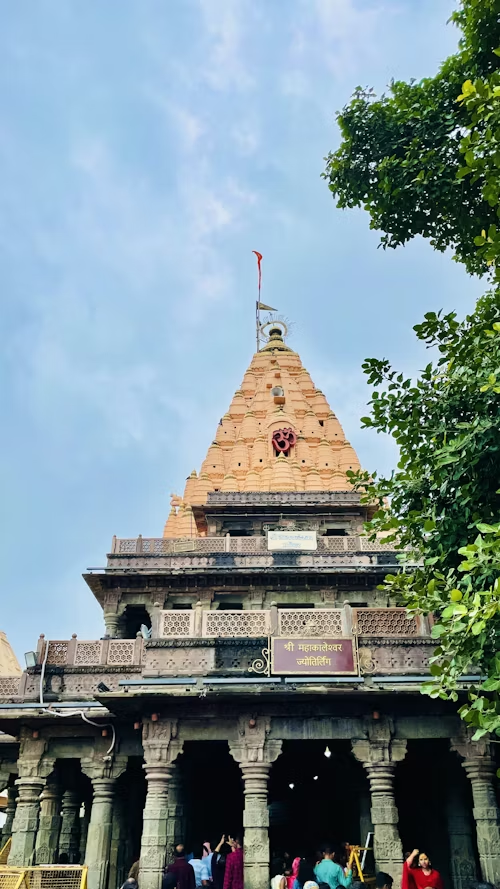
Mahakaleshwar Jyotirlinga, Ujjain: The Eternal Lord of Time and One of the Holiest Shiva Shrines in India
-
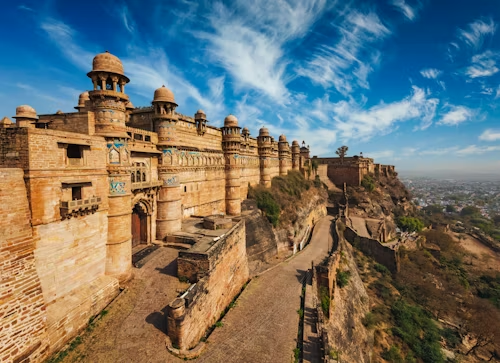
Gwalior Fort: The Majestic Crown of Central India’s History and Heritage
-
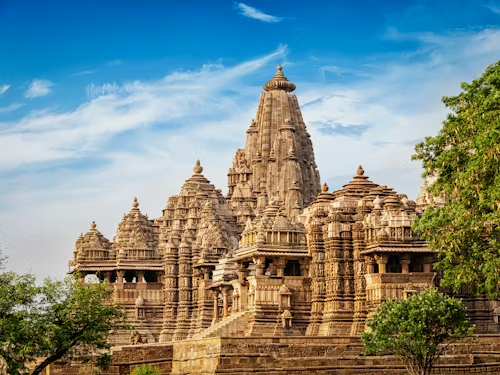
Khajuraho Temples: A Timeless UNESCO World Heritage Site of Art, Spirituality, and Sensuality
-
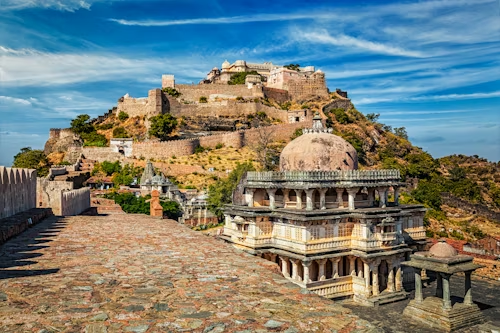
Kumbhalgarh Fort, Rajsamand: The Great Wall of India and the Invincible Pride of Mewar
-
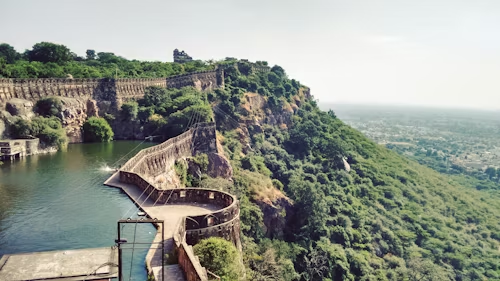
Chittorgarh Fort, Chittorgarh: The Eternal Symbol of Rajput Valor, Sacrifice, and Pride
-
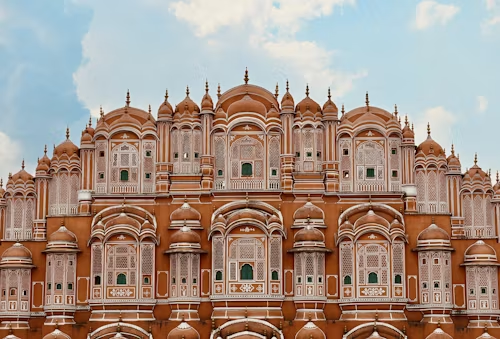
Hawa Mahal, Jaipur: The Iconic Palace of Winds and the Soul of the Pink City
-
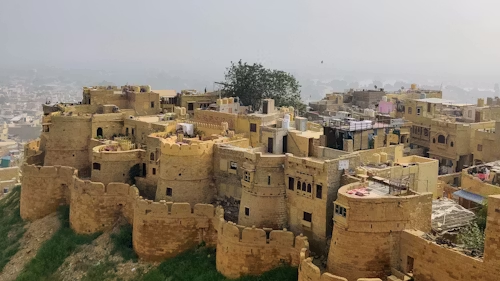
Jaisalmer Fort, Jaisalmer: The Golden Living Fort of the Thar Desert
-
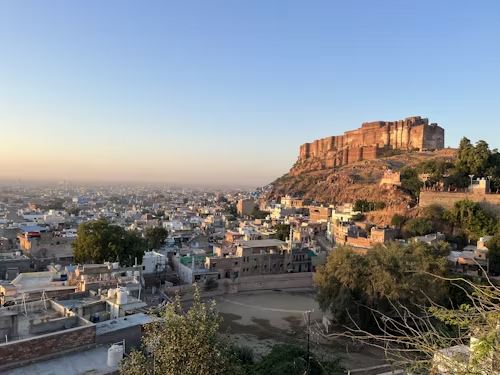
Mehrangarh Fort, Jodhpur: The Majestic Guardian of the Blue City
-
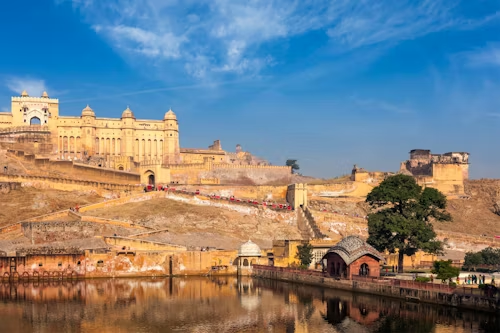
Amer Fort (Amber Palace), Jaipur: A Majestic Symbol of Rajasthan’s Royal Heritage
-
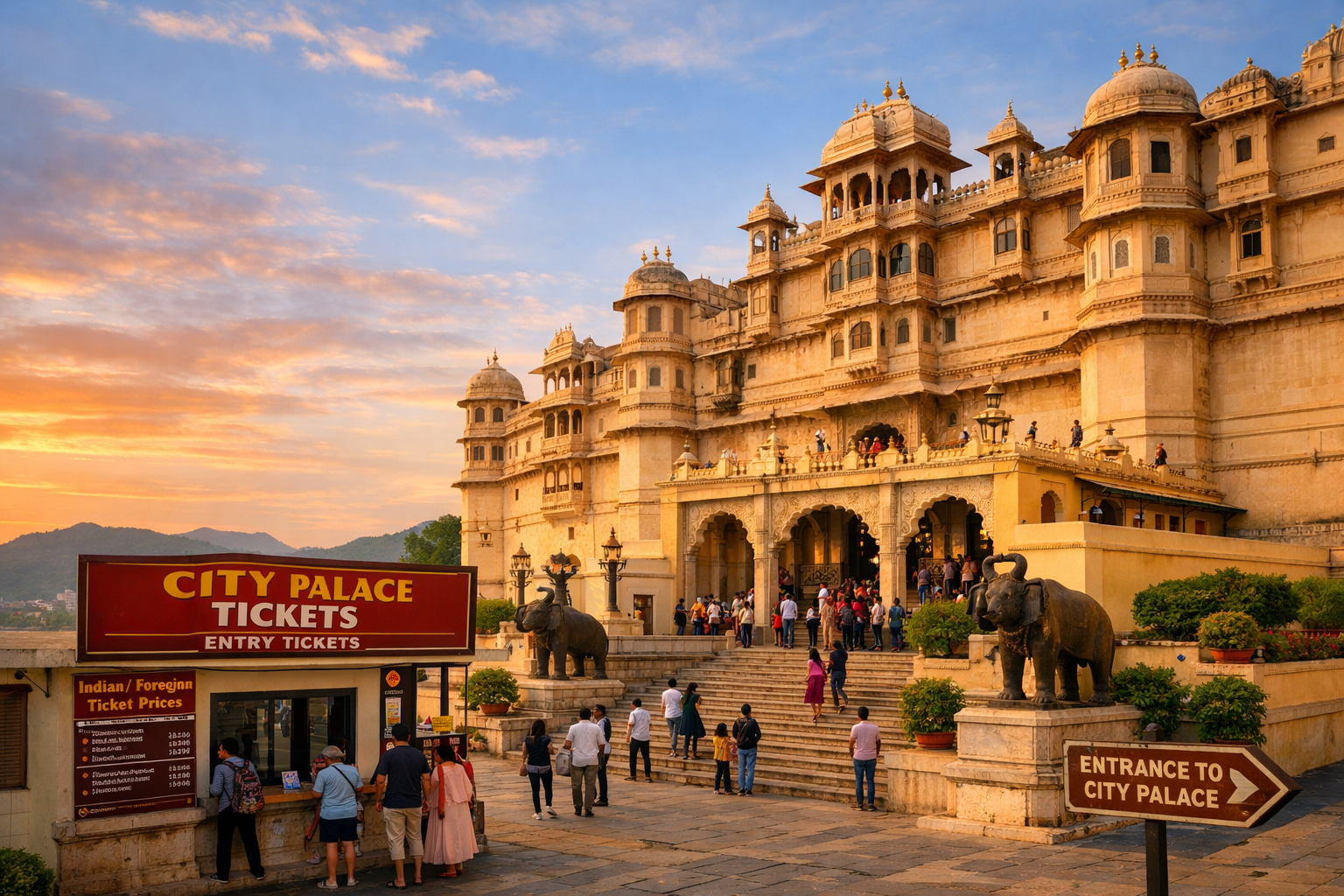
City Palace Udaipur Travel Tips for Families, Couples & Solo Travelers
-
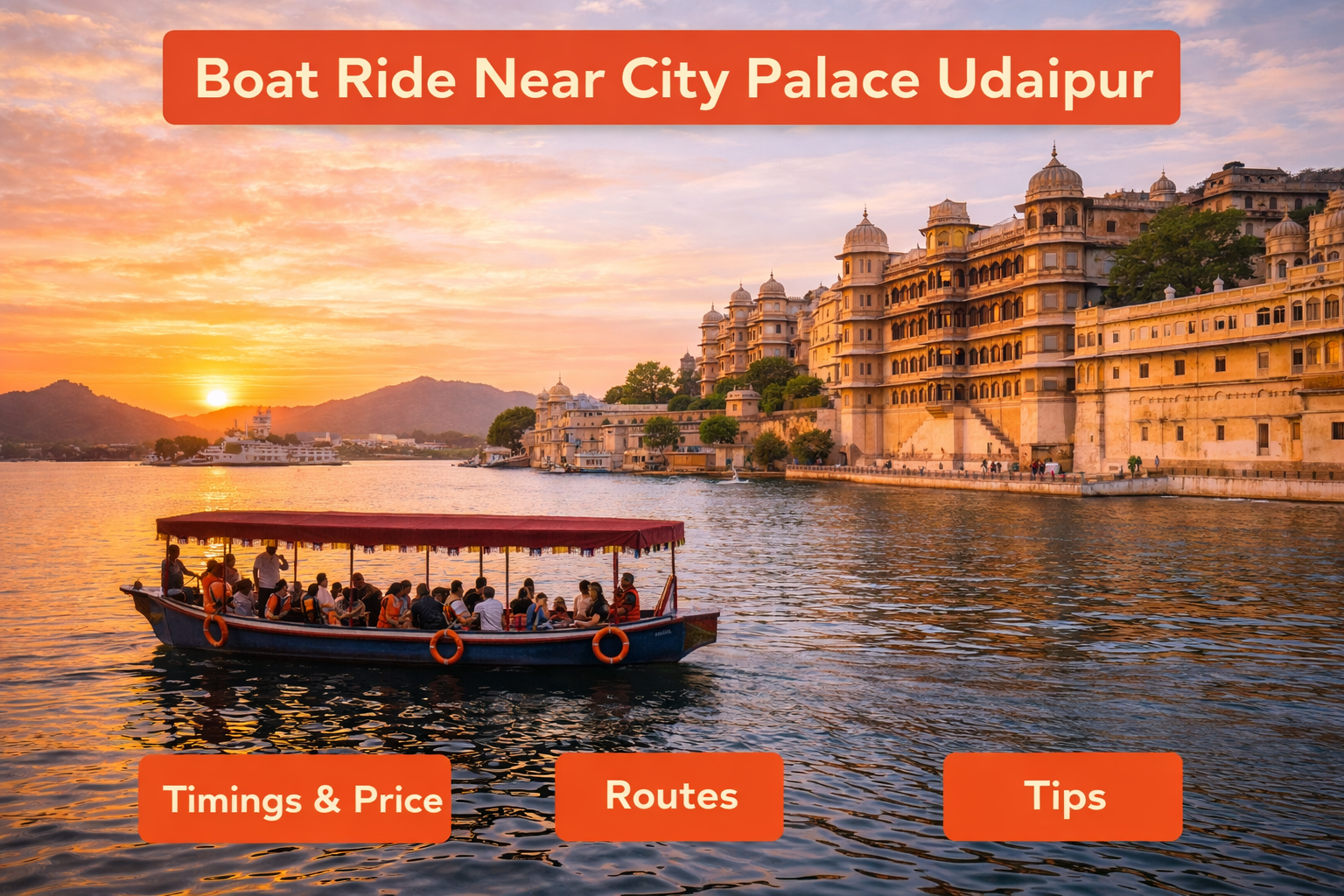
Boat Ride Near City Palace Udaipur: Timings, Price & Tips
-
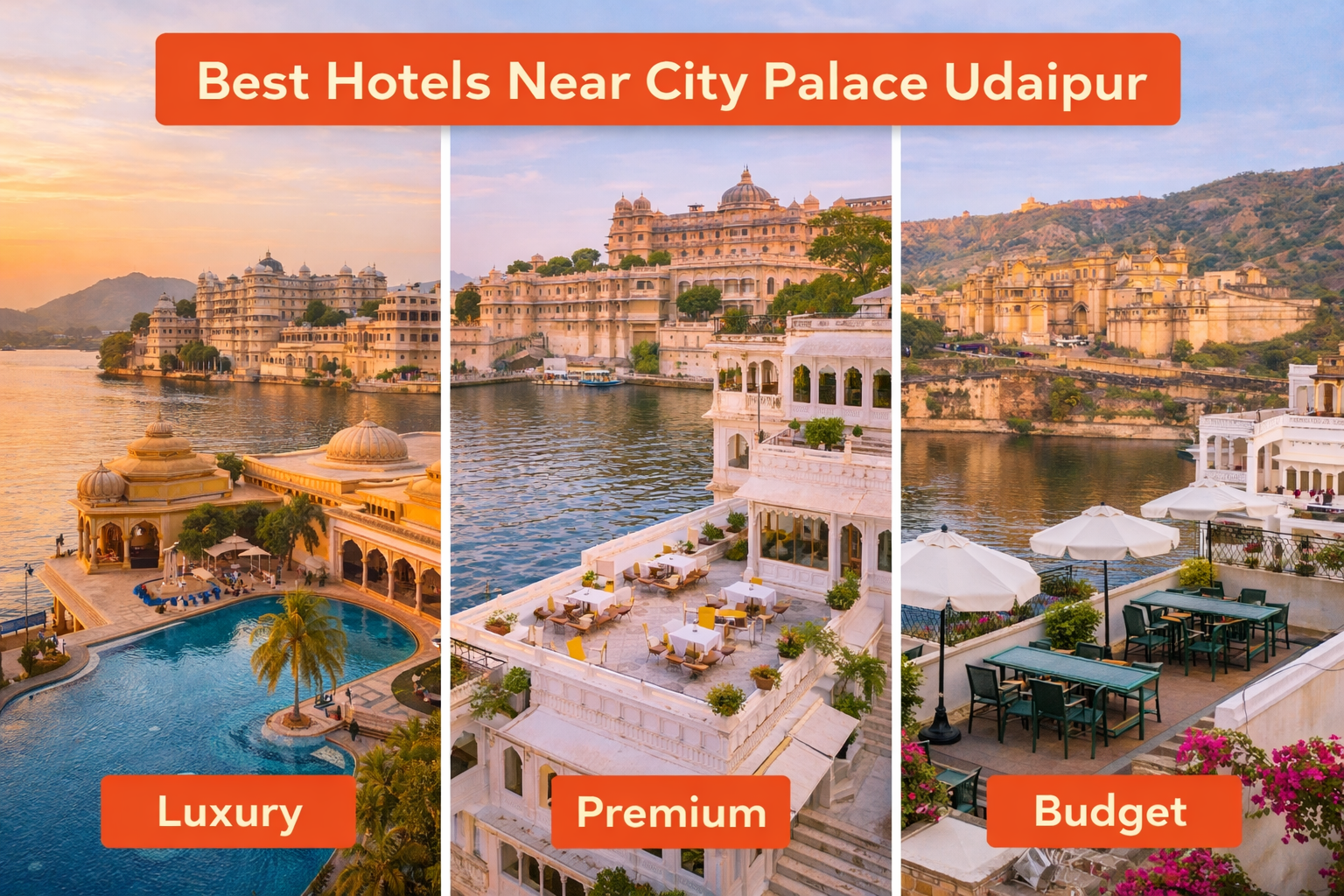
Best Hotels Near City Palace Udaipur for All Budgets (2026 Guide)
-
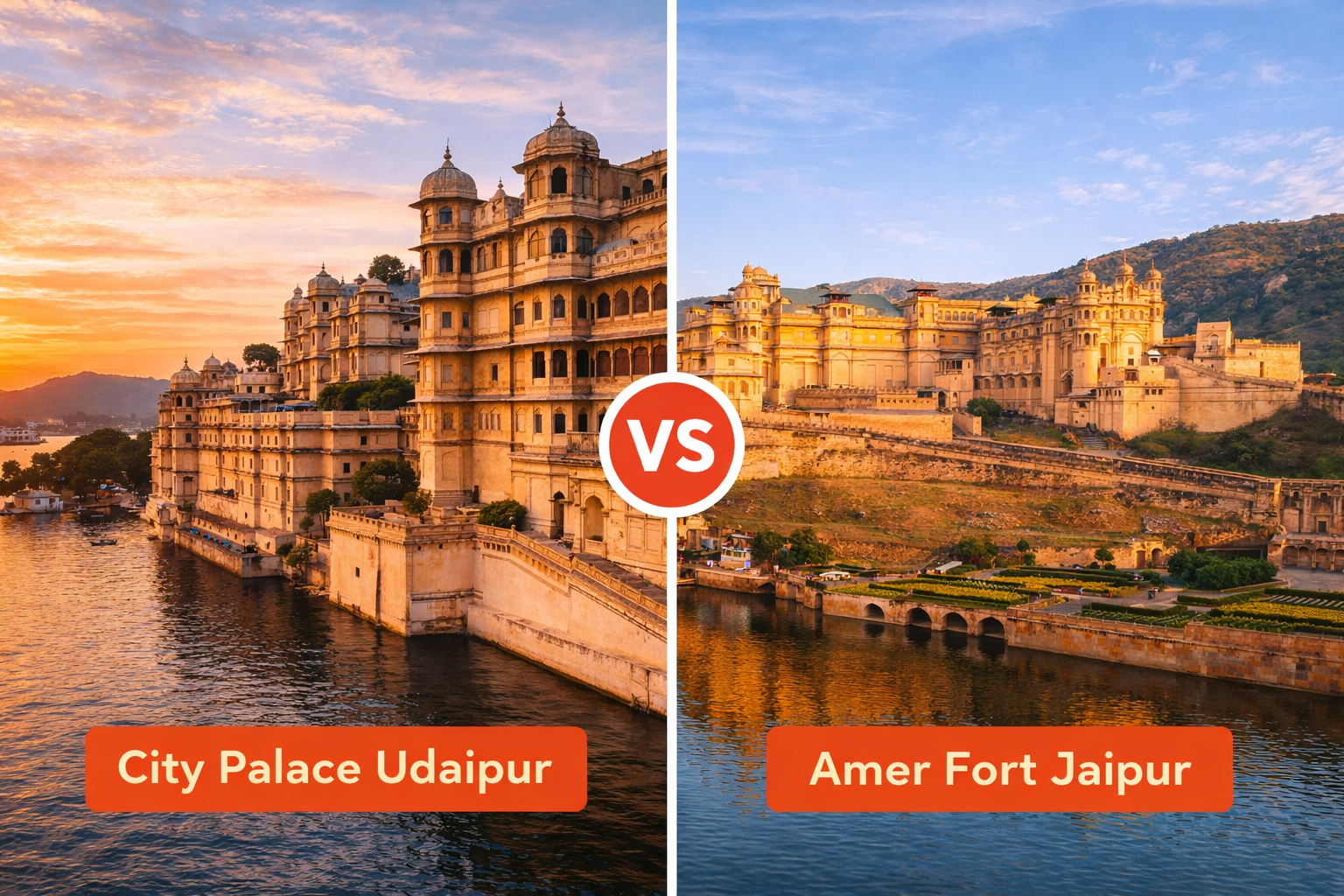
City Palace Udaipur or Amer Fort Jaipur: A Royal Comparison
-
Best Time to Visit City Palace Udaipur for Photography & Sightseeing
-
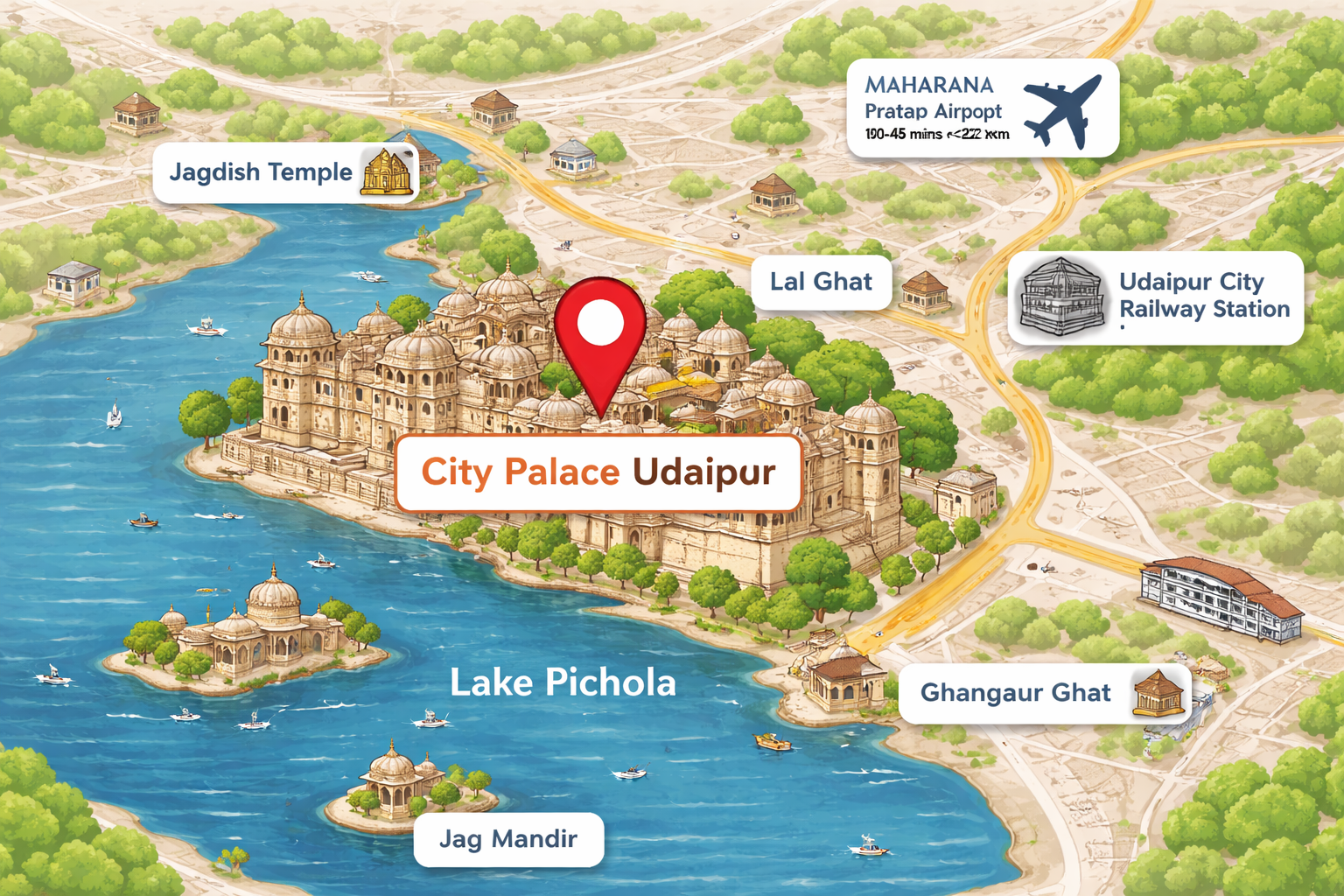
City Palace Udaipur Location, Map & How to Reach Easily
-
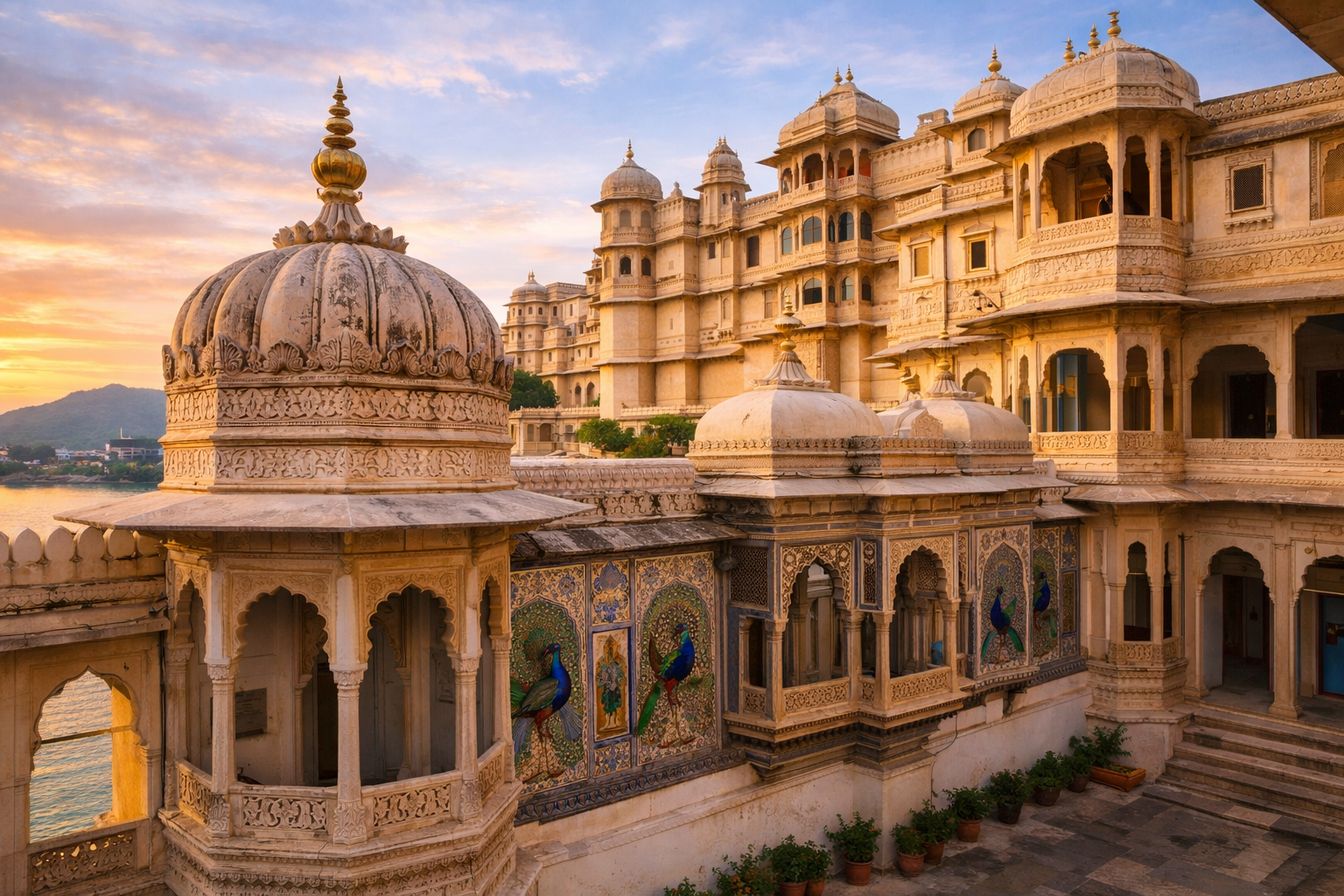
Why Rajasthan Is Called the Land of Royal Palaces: History, Culture, and Tourism Guide
-
How to Plan a 2-Day Udaipur Palace Tour: Perfect Itinerary for First-Time Visitors
-
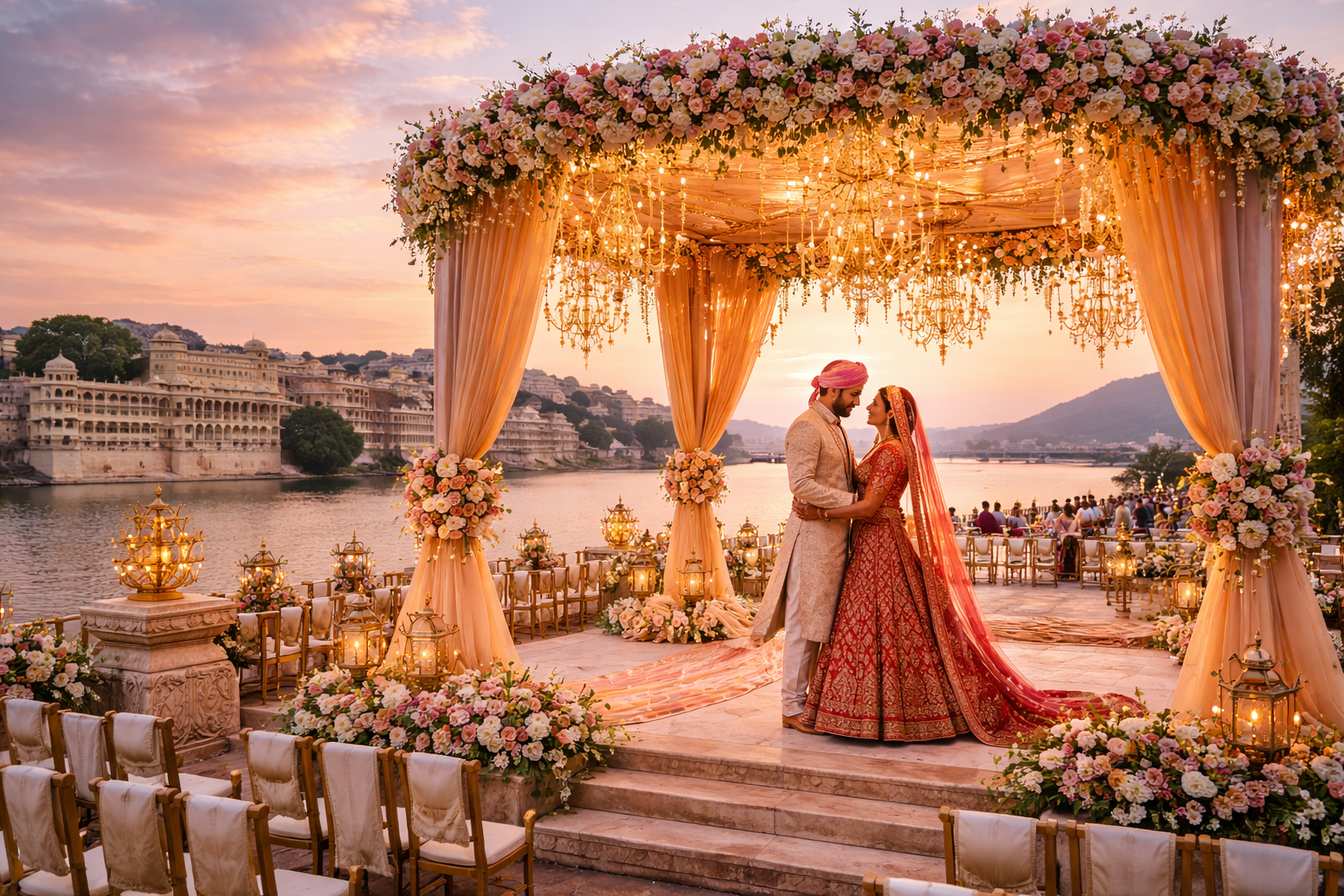
Top Heritage Palaces in Rajasthan That Reflect Royal Indian Culture
-
Famous Royal Palaces of Udaipur and Their Untold History
-
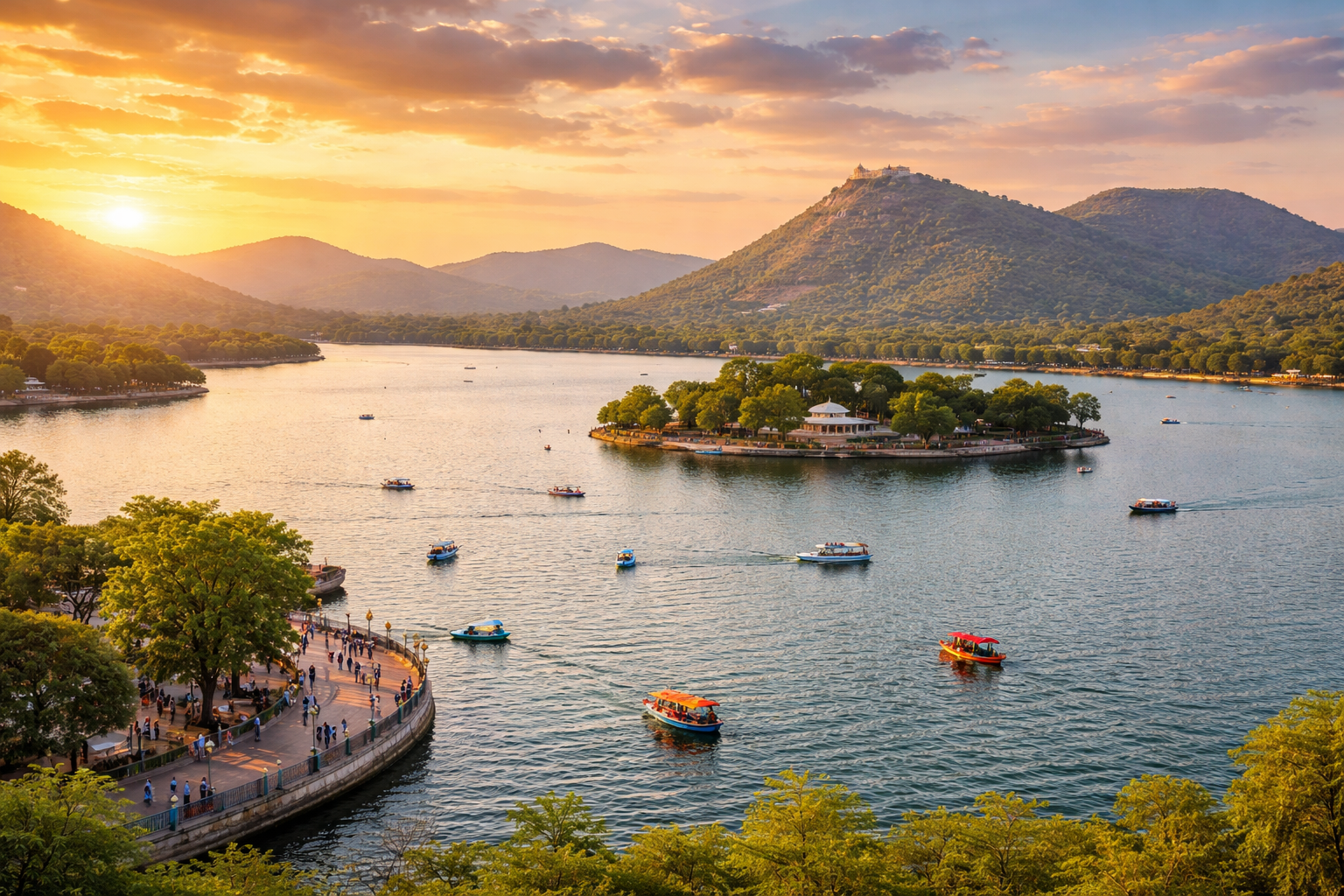
Complete Travel Guide to Udaipur: Palaces, Lakes, Food, Budget and Travel Tips
-
Best Time to Visit City Palace Udaipur: Weather, Crowd, Festivals and Travel Tips
-
Hidden Facts About City Palace Udaipur That Most Tourists Don’t Know
-
City Palace vs Lake Palace Udaipur: Which One Is Worth Visiting?
-
Maharana Pratap – The Legendary Rajput Warrior and Symbol of Courage
-
Top 10 Tourist Palaces in Rajasthan You Must Visit Once in Your Lifetime
-
City Palace Udaipur: Complete History, Architecture, Timings, Ticket Price and Travel Guide