Amer Fort (Amber Palace), Jaipur: A Majestic Symbol of Rajasthan’s Royal Heritage
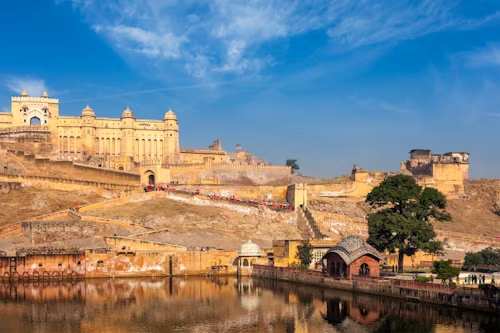
Amer Fort, also known as Amber Palace, stands as one of the most magnificent monuments of Rajasthan and a timeless symbol of India’s royal past. Perched majestically on a hill overlooking Maota Lake, about 11 kilometers from Jaipur, this grand fort-palace complex is a masterpiece of Rajput and Mughal architecture. With its imposing walls, ornate palaces, mirror-studded halls, and panoramic views, Amer Fort continues to captivate travelers from across the world.
Declared a UNESCO World Heritage Site as part of the “Hill Forts of Rajasthan,” Amer Fort is not merely a tourist attraction—it is a living chronicle of valor, artistry, and royal lifestyle. Every corridor, courtyard, and carved pillar whispers stories of kings, queens, wars, celebrations, and architectural brilliance.
Historical Background of Amer Fort
The history of Amer Fort dates back to the late 16th century. Construction began in 1592 under Raja Man Singh I, one of the most trusted generals of Mughal Emperor Akbar. Later rulers, especially Raja Jai Singh I, expanded and enhanced the fort over several generations, adding new palaces, halls, and defensive structures.
Before Jaipur was founded by Maharaja Sawai Jai Singh II in 1727, Amer served as the capital of the Kachwaha Rajputs. The location was strategically chosen—nestled among rugged hills and surrounded by natural defenses—making it ideal for protection against invasions.
Amer Fort reflects the close alliance between the Rajputs and the Mughals. While the fort maintains a strong Rajput identity, its delicate ornamentation, symmetry, and garden layouts clearly show Mughal influence. This fusion gives Amer Fort its unique architectural character.
Architectural Grandeur and Design
Amer Fort is constructed primarily from red sandstone and white marble, creating a striking contrast that changes hues with the sunlight throughout the day. From a distance, the fort appears rugged and formidable; up close, it reveals refined elegance and intricate artistry.
The fort is laid out over multiple levels, each with its own courtyards, palaces, and living spaces. It combines military architecture with royal luxury—a hallmark of Rajput forts.
Main Attractions Inside Amer Fort
1. Suraj Pol and Chand Pol (Sun Gate & Moon Gate)
Visitors usually enter Amer Fort through Suraj Pol, the main gate facing east. This gate was traditionally used by kings and dignitaries. Chand Pol, on the western side, was often reserved for common people.
These massive gates showcase the fort’s defensive strength, with high walls, zigzag pathways, and watchtowers designed to repel enemies.
2. Jaleb Chowk
Beyond Suraj Pol lies Jaleb Chowk, a large open courtyard where victorious armies once assembled after returning from battles. The space also hosted parades and royal ceremonies.
From here, visitors can either walk up to the palace complex or take the famous elephant ride, a traditional experience that echoes royal arrivals of the past.
3. Diwan-e-Aam (Hall of Public Audience)
The Diwan-e-Aam is a spacious hall supported by rows of pillars. This was where the king addressed the public, listened to grievances, and made announcements.
The hall reflects simplicity and authority—designed to be accessible yet imposing. From its open arches, visitors can enjoy views of Maota Lake and the surrounding hills.
4. Ganesh Pol
One of the most photographed sections of Amer Fort, Ganesh Pol is an exquisitely decorated gateway leading to the private palaces. Painted with colorful frescoes, floral motifs, and images of Lord Ganesh, it served as the ceremonial entrance to the royal quarters.
The artwork here represents prosperity, protection, and devotion, symbolizing auspicious beginnings.
5. Sheesh Mahal (Mirror Palace)
The Sheesh Mahal is the crown jewel of Amer Fort. This breathtaking hall is adorned with thousands of tiny mirrors and colored glass pieces embedded in marble.
A single candle lit inside the hall once created the illusion of a star-filled sky. The palace was designed to remain cool even in Rajasthan’s scorching summers, reflecting light and enhancing ventilation.
Sheesh Mahal is a testament to the extraordinary craftsmanship of Indian artisans and remains one of the most iconic attractions in Jaipur.
6. Sukh Niwas
Adjacent to Sheesh Mahal is Sukh Niwas, the “Hall of Pleasure.” This chamber was designed for comfort, featuring a unique cooling system where water channels and perforated screens allowed cool air to circulate naturally.
This ancient form of climate control highlights the advanced engineering knowledge of the time.
7. Diwan-e-Khas (Hall of Private Audience)
The Diwan-e-Khas was used for confidential meetings with ministers and royal guests. Compared to Diwan-e-Aam, it is more ornate, reflecting its exclusive purpose.
The marble floors, carved pillars, and elegant arches create an atmosphere of refinement and authority.
8. Zenana (Women’s Quarters)
The Zenana was the private residence of the queens and royal women. It consists of multiple identical suites arranged around a courtyard, allowing the king to visit any queen discreetly without alerting others—a clever architectural solution reflecting royal customs.
Despite its privacy, the Zenana is richly decorated, emphasizing the comfort and status of the royal women.
Maota Lake and the Surroundings
At the base of Amer Fort lies Maota Lake, which once served as the fort’s primary water source. The reflection of the fort in the lake, especially during sunrise and sunset, creates a magical दृश्य (view).
The surrounding Aravalli hills add to the fort’s dramatic setting, making it a paradise for photographers and history enthusiasts.
Light and Sound Show
One of the most engaging ways to experience Amer Fort is through the evening Light and Sound Show. Narrated by legendary actor Amitabh Bachchan (Hindi version), the show recounts the fort’s history, legends, and heroic tales with dramatic lighting effects.
It brings the stone walls to life and is highly recommended for visitors interested in storytelling and history.
Cultural and Historical Significance
Amer Fort is more than an architectural wonder—it represents the spirit of Rajputana. Stories of bravery, loyalty, diplomacy, and honor are deeply woven into its history.
The fort stands as evidence of how Indian rulers balanced warfare with art, spirituality, and luxury. Its preservation allows modern visitors to understand India’s feudal past and royal traditions.
Best Time to Visit Amer Fort
-
October to March is the best time, with pleasant weather ideal for sightseeing.
-
Summers (April–June) can be extremely hot, especially during midday.
-
Early mornings and late afternoons offer the best light and fewer crowds.
Travel Tips for Visitors
-
Wear comfortable shoes; the fort involves a lot of walking.
-
Visit early to avoid crowds and heat.
-
Hire an official guide or use an audio guide for deeper historical insights.
-
Photography is allowed, but tripods may require permission.
-
Respect heritage rules—do not touch fragile artwork.
Conclusion
Amer Fort (Amber Palace) is not just a monument—it is an experience that transports visitors back to an era of kings, queens, and epic tales. Its grandeur, artistic brilliance, and historical depth make it one of the most important tourist attractions in India.
Whether you are a history lover, architecture enthusiast, photographer, or first-time traveler to Rajasthan, Amer Fort promises memories that will last a lifetime. Standing atop its ramparts, overlooking Jaipur and the Aravalli hills, one cannot help but admire the timeless legacy of Rajasthan’s royal heritage.
-
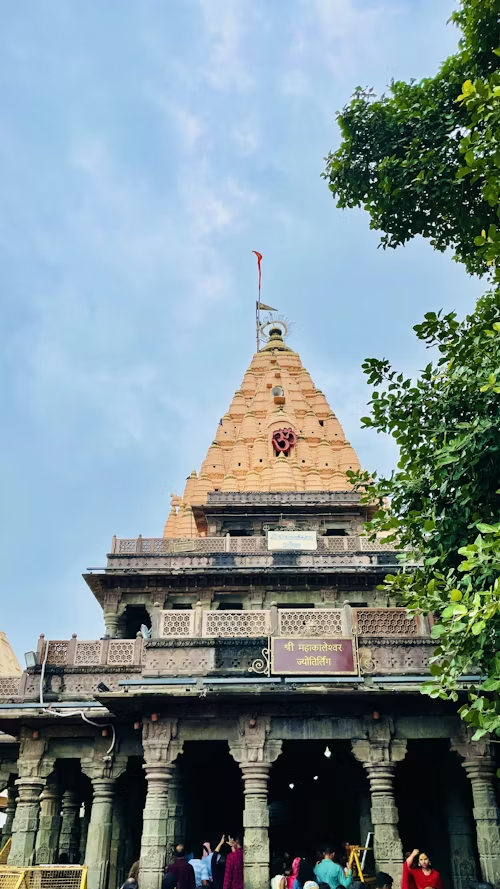
Mahakaleshwar Jyotirlinga, Ujjain: The Eternal Lord of Time and One of the Holiest Shiva Shrines in India
-
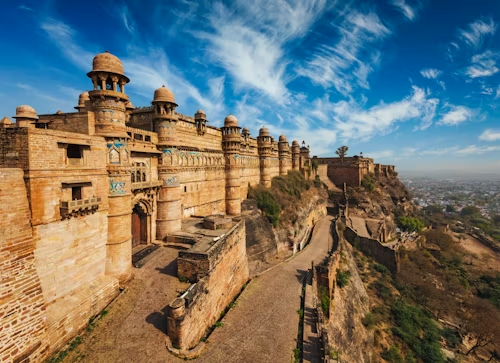
Gwalior Fort: The Majestic Crown of Central India’s History and Heritage
-
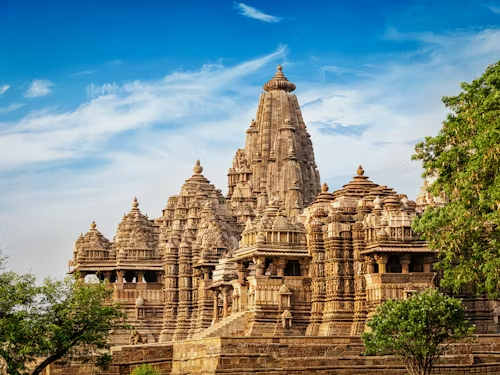
Khajuraho Temples: A Timeless UNESCO World Heritage Site of Art, Spirituality, and Sensuality
-
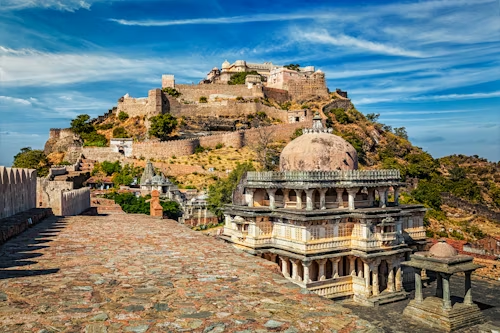
Kumbhalgarh Fort, Rajsamand: The Great Wall of India and the Invincible Pride of Mewar
-
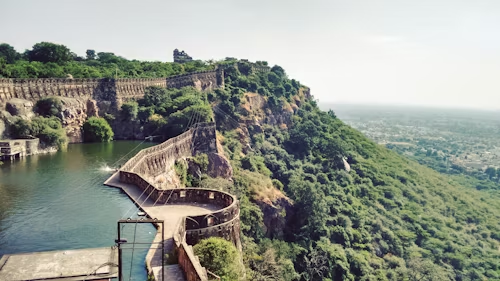
Chittorgarh Fort, Chittorgarh: The Eternal Symbol of Rajput Valor, Sacrifice, and Pride
-
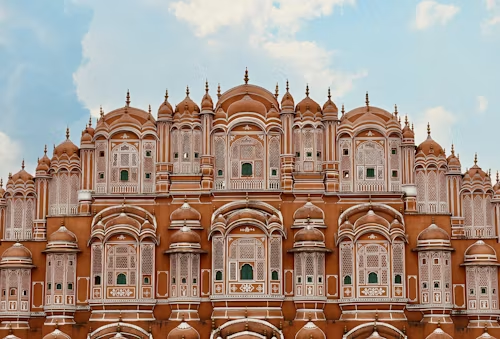
Hawa Mahal, Jaipur: The Iconic Palace of Winds and the Soul of the Pink City
-
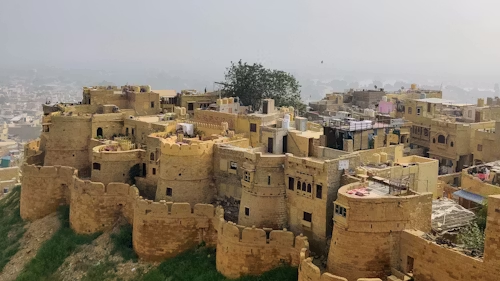
Jaisalmer Fort, Jaisalmer: The Golden Living Fort of the Thar Desert
-
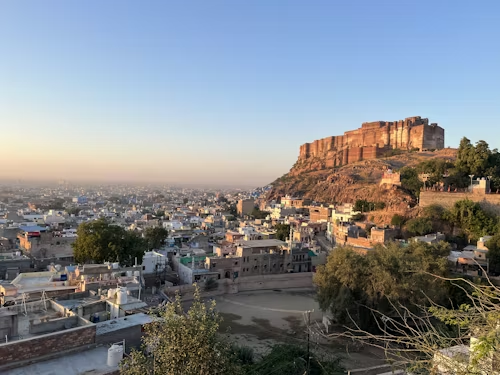
Mehrangarh Fort, Jodhpur: The Majestic Guardian of the Blue City
-
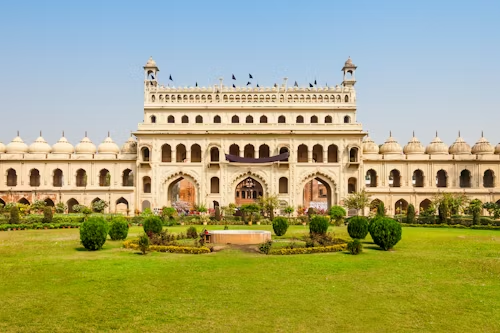
City Palace, Jaipur: The Timeless Heart of Rajasthan’s Royal Legacy
-
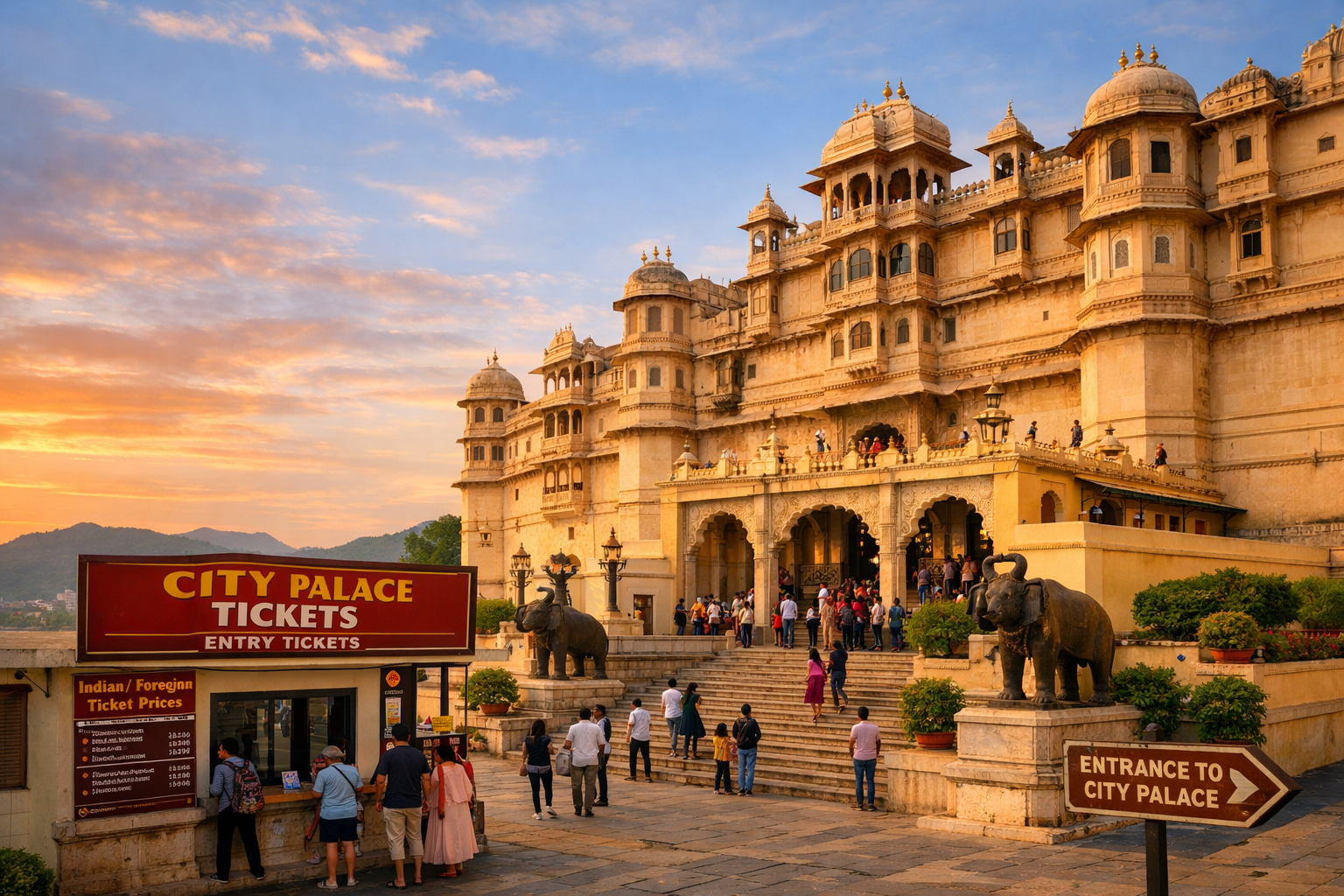
City Palace Udaipur Travel Tips for Families, Couples & Solo Travelers
-
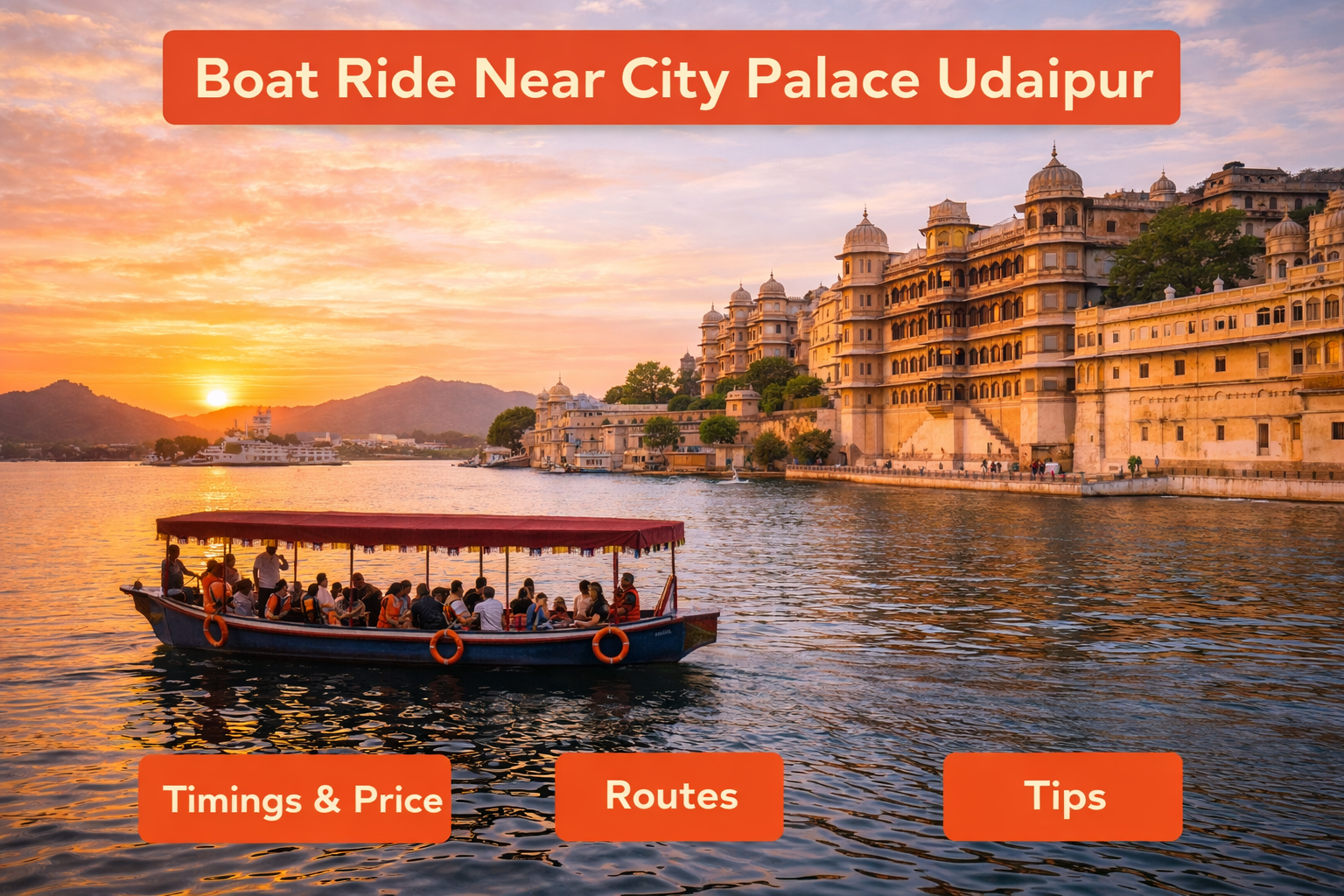
Boat Ride Near City Palace Udaipur: Timings, Price & Tips
-
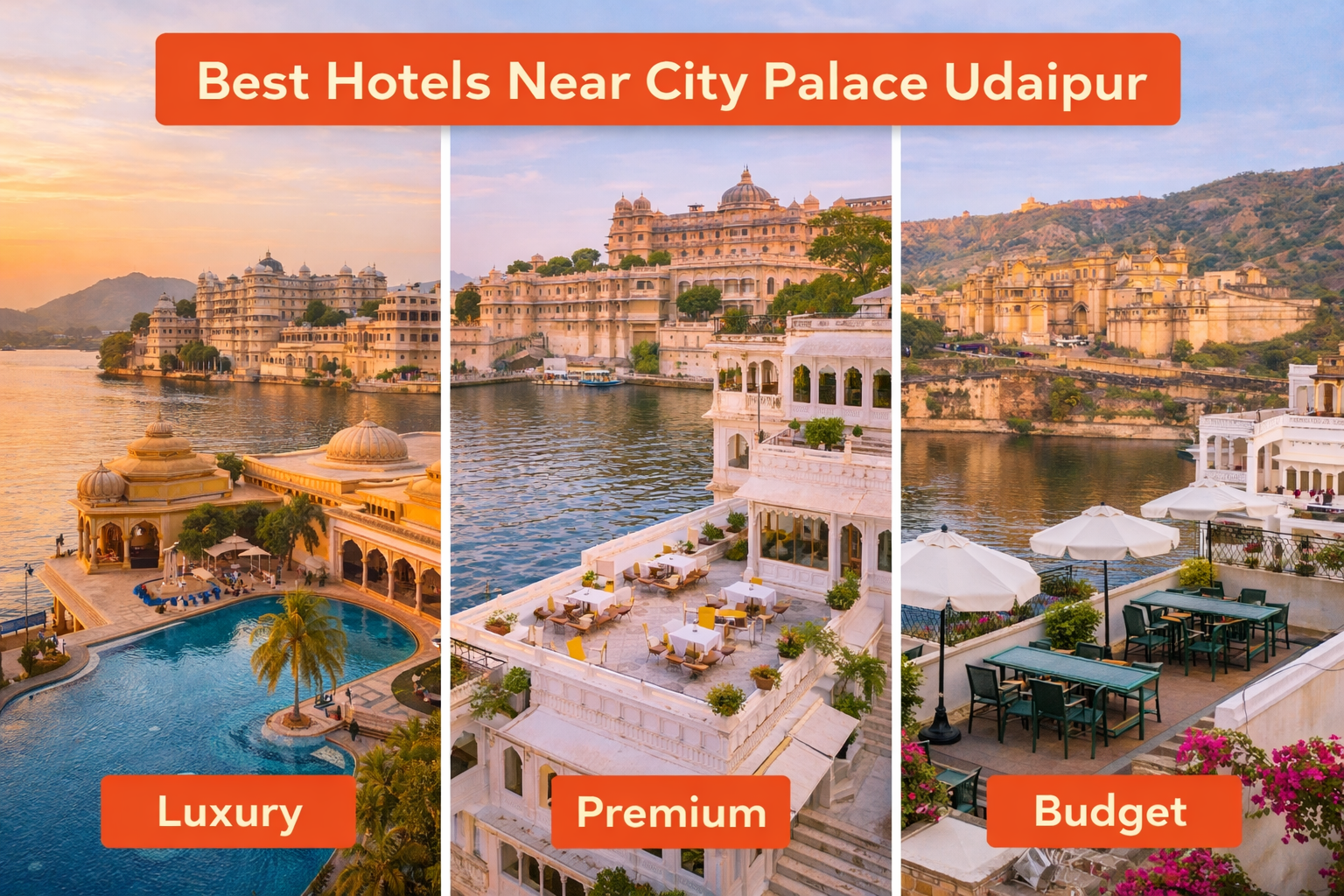
Best Hotels Near City Palace Udaipur for All Budgets (2026 Guide)
-
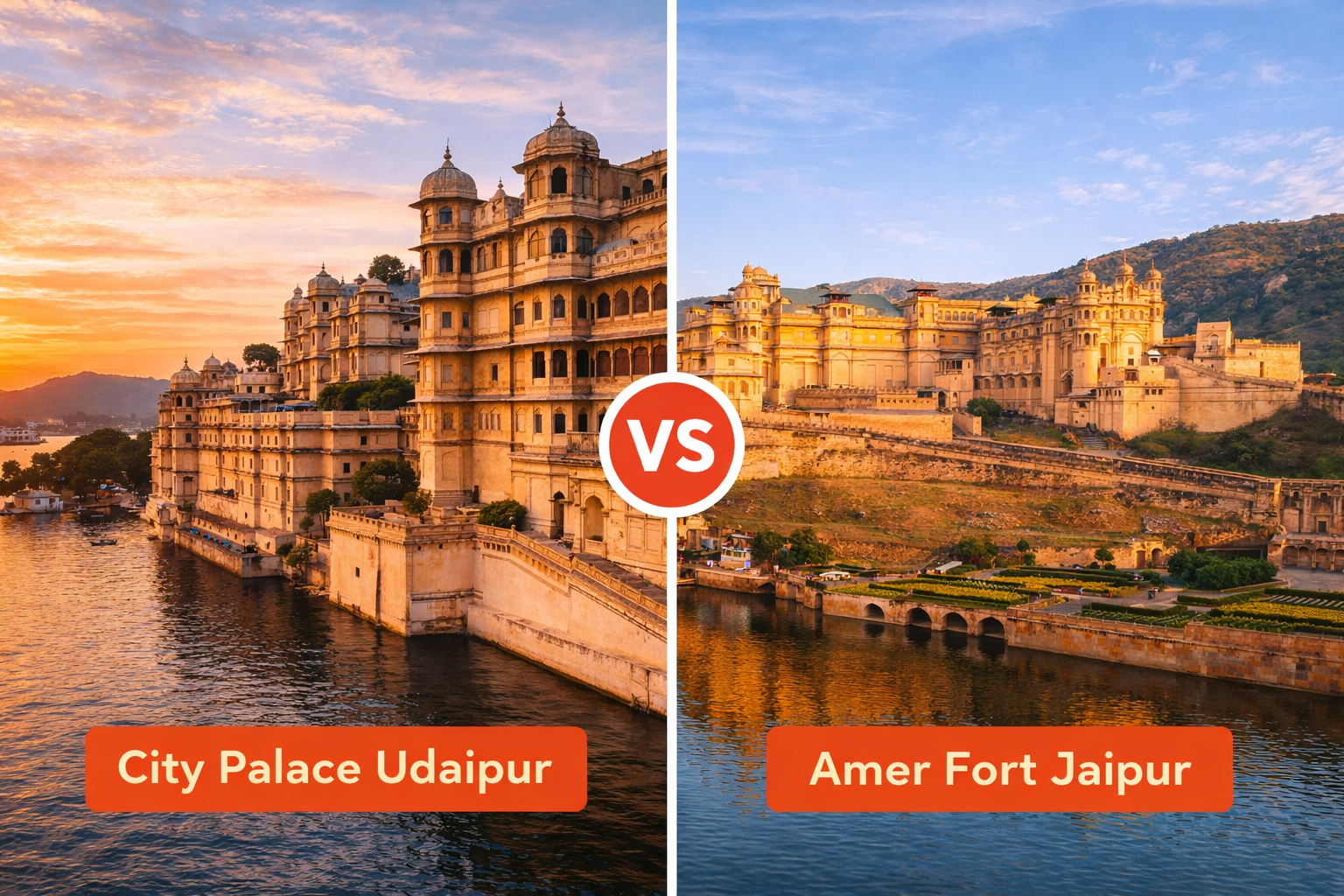
City Palace Udaipur or Amer Fort Jaipur: A Royal Comparison
-
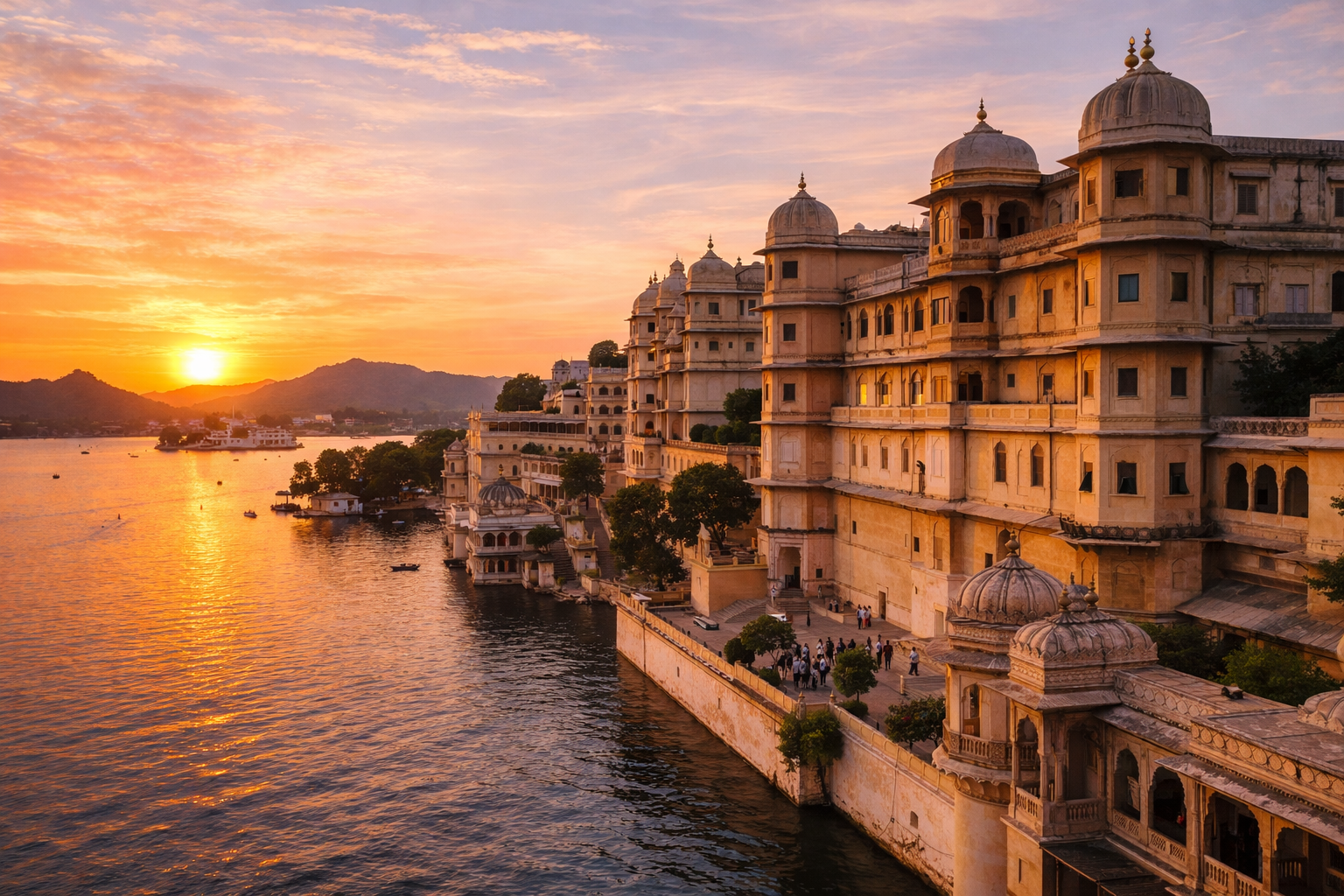
Best Time to Visit City Palace Udaipur for Photography & Sightseeing
-
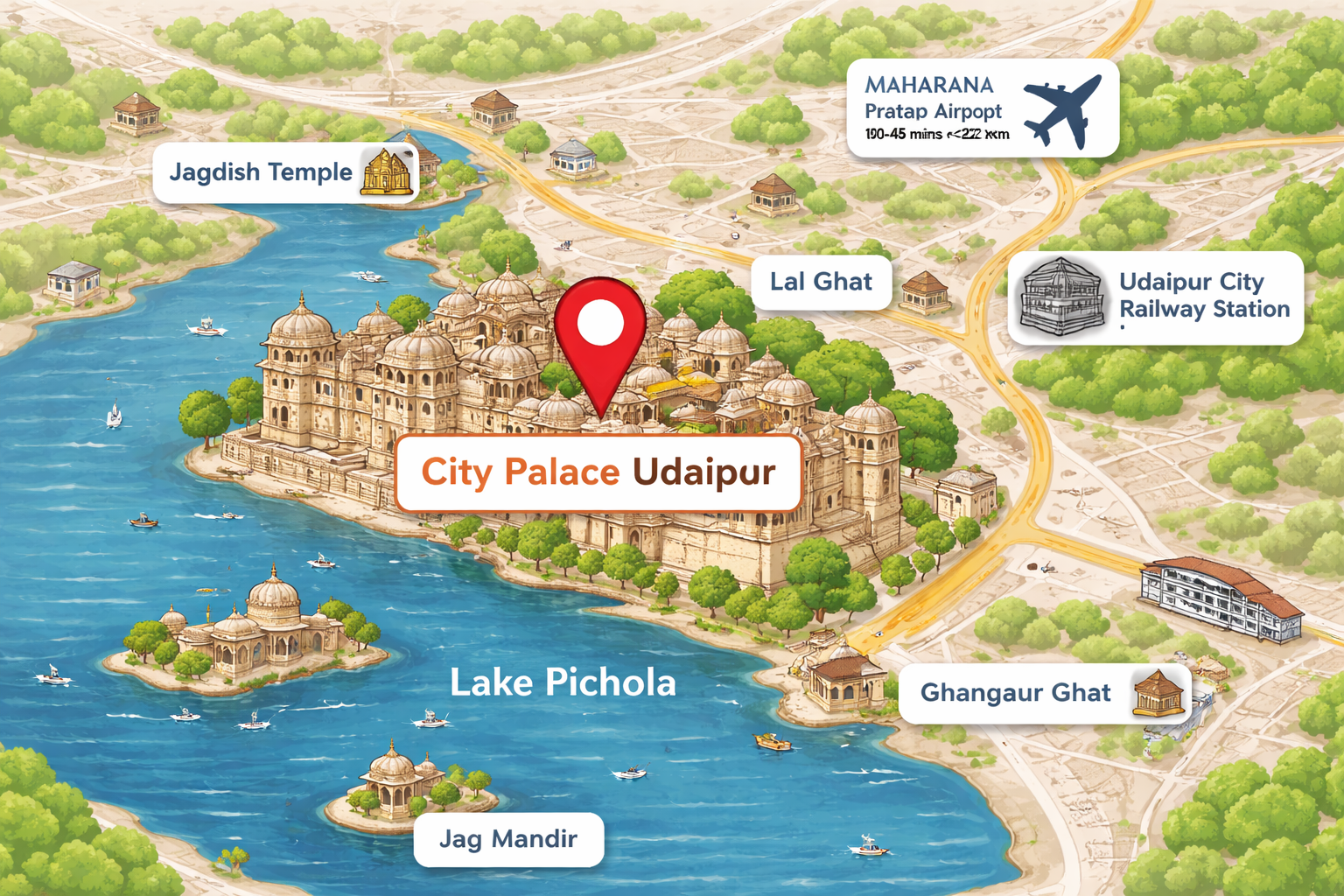
City Palace Udaipur Location, Map & How to Reach Easily
-
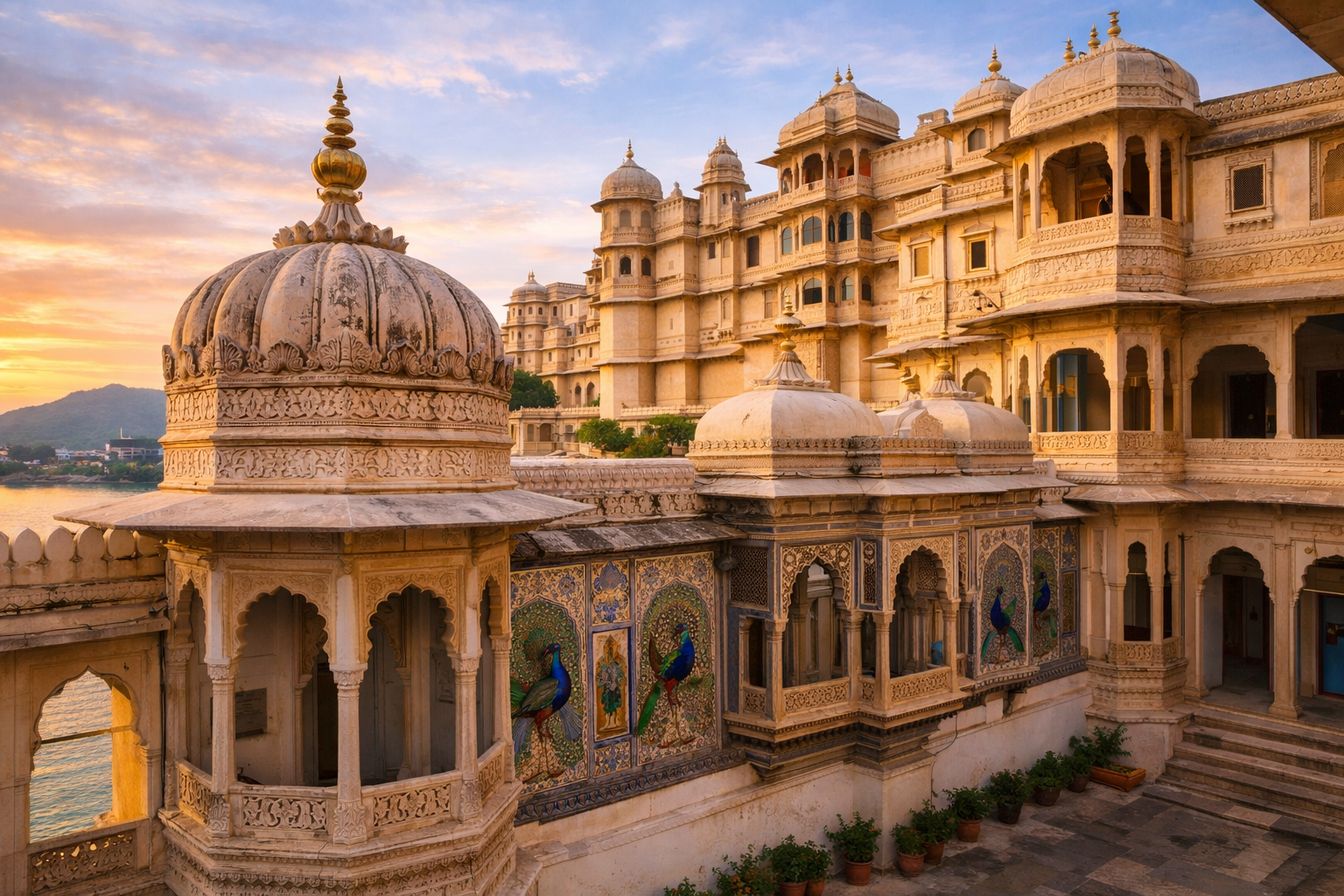
Why Rajasthan Is Called the Land of Royal Palaces: History, Culture, and Tourism Guide
-
How to Plan a 2-Day Udaipur Palace Tour: Perfect Itinerary for First-Time Visitors
-
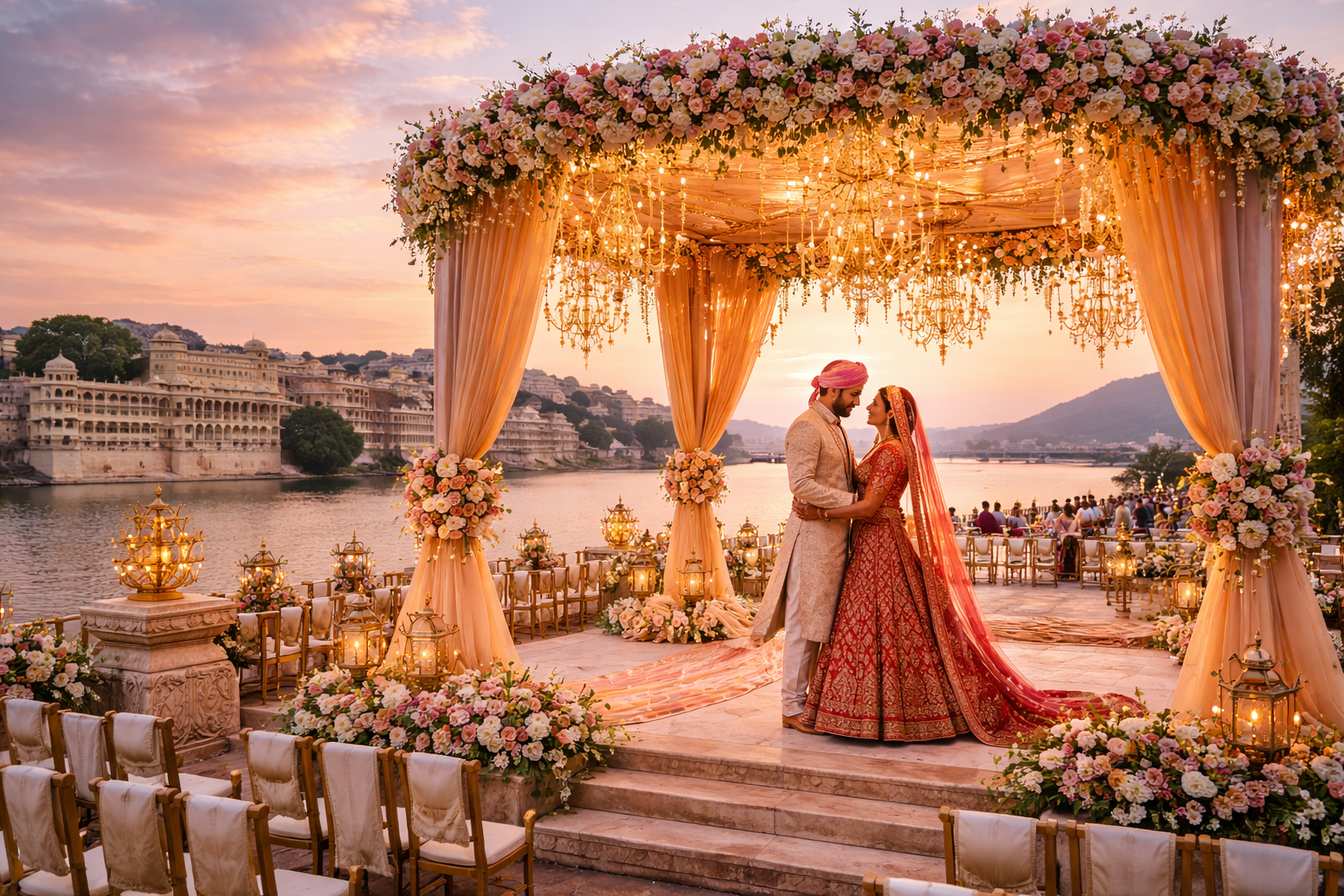
Top Heritage Palaces in Rajasthan That Reflect Royal Indian Culture
-
Famous Royal Palaces of Udaipur and Their Untold History
-
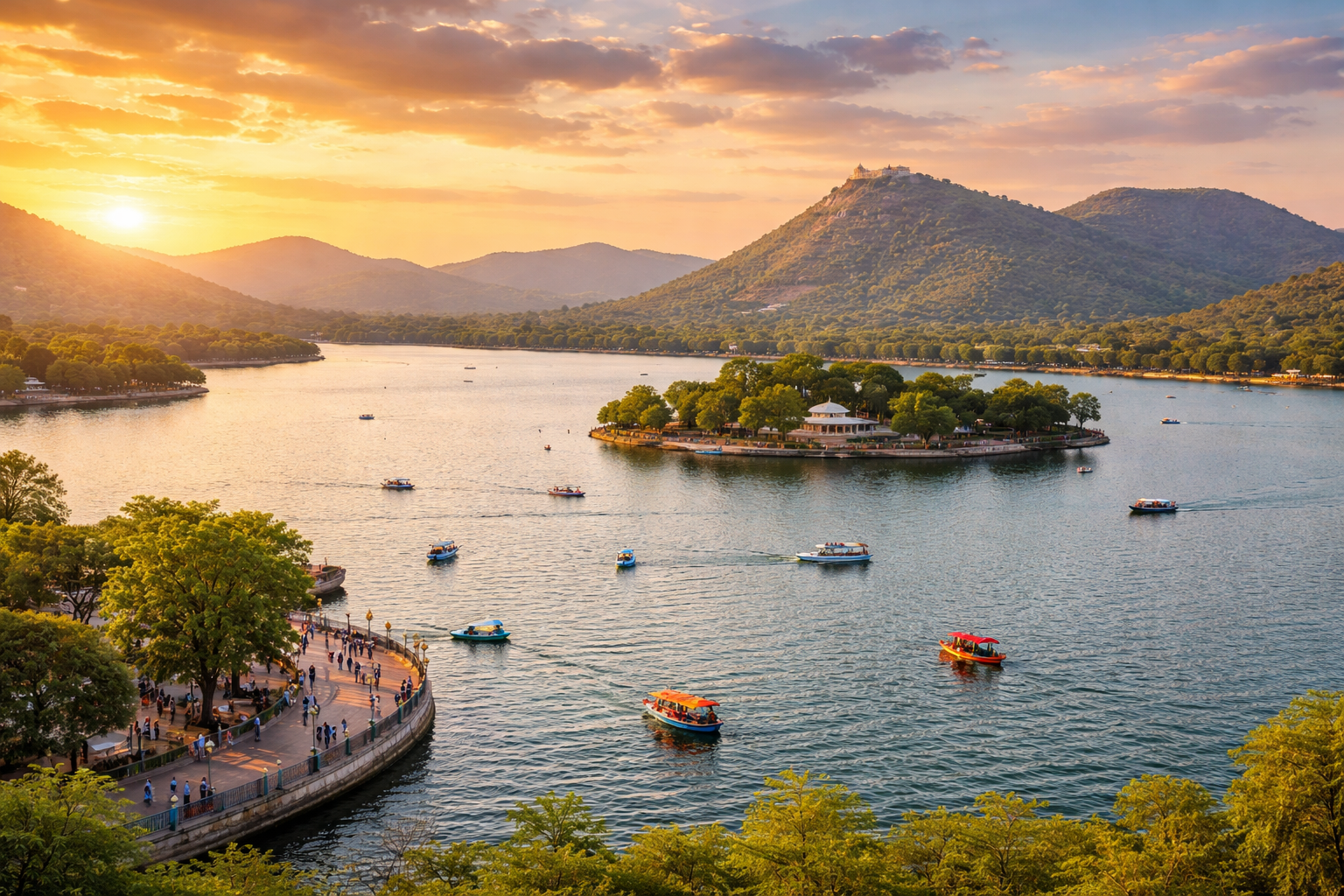
Complete Travel Guide to Udaipur: Palaces, Lakes, Food, Budget and Travel Tips
-
Best Time to Visit City Palace Udaipur: Weather, Crowd, Festivals and Travel Tips
-
Hidden Facts About City Palace Udaipur That Most Tourists Don’t Know
-
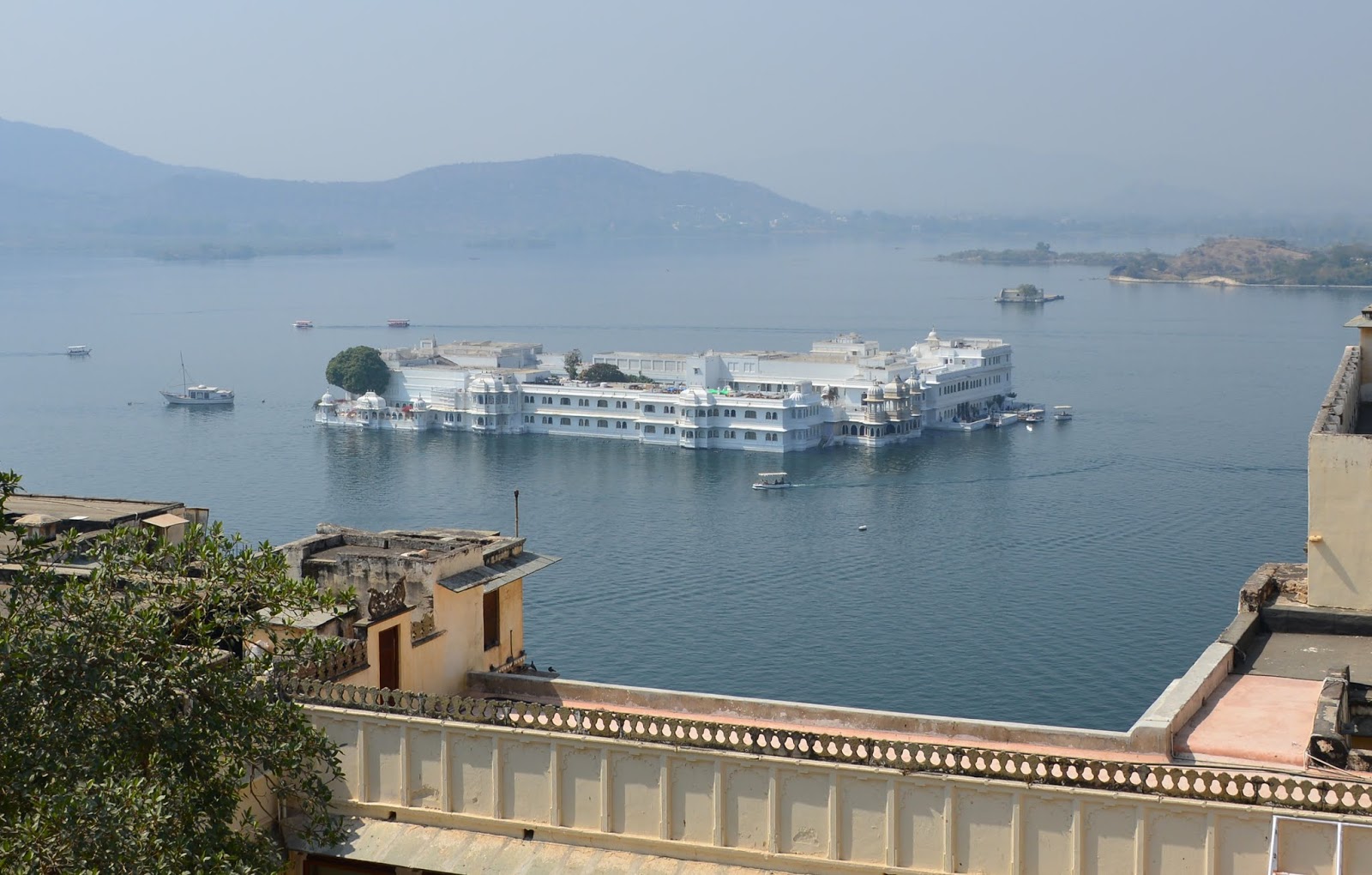
City Palace vs Lake Palace Udaipur: Which One Is Worth Visiting?
-
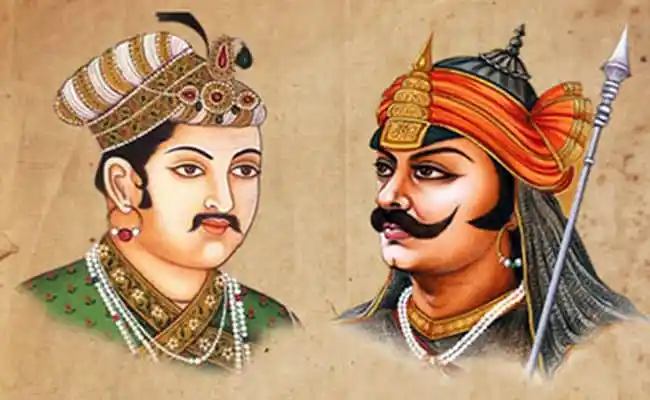
Maharana Pratap – The Legendary Rajput Warrior and Symbol of Courage
-
Top 10 Tourist Palaces in Rajasthan You Must Visit Once in Your Lifetime
-
City Palace Udaipur: Complete History, Architecture, Timings, Ticket Price and Travel Guide