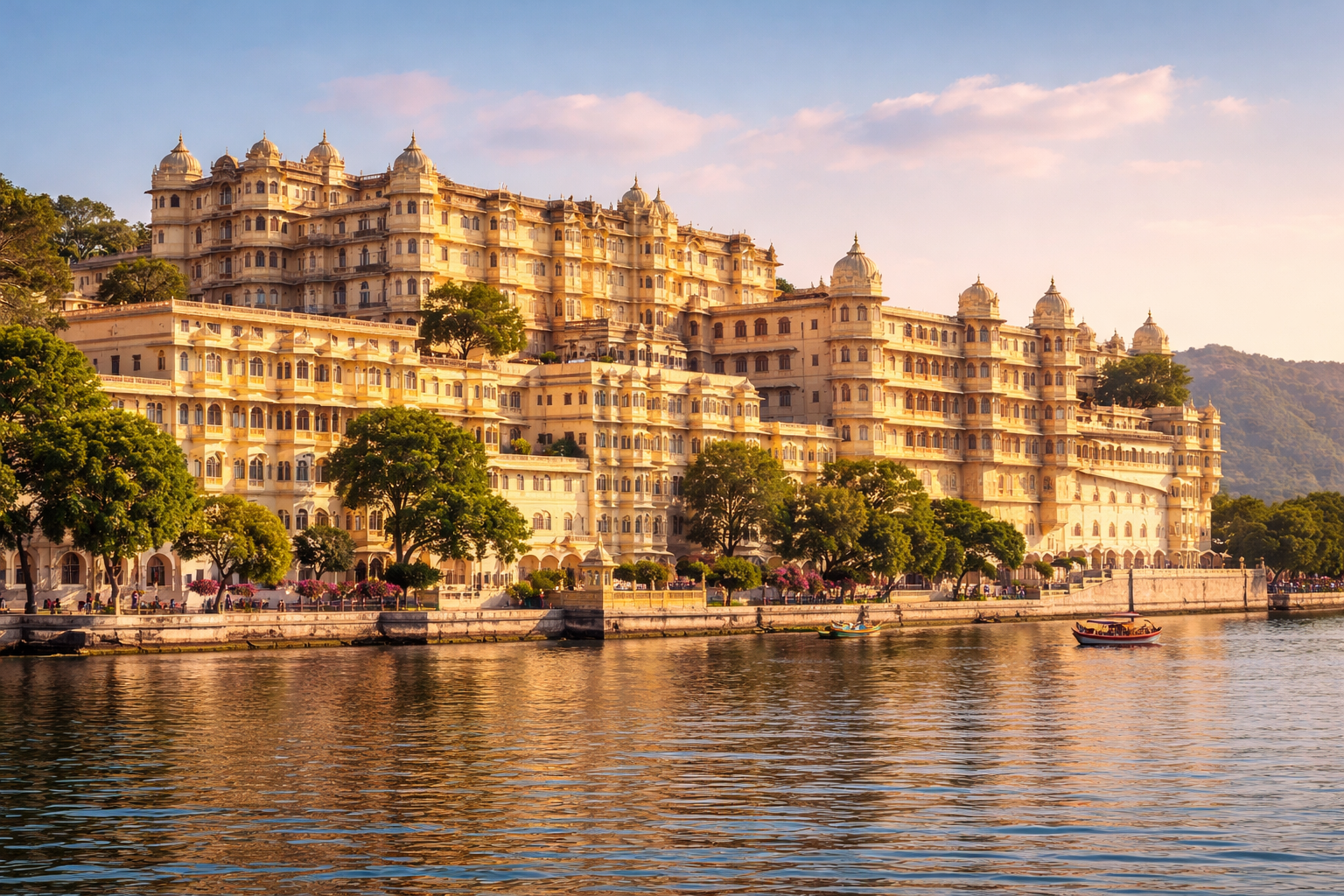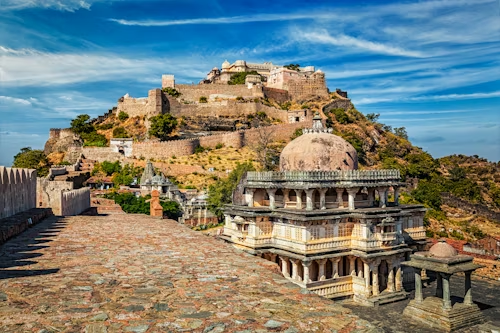
Kumbhalgarh Fort, Rajsamand: The Great Wall of India and the Invincible Pride of Mewar
Hidden deep within the rugged folds of the Aravalli Hills in Rajasthan’s Rajsamand district stands Kumbhalgarh Fort, one of the most extraordinary military fortifications in the world. Majestic, mysterious, and immensely powerful in scale, Kumbhalgarh Fort is best known for its 36-kilometer-long wall—the second longest continuous wall on Earth after the Great Wall of China.
More than just a fort, Kumbhalgarh is a symbol of Mewar’s resilience, strategic brilliance, and Rajput honor. It is the birthplace of Maharana Pratap, one of India’s greatest warrior kings, and a monument that remained unconquered for centuries. Surrounded by dense forests, steep hills, and wildlife sanctuaries, the fort feels timeless—almost untouched by the modern world.
Declared a UNESCO World Heritage Site as part of the “Hill Forts of Rajasthan,” Kumbhalgarh Fort is a breathtaking blend of military engineering, spiritual heritage, and natural beauty.
Historical Background of Kumbhalgarh Fort
Kumbhalgarh Fort was built in the 15th century (around 1443–1458 AD) by Maharana Kumbha, the legendary ruler of the Sisodia dynasty of Mewar. Maharana Kumbha was not only a powerful king but also a scholar, architect, and patron of arts, credited with constructing or renovating more than 30 forts across Rajasthan.
The fort was constructed on the ruins of an earlier structure believed to date back to the Maurya period. Its location—deep within the Aravalli range—was chosen for its natural defenses and strategic isolation.
Kumbhalgarh served as a safe refuge for the rulers of Mewar during times of crisis. Most notably, it sheltered the infant Maharana Udai Singh II, who later founded Udaipur, during the siege of Chittorgarh. The fort’s most celebrated legacy, however, is that it was the birthplace of Maharana Pratap in 1540.
Why Kumbhalgarh Fort Is Considered Invincible
For centuries, Kumbhalgarh Fort was regarded as nearly impregnable. Despite repeated attempts, it remained unconquered until 1576, when Mughal Emperor Akbar succeeded only through a combined siege, internal sabotage, and strategic alliances.
The fort’s invincibility was due to:
-
Its remote hilltop location
-
Steep cliffs and dense forests
-
Massive walls and bastions
-
Advanced defense planning
Even after Akbar’s temporary capture, Kumbhalgarh returned to Mewar control, reinforcing its reputation as a symbol of resistance.
Architectural Grandeur of Kumbhalgarh Fort
Kumbhalgarh Fort sprawls across 268 hectares at an elevation of over 1,100 meters above sea level. Built primarily of stone, it blends seamlessly into the rocky terrain, making it difficult to distinguish where the mountain ends and the fort begins.
Key Architectural Highlights:
-
36 km long defensive wall (12 meters wide in places)
-
Walls wide enough for eight horses to ride abreast
-
Over 360 temples within the fort complex
-
Multiple palaces, gates, and watchtowers
The scale of Kumbhalgarh is so vast that exploring it feels like walking through an ancient fortified city.
The Great Wall of India
The most iconic feature of Kumbhalgarh Fort is its extraordinary wall, often called the Great Wall of India.
-
Length: ~36 kilometers
-
Height: Up to 15 meters in places
-
Width: Up to 4.5 meters
The wall snakes across hills, valleys, and cliffs, creating a formidable defense line. From vantage points, it appears endless—disappearing into the horizon like a stone serpent guarding Mewar’s heartland.
The Seven Gates of Kumbhalgarh Fort
Kumbhalgarh Fort is accessed through seven massive gates, each designed to strengthen defense and control movement:
-
Aaret Pol
-
Halla Pol
-
Hanuman Pol
-
Ram Pol (main entrance)
-
Ganesh Pol
-
Bhagwa Pol
-
Topkhana Pol
These gates were built in zigzag patterns to slow down invading armies and expose them to attacks from above.
Major Attractions Inside Kumbhalgarh Fort
1. Badal Mahal (Palace of Clouds)
The Badal Mahal is the most prominent palace within the fort. Perched at the highest point, it is divided into two sections:
-
Mardana Mahal (for men)
-
Zanana Mahal (for women)
Painted in soft blues, whites, and pastels, the palace offers breathtaking panoramic views of:
-
Aravalli Hills
-
Kumbhalgarh Wildlife Sanctuary
-
Distant villages and forests
On cloudy days, the palace appears to float among the clouds—true to its name.
2. Birthplace of Maharana Pratap
A simple yet sacred site within the fort marks the birthplace of Maharana Pratap, the legendary Rajput king who fiercely resisted Mughal domination.
This spot is deeply revered and symbolizes courage, independence, and unwavering patriotism.
3. Neelkanth Mahadev Temple
The Neelkanth Mahadev Temple, dedicated to Lord Shiva, is one of the most important temples inside the fort. It features:
-
A massive Shiva lingam
-
Intricately carved pillars
-
Sculptures depicting Hindu mythology
The temple remains active and attracts devotees year-round.
4. Jain Temples of Kumbhalgarh
Kumbhalgarh Fort houses over 300 Jain temples, reflecting the religious tolerance and patronage of Mewar rulers.
These temples feature:
-
Delicate marble carvings
-
Domed roofs and pillars
-
Peaceful, meditative ambiance
They add immense spiritual and artistic value to the fort complex.
Water Management and Engineering Excellence
Kumbhalgarh Fort was designed to withstand long sieges and droughts. It once had:
-
Stepwells
-
Tanks and reservoirs
-
Rainwater harvesting systems
These ensured self-sufficiency even during extended isolation, highlighting advanced medieval engineering.
Kumbhalgarh Wildlife Sanctuary
Surrounding the fort is the Kumbhalgarh Wildlife Sanctuary, home to:
-
Leopards
-
Sloth bears
-
Wolves
-
Hyenas
-
Rich birdlife
The sanctuary adds a natural dimension to the fort’s experience, making Kumbhalgarh unique among Rajasthan’s forts.
Cultural and Historical Significance
Kumbhalgarh represents:
-
Rajput resilience and independence
-
Strategic military brilliance
-
Spiritual diversity
It served as a backbone of Mewar’s defense system and a symbol of unity during times of crisis.
Light and Sound Show
The evening Light and Sound Show narrates the history of Kumbhalgarh and Maharana Pratap with dramatic lighting and music. Set against the massive walls, the experience is both educational and emotionally stirring.
Best Time to Visit Kumbhalgarh Fort
-
October to March: Ideal weather
-
Monsoon (July–September): Lush greenery and dramatic views
-
Avoid peak summer afternoons
Visitor Tips
-
Allocate 3–4 hours for exploration
-
Wear sturdy footwear
-
Carry water and sun protection
-
Hire a guide for historical context
-
Visit early morning or late afternoon for views
Kumbhalgarh Fort and Mewar’s Legacy
Kumbhalgarh Fort is inseparable from the story of Mewar—a kingdom that valued freedom above all else. Its walls, temples, and palaces echo the ideals of courage, sacrifice, and honor that define Rajasthan’s soul.
Conclusion
Kumbhalgarh Fort is not just a historical monument—it is a living testament to India’s architectural genius and warrior heritage. Its colossal walls, sacred temples, royal palaces, and untouched natural surroundings create an experience that is both humbling and inspiring.
Standing atop its ramparts, gazing at the endless hills and forests, one understands why Kumbhalgarh was built—not merely to defend a kingdom, but to protect an idea: freedom with honor.
For travelers seeking history, architecture, spirituality, and nature in one destination, Kumbhalgarh Fort is nothing short of extraordinary.
-
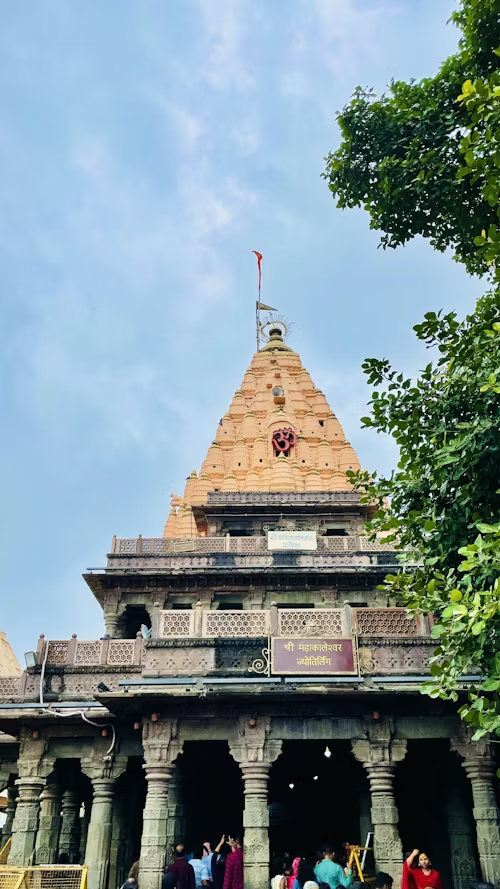
Mahakaleshwar Jyotirlinga, Ujjain: The Eternal Lord of Time and One of the Holiest Shiva Shrines in India
-
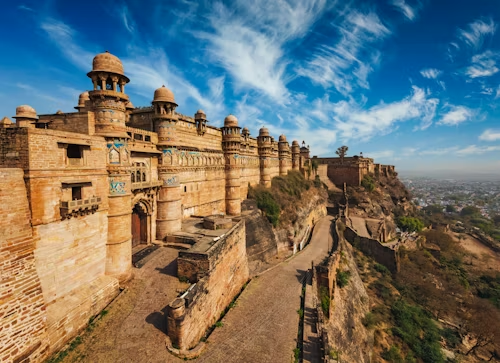
Gwalior Fort: The Majestic Crown of Central India’s History and Heritage
-
Khajuraho Temples: A Timeless UNESCO World Heritage Site of Art, Spirituality, and Sensuality
-
Chittorgarh Fort, Chittorgarh: The Eternal Symbol of Rajput Valor, Sacrifice, and Pride
-
Hawa Mahal, Jaipur: The Iconic Palace of Winds and the Soul of the Pink City
-
Jaisalmer Fort, Jaisalmer: The Golden Living Fort of the Thar Desert
-
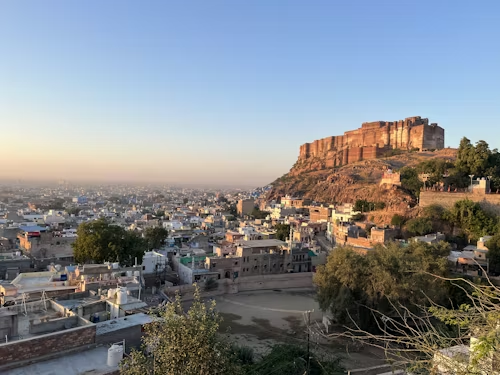
Mehrangarh Fort, Jodhpur: The Majestic Guardian of the Blue City
-
City Palace, Jaipur: The Timeless Heart of Rajasthan’s Royal Legacy
-
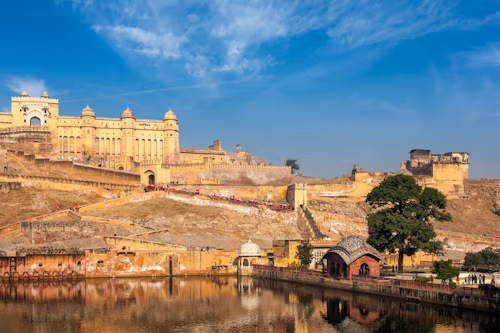
Amer Fort (Amber Palace), Jaipur: A Majestic Symbol of Rajasthan’s Royal Heritage
-
City Palace Udaipur Travel Tips for Families, Couples & Solo Travelers
-
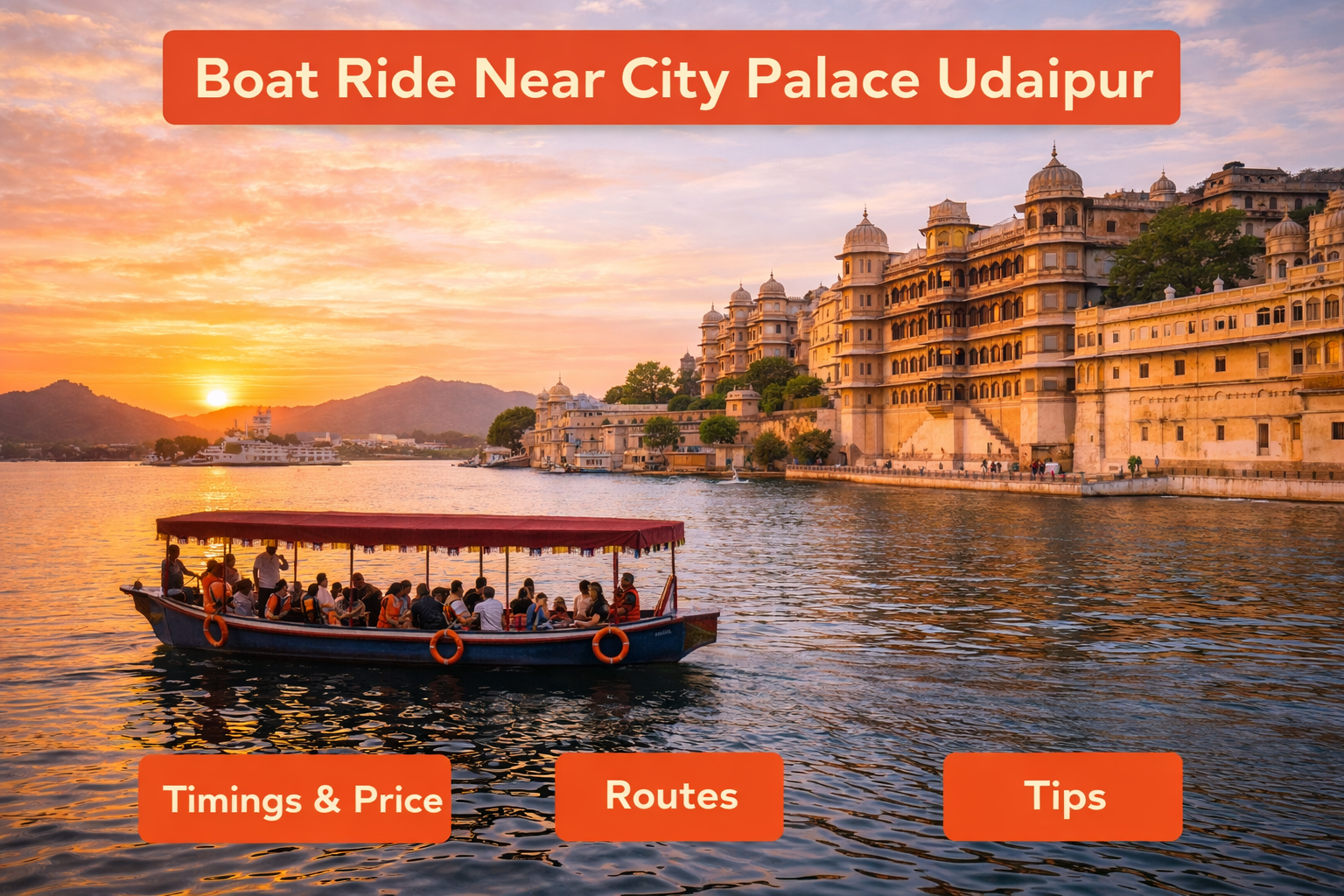
Boat Ride Near City Palace Udaipur: Timings, Price & Tips
-
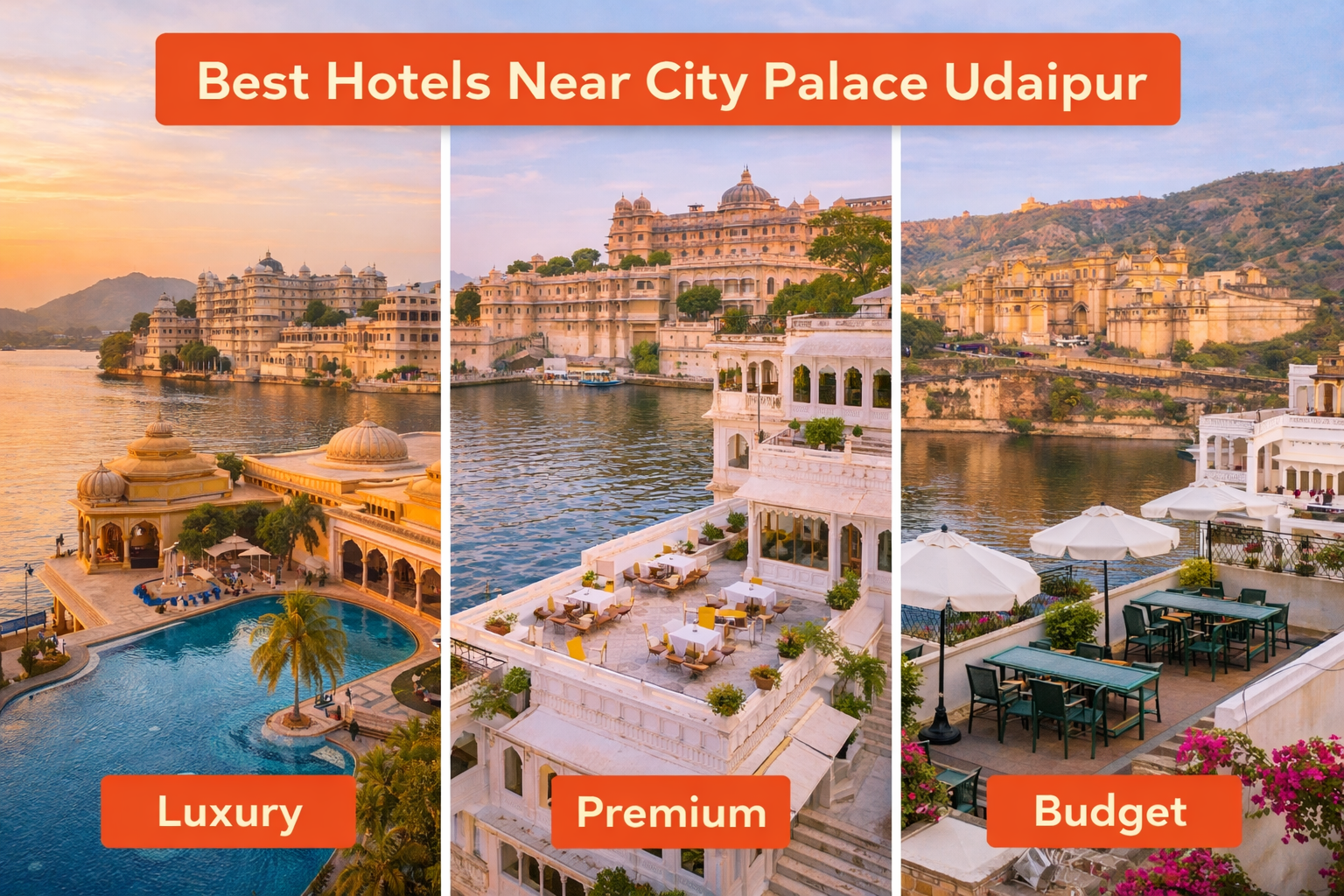
Best Hotels Near City Palace Udaipur for All Budgets (2026 Guide)
-
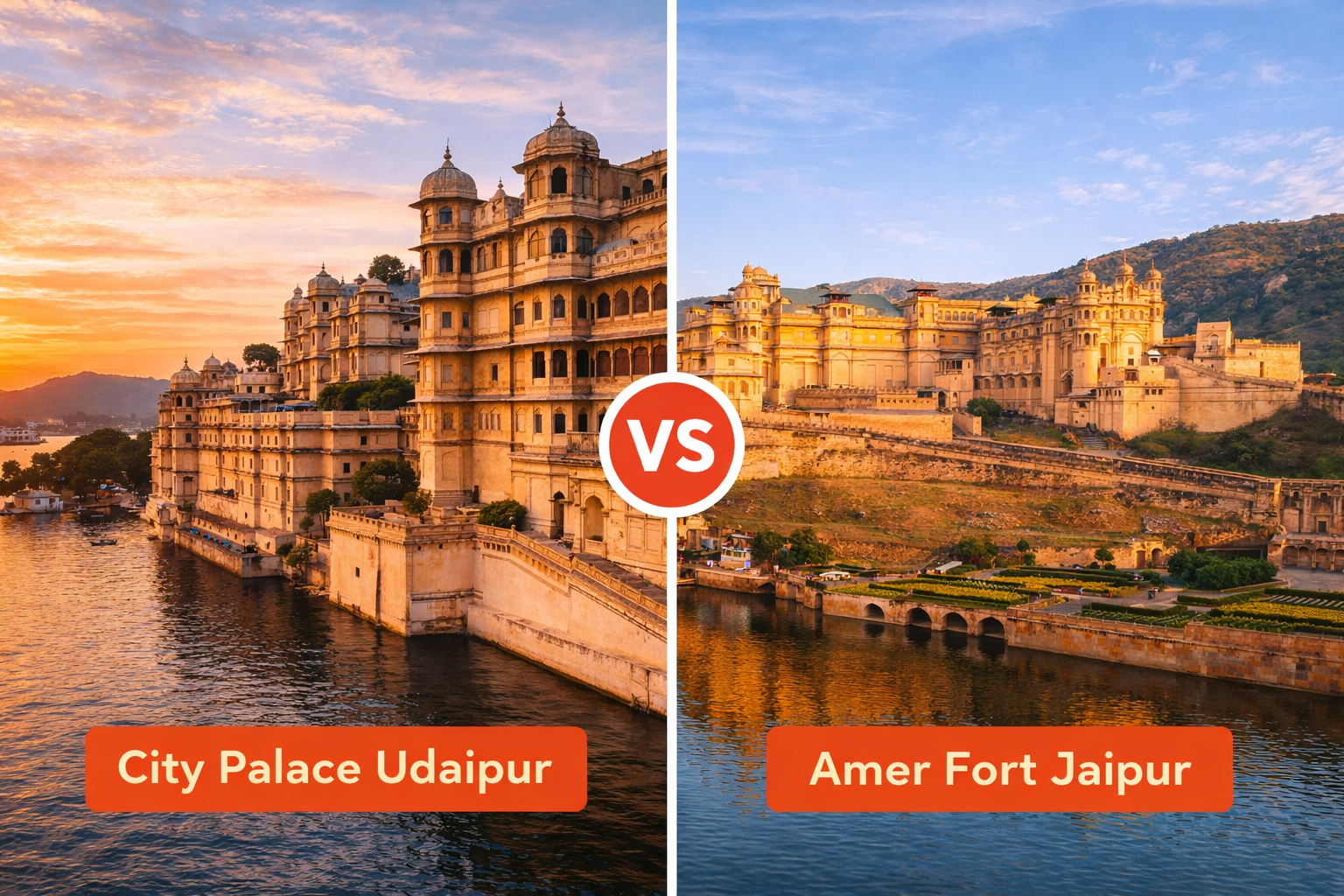
City Palace Udaipur or Amer Fort Jaipur: A Royal Comparison
-
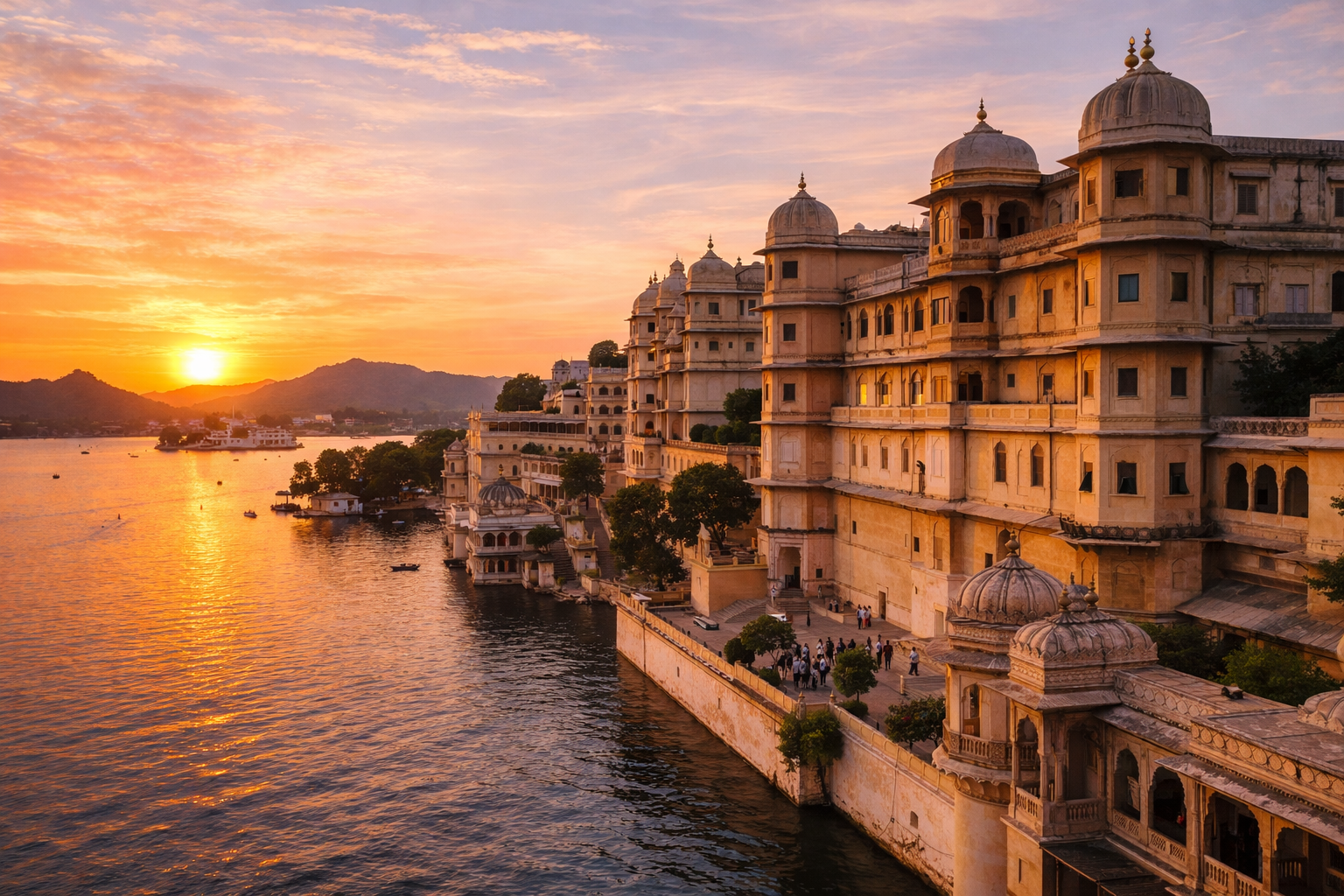
Best Time to Visit City Palace Udaipur for Photography & Sightseeing
-
City Palace Udaipur Location, Map & How to Reach Easily
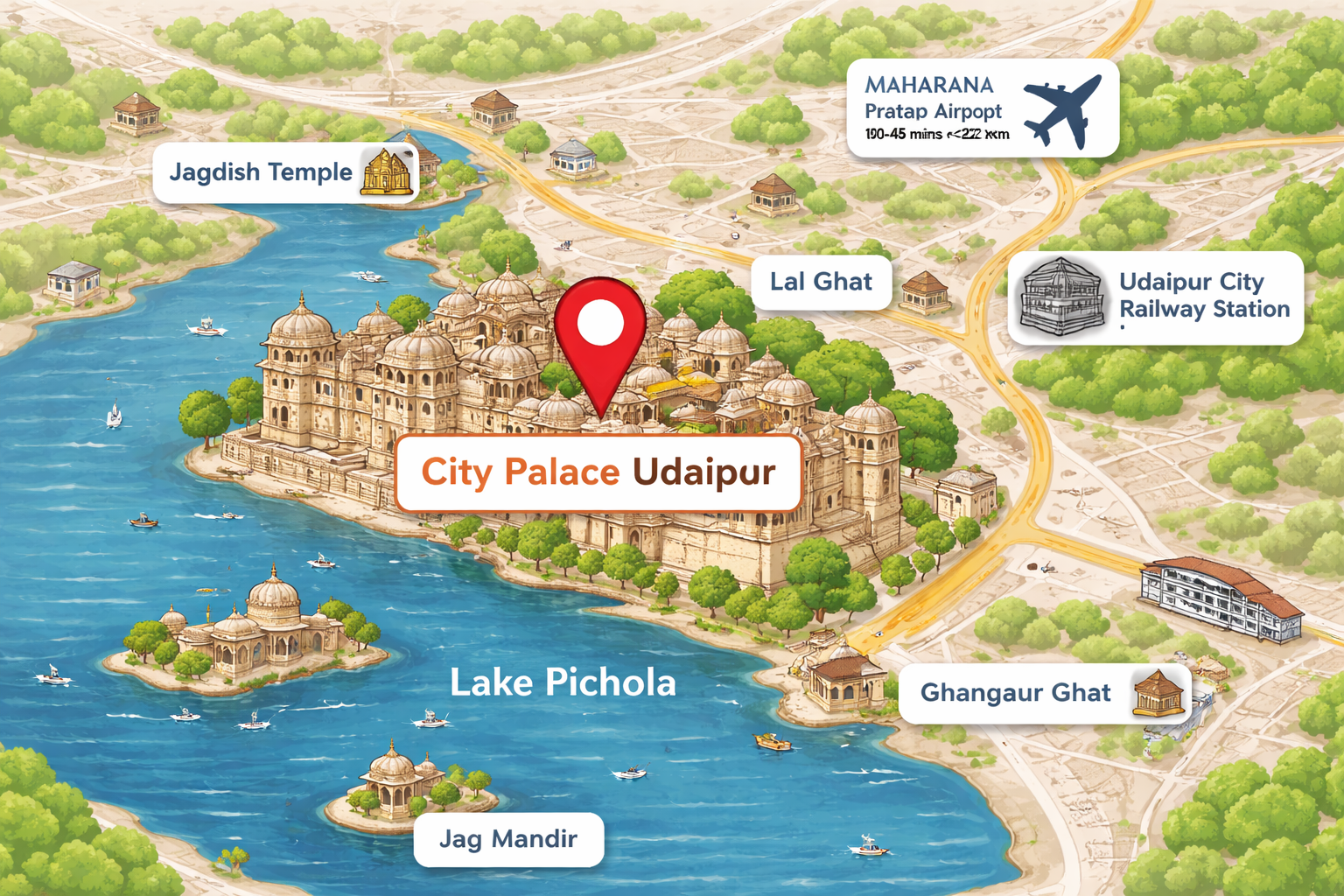
-
Why Rajasthan Is Called the Land of Royal Palaces: History, Culture, and Tourism Guide
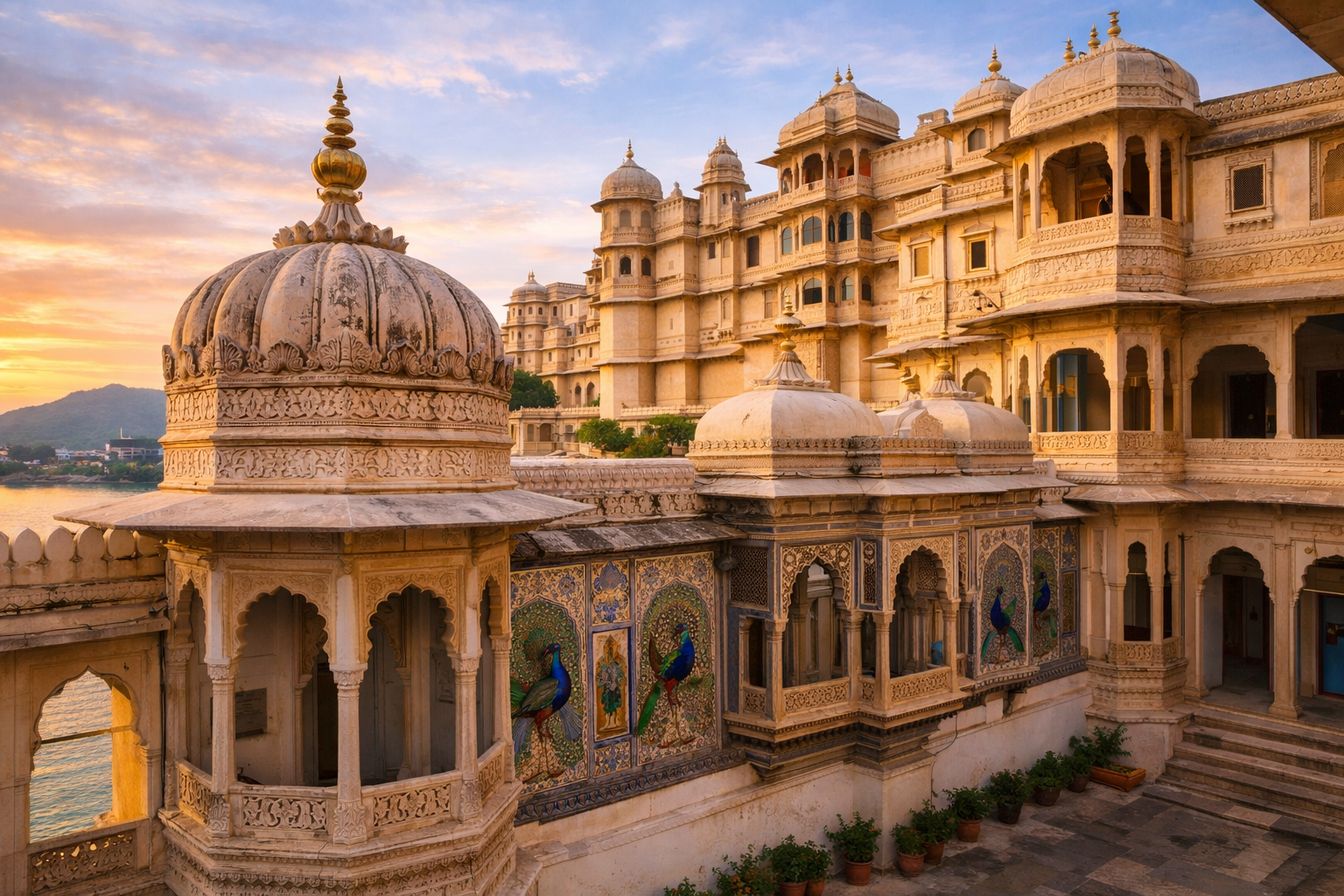
-
How to Plan a 2-Day Udaipur Palace Tour: Perfect Itinerary for First-Time Visitors
-
Top Heritage Palaces in Rajasthan That Reflect Royal Indian Culture
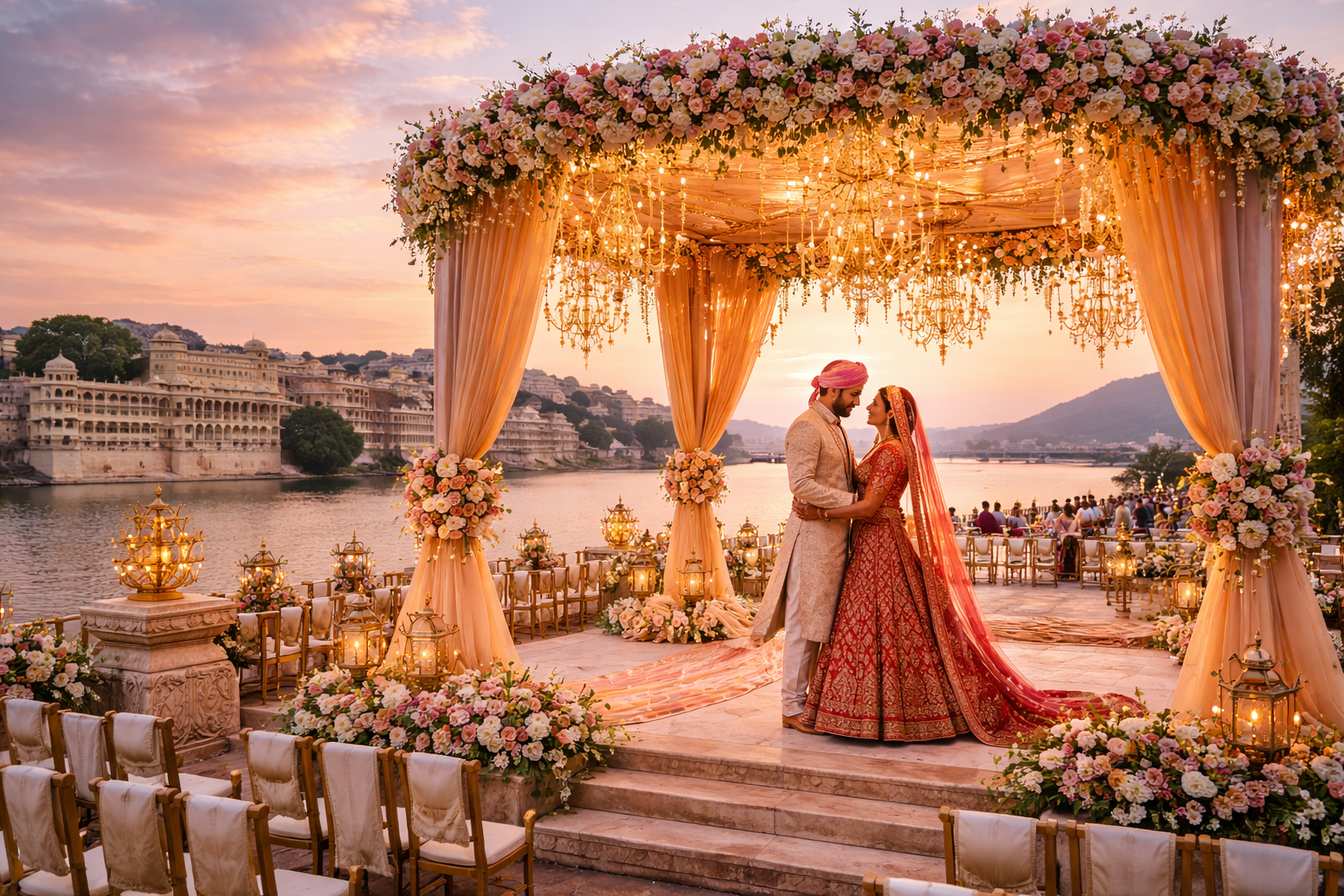
-
Famous Royal Palaces of Udaipur and Their Untold History
-
Complete Travel Guide to Udaipur: Palaces, Lakes, Food, Budget and Travel Tips
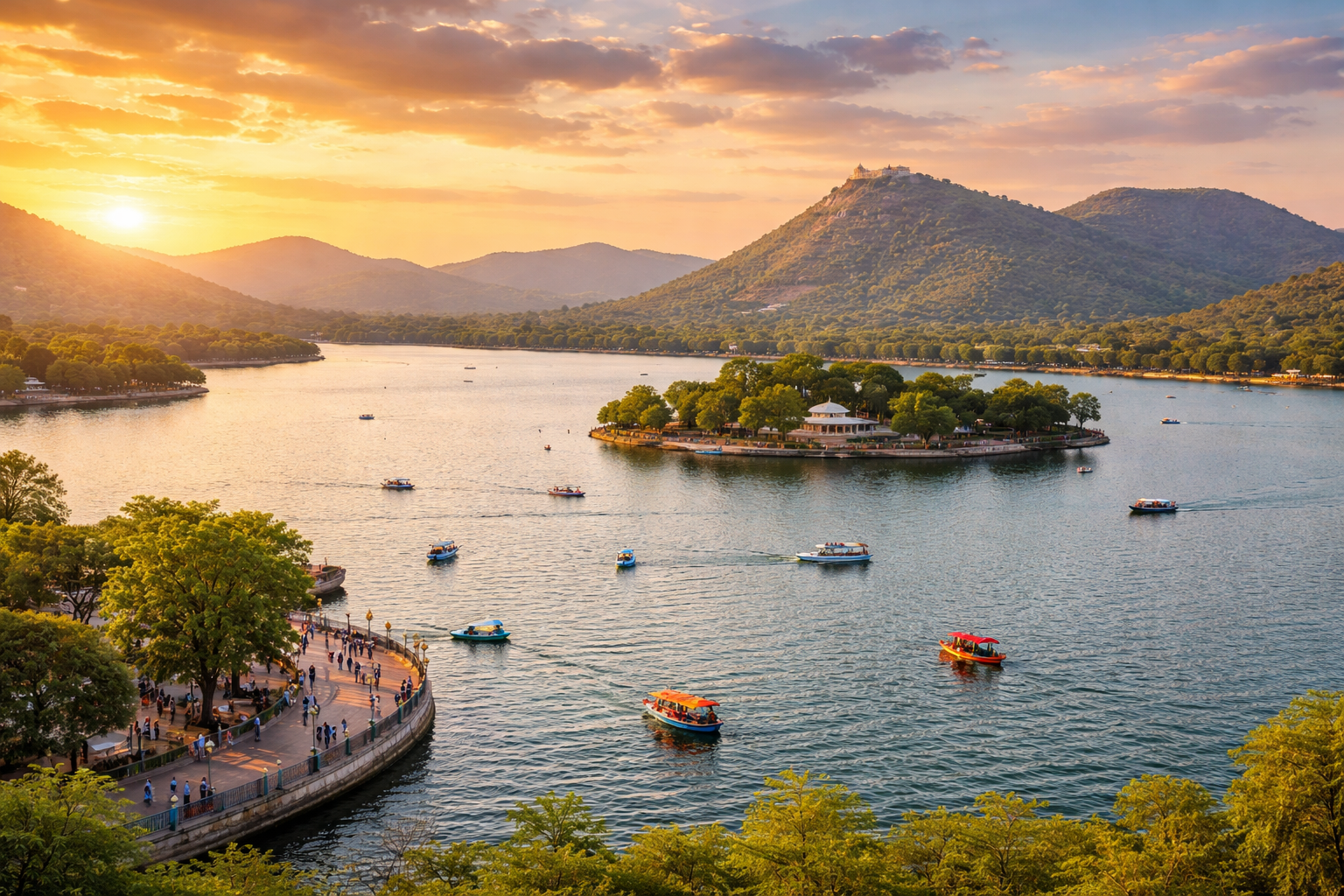
-
Best Time to Visit City Palace Udaipur: Weather, Crowd, Festivals and Travel Tips
-
Hidden Facts About City Palace Udaipur That Most Tourists Don’t Know
-
City Palace vs Lake Palace Udaipur: Which One Is Worth Visiting?
-
Maharana Pratap – The Legendary Rajput Warrior and Symbol of Courage
-
Top 10 Tourist Palaces in Rajasthan You Must Visit Once in Your Lifetime
-
City Palace Udaipur: Complete History, Architecture, Timings, Ticket Price and Travel Guide