City Palace Udaipur Architecture: Rajput & Mughal Design Explained


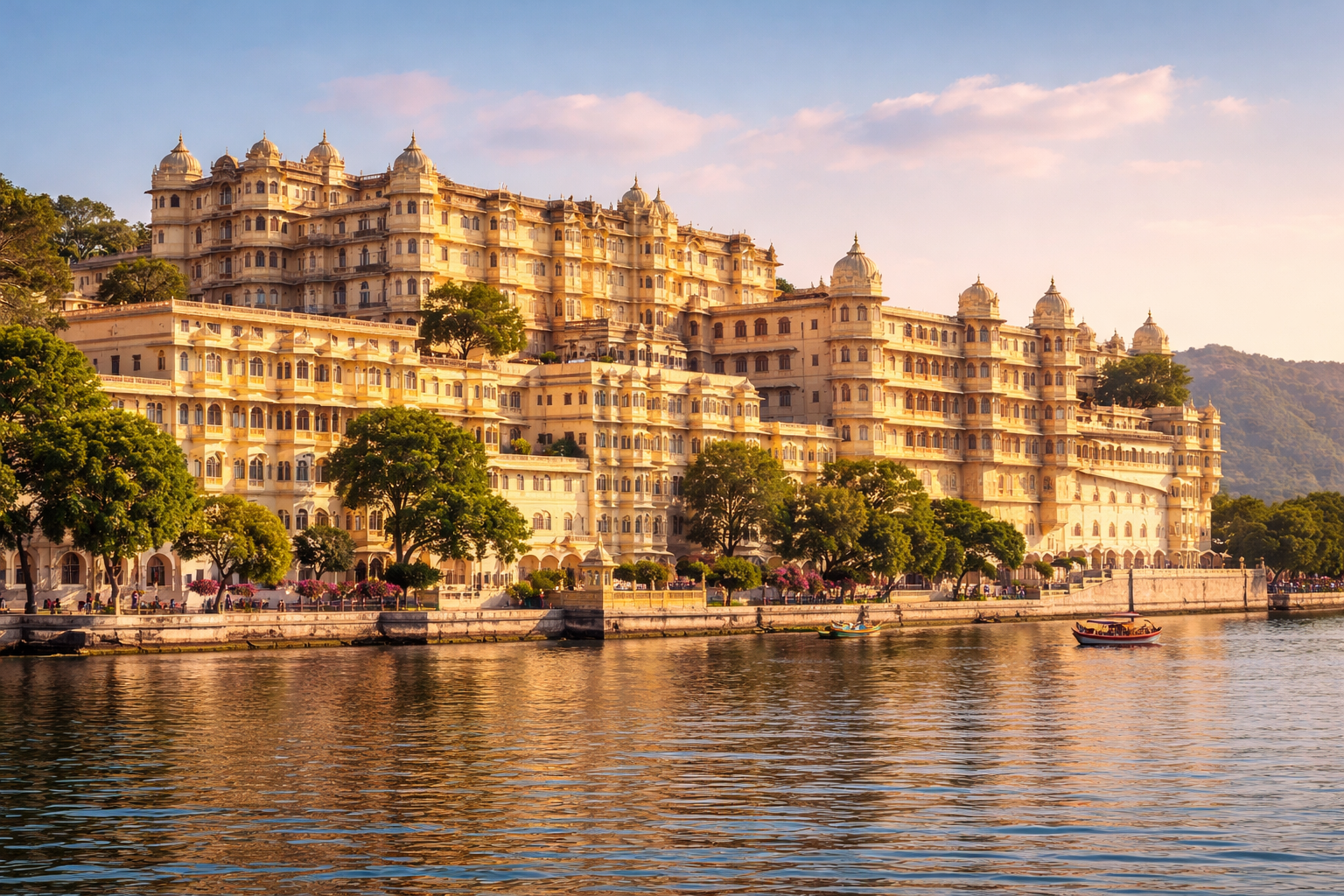
City Palace Udaipur architecture is a magnificent blend of Rajput strength and Mughal elegance. Built over nearly four centuries, the palace complex reflects the artistic vision of multiple rulers of the Mewar dynasty, making it one of the most architecturally rich palaces in India.

For travelers, historians, and architecture lovers, City Palace Udaipur offers a living lesson in how two powerful styles merged to create a timeless royal masterpiece.


Overview of City Palace Udaipur Architecture

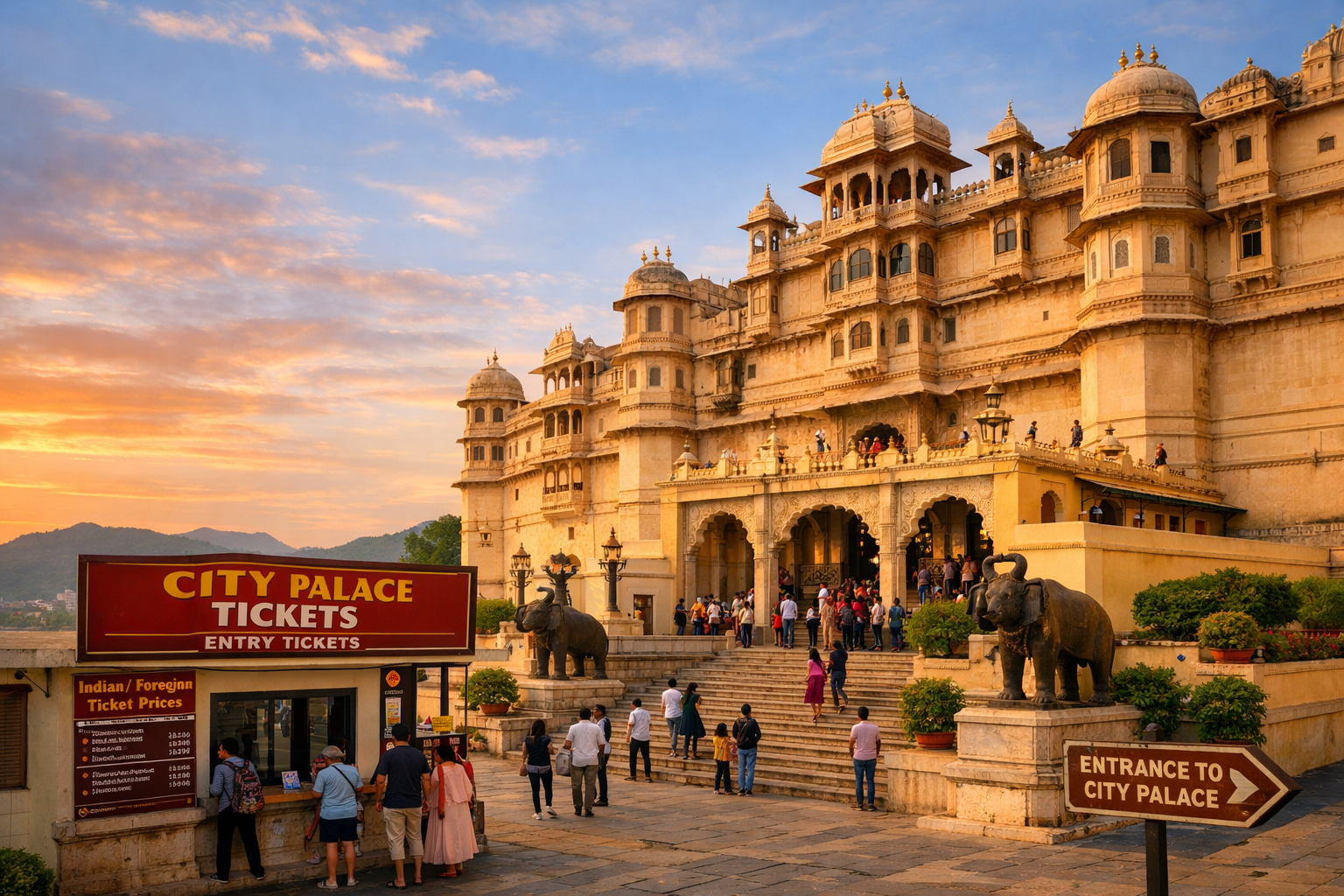
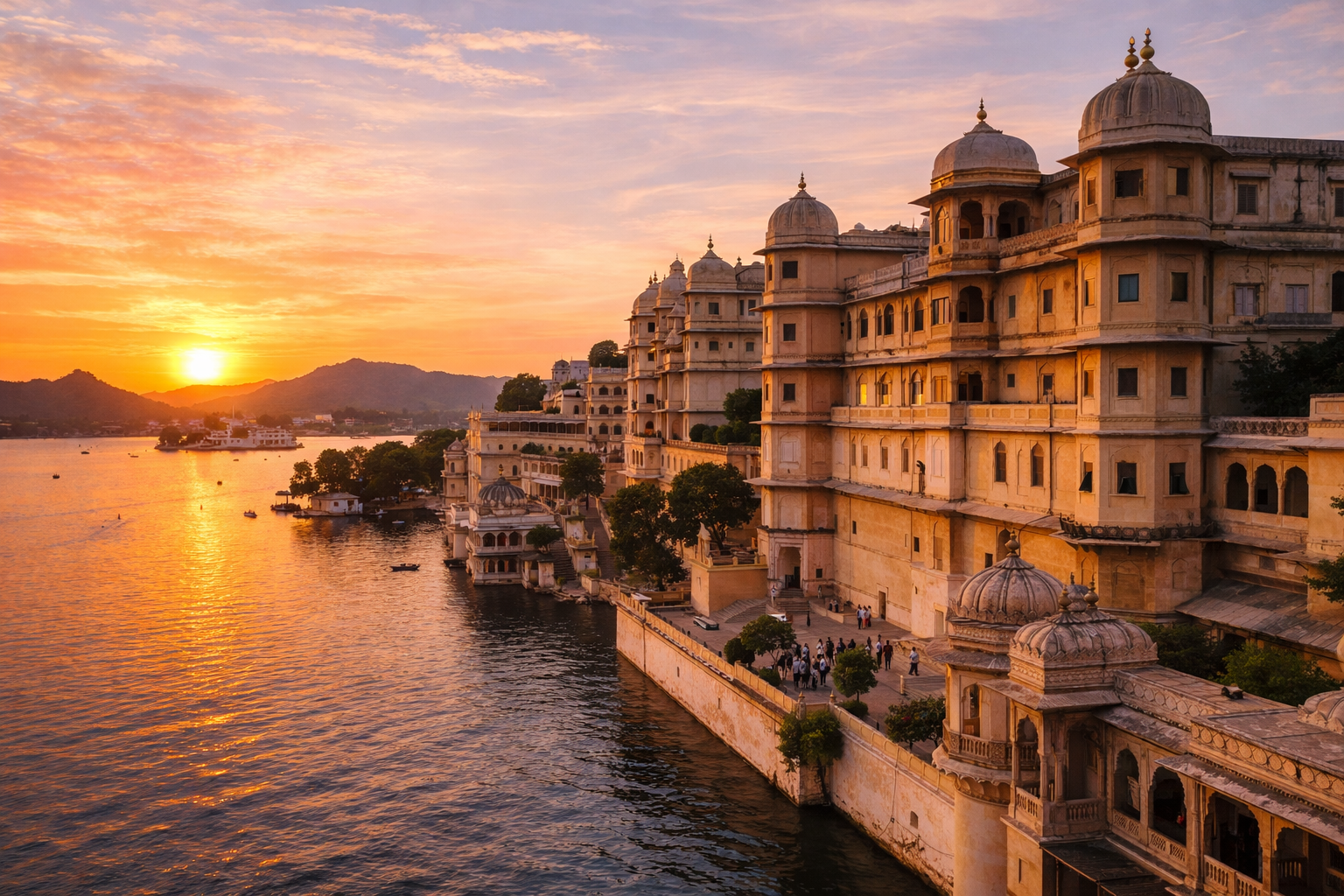
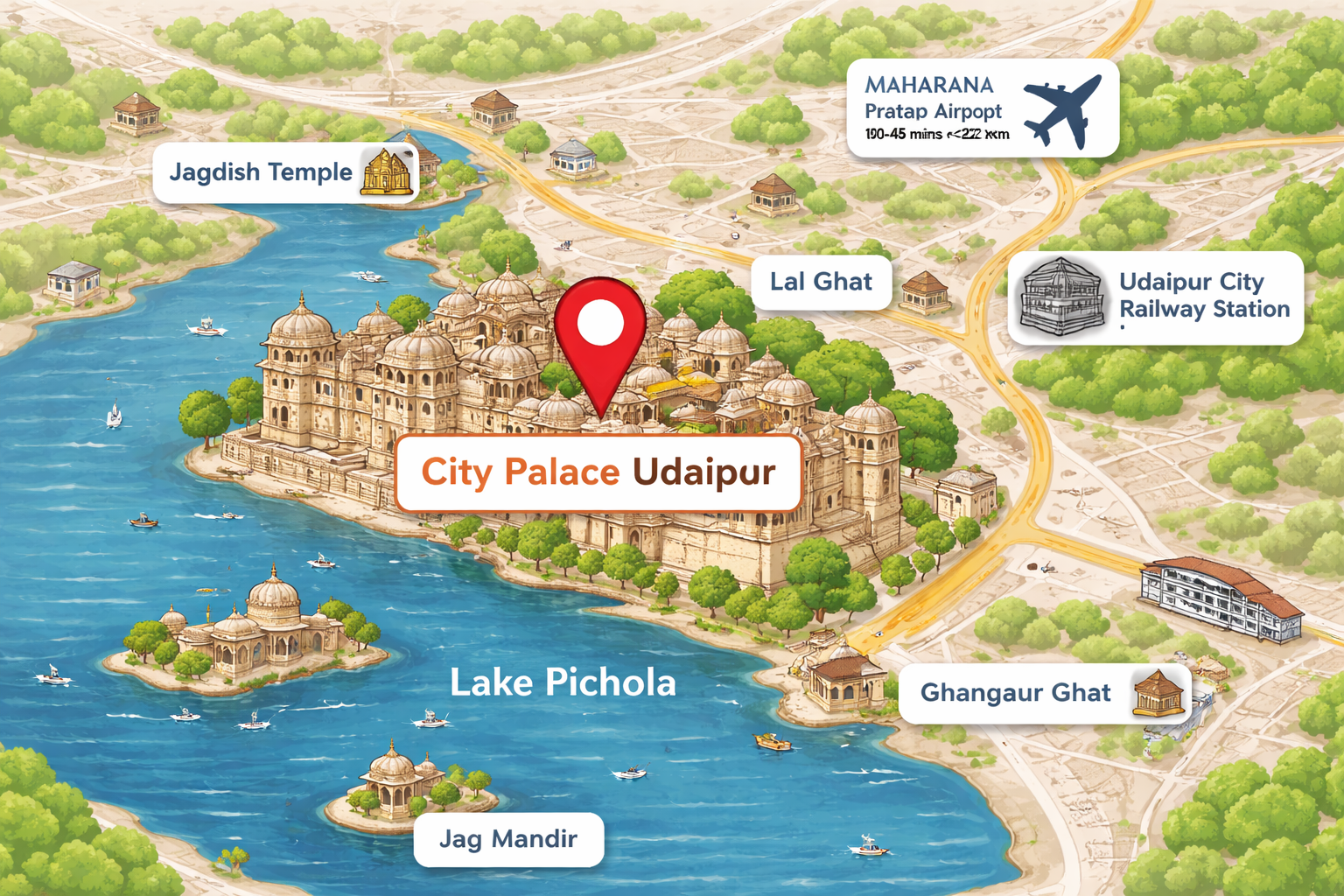
Located on the eastern banks of Lake Pichola, City Palace Udaipur is not a single building but a vast complex of interconnected palaces, courtyards, terraces, and towers.

The architecture primarily combines:

  • Rajput architecture – bold, defensive, and regal

  • Mughal architecture – refined, decorative, and symmetrical

This fusion makes City Palace Udaipur visually unique among Indian palaces.


Rajput Architectural Elements in City Palace Udaipur

Rajput architecture reflects strength, royalty, and a deep connection with local traditions.

Massive Stone Construction

City Palace is built using granite and marble, giving it a solid, fortress-like appearance. Thick walls and elevated platforms were designed for security and defense.

Jharokhas and Balconies

Projecting balconies known as jharokhas are a classic Rajput feature. These allowed royal family members to observe ceremonies and daily life without being seen.

Courtyards and Defensive Layout

The palace has multiple courtyards connected by narrow passages and gates, a common Rajput strategy for protection during invasions.

Chhatris and Domes

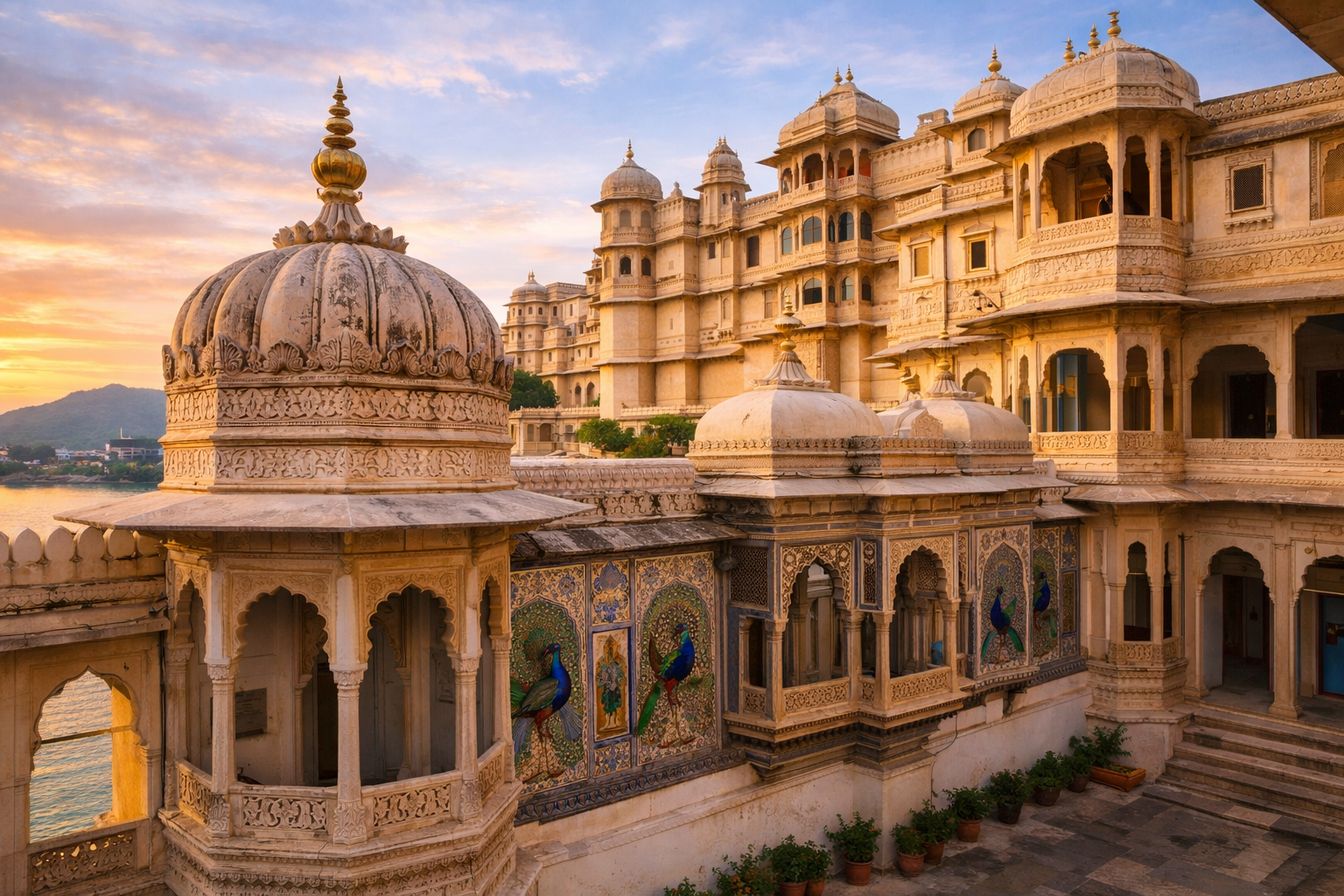
Elegant chhatris (canopied domes) crown many sections of the palace, symbolizing royal authority and architectural grandeur.


Mughal Architectural Influence in City Palace Udaipur

Mughal design brought sophistication, ornamentation, and balance to the palace.

Intricate Marble Work

Mughal artisans introduced delicate marble carvings, floral patterns, and fine inlay work that soften the palace’s robust Rajput structure.

Symmetry and Decorative Aesthetics

Unlike the defensive Rajput layout, Mughal architecture emphasizes symmetry, proportion, and visual harmony, visible in palace halls and galleries.

Sheesh Mahal (Mirror Work)

Mirror work and reflective surfaces, inspired by Mughal aesthetics, enhance light and create a sense of luxury inside the palace.

Arches and Pillared Halls

Graceful arches and beautifully carved pillars reflect Mughal craftsmanship and artistic detail.


Fusion of Rajput and Mughal Styles

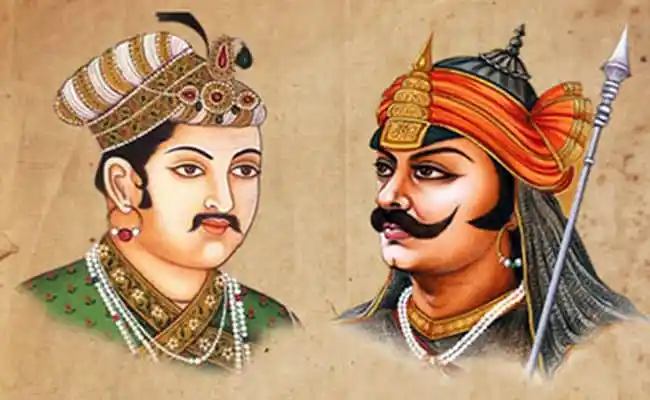
The true beauty of City Palace Udaipur architecture lies in how these two styles coexist seamlessly. Rajput rulers maintained their cultural identity while adopting Mughal artistic techniques, resulting in:

  • Strong outer structures with delicate interiors

  • Defensive layouts combined with decorative elegance

  • Traditional symbolism enhanced by fine artistry

This fusion represents political balance and cultural exchange rather than conflict.


Architectural Highlights Inside City Palace

Mor Chowk (Peacock Courtyard)

One of the most celebrated architectural spaces, Mor Chowk features mosaic peacocks made from glass tiles, representing the three seasons of Rajasthan.

Zenana Mahal

The women’s quarters showcase beautifully designed balconies, screened windows, and private courtyards.

Krishna Vilas Gallery

Known for its painted walls and artistic galleries that depict royal life and festivities.

Sheesh Mahal

A mirror palace that reflects Mughal-inspired luxury and craftsmanship.


Use of Natural Light and Ventilation

The palace was intelligently designed to suit Rajasthan’s climate:

  • High ceilings for air circulation

  • Courtyards for natural cooling

  • Jharokhas allowing light without direct heat

This sustainable design approach adds to the palace’s architectural brilliance.


Why City Palace Udaipur Architecture Is Unique

  • Built over 400 years by multiple rulers

  • Seamless blend of Rajput and Mughal styles

  • Strategic hilltop location with lake views

  • Perfect balance of defense, beauty, and comfort

Few palaces in India display such a harmonious architectural evolution.


Importance of City Palace Architecture Today

Today, City Palace Udaipur is not just a tourist attraction but an architectural heritage site that inspires designers, historians, and travelers from around the world. Its design continues to influence modern heritage hotels and palace-style architecture in Rajasthan.


Conclusion

City Palace Udaipur architecture stands as a powerful symbol of royal vision, cultural fusion, and artistic excellence. The combination of Rajput strength and Mughal elegance creates a palace that is both majestic and refined. For anyone interested in Indian architecture, this palace is a masterpiece that must be explored and admired.